film

Review: John Wick Chapter 3: Parabellum

Warning: Spoilers for “Chapter 2”, but not “Chapter 3”

Written by Derek Kolstad, Chris Collins, Marc Abrams, and Shay Hatten and directed by Chad Stahelski “John Wick Chapter 3: Parabellum” is the third entry in the John Wick series which finds the titular Wick (Keanu Reeves) right where we left him at the end of the last film; which is to say, running for his life with his dog at his side. For those needing a refresher, the second film established the world only hinted at in the first film, wherein there are rules for the initiated- and those rules are taken with a deadly seriousness. The first rule, is that you may not conduct “business” on continental grounds. The Continental, being the internationally recognized hotel for assassins. The second rule is that once bound to a marker, you must oblige the bearer of any request they make. Markers are circular discs that open to two halves, one side is red with the blood of the needing, and the other is only imprinted with the blood of the subservient once the request has been completed. Once you ask someone for help with a marker, and they accept, you must know that you will have to repay them eventually. “Chapter 2” establishes the severity of not adhering to the will of a bearer with a marker binding you to them. Wick is forced into assisting a bearer in “Chapter 2” and seeks retribution once the task is completed- but kills the bearer on continental grounds and thus labeled Excommunicado with a heavy bounty placed on his head, though the Continental’s manager Winston (Ian McShane) gives Wick a one hour grace period before the contract is open to all known assassins.
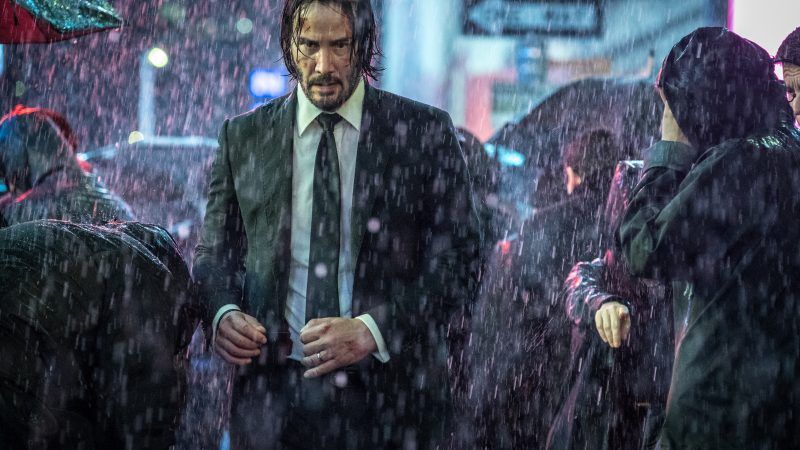
You can’t see the dog from the last film here, but trust me, he’s there.

With a $14 Million price tag on his head, Wick scrambles to make it out of the city, but also by getting his dog to the continental where he knows they will take care of him. The first twenty minutes of this film have some of the most inventive and rollicking great action sequences since “The Raid: Redemption” took the action genre by storm eight years ago. Speaking of that film, there are a handful of actors that make the jump to this series for a few particularly formidable foes that Wick must tango with. In fact, one of the best aspects of this film, aside from the crazy-violent and gut-wrenching action scenes, are the multitude of cameos from a variety of sources. The first fight in the film is between Wick and “Ernest”, the 7 ft 3 in tall assassin played by Serbian NBA player Boban Marjanovic, in the New York Public Library. It’s an excellent fight to kick the movie off, it may have been a little short, but wow- I didn’t know you could do THAT to someone with a book! We also get cameos from Jerome Flynn (famously played Bronn in Game of Thrones) and Jason Mantzoukas (He played Rafi from “The League”) as one of the many homeless citizens in league [ba dum tss- I’ll see myself out] with The Bowery King once again played magnanimously by Laurence Fishburne. Of course I’d be negligent in my reviewing duties if I forgot to mention Tiger Hu Chen. Not only has he previously starred as the lead in the only film that Keanu’s directed himself in “Man of Tai Chi” (check it out, it’s fun!) but he also has the goriest death in this film, in my humble opinion.

As with the previous two films, the action in this series is increasingly inventive. If you’ve ever read or seen an interview with the director, Chad Stahelski, you’ll see that he has a deep love of the action genre and cinema as a whole. In both “Chapter 2” and this film the opening scenes pay respect to Buster Keaton in homage to his legendary stunt work in the 1920’s, by playing his work projected on the side of a building and on one of the many large screens in Times Square. Stahelski has thrown in a multitude of nods and winks to cinema’s past and many eagle-eyed, and knowledgeable, fans will catch them. A particularly fun one is when Wick breaks into an old antique gun shop and has to modify two guns into one quickly enough to get one shot off as his pursuers break the door down. The director himself has stated that that shot was a direct callback to “The Good, The Bad, and The Ugly” with Eli Wallach, putting a pistol together in the gun shop.

While the plot in films like these isn’t always the primary concern, this series knocks that notion off it’s feet by continually expanding on the lore and mythology behind the assassin’s organization by examining how it works, it’s many hidden layers, and who controls whom. I don’t want to get into too many spoilers since the film’s still in its opening week, but admittedly, this one does a great job at giving us morsels of information, like John Wick’s real name for example, and some understanding of where he came from and how he was molded into The Baba Yaga.

This is another excellent entry in the franchise and personally I had a great time with it! The action was superb, satisfying, and mystifying! The cast was well rounded and precise given the runtime, no one felt wasted! However the very best news that this film could give, was that there’s even more Baba Yaga to come! The fourth film has already been greenlit and given a May 2021 release date according to several movie news outlets, and nothing could have made this action fan happier to hear!

Final Score: 7 cuts!

*Here’s a fun interview with the director on the stunt work in the film (though it does contain spoilers!):
https://www.polygon.com/entertainment/2019/5/18/18627988/john-wick-3-fight-scenes-how-they-did-horse-dog-shootout-continental-breakdown

film

Old School Review: “Floating Weeds” (1959)

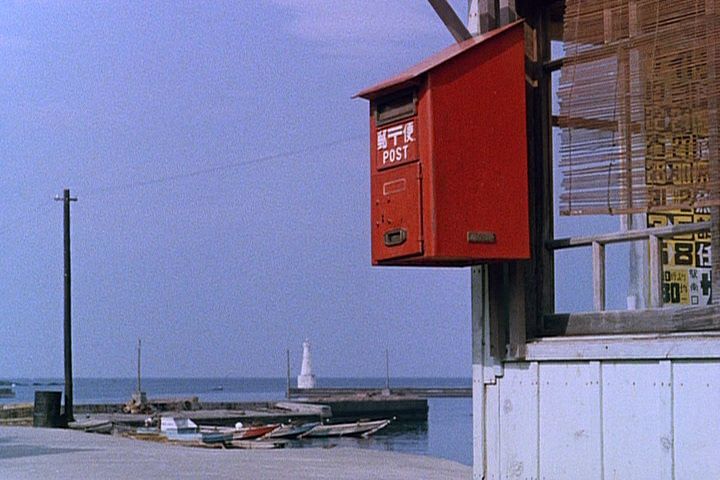
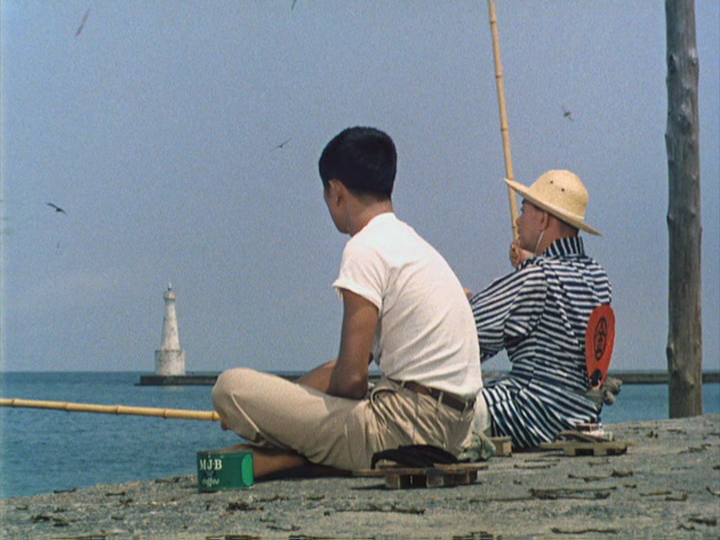
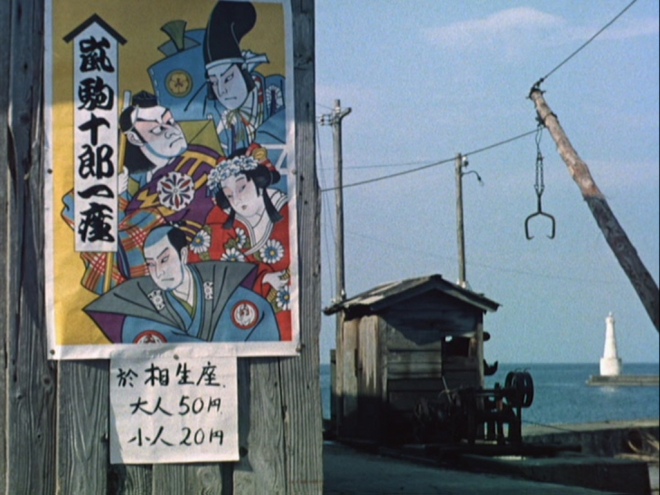
Written by Kôgo Noda and Yasujirô Ozu and directed by Ozu, “Floating Weeds” is a remake of Ozu’s own black-and-white silent film “A Story of Floating Weeds” made in 1934. This film follows a traveling troupe of actors performing Kabuki theatre around the provinces (“floating weeds” is a Japanese term for itinerent actors). In the opening we’re introduced to the sleepy fishing village that will house the story to come as a few random dock workers muse about the heat of the day and the novelty of the incoming troupe. The troupe arrives by boat and parades into town handing out flyers and talking up the locals as they make their way towards their new temporary home while in town, the theatre. While there are some delightful and fun side stories with several members of the theatre crew, the plot’s main focus is on Komajuro Arashi (Ganjirô Nakamura) the leader of the operation, and lead actor. After settling in Komajuro heads off to a Saki bar run by Oyoshi (Haruko Sugimura, his former mistress) to visit and go fishing with Kiyoshi (Hiroshi Kawaguchi) their grown son who is unaware of his true father’s identity, knowing Komajuro only as “Uncle”.

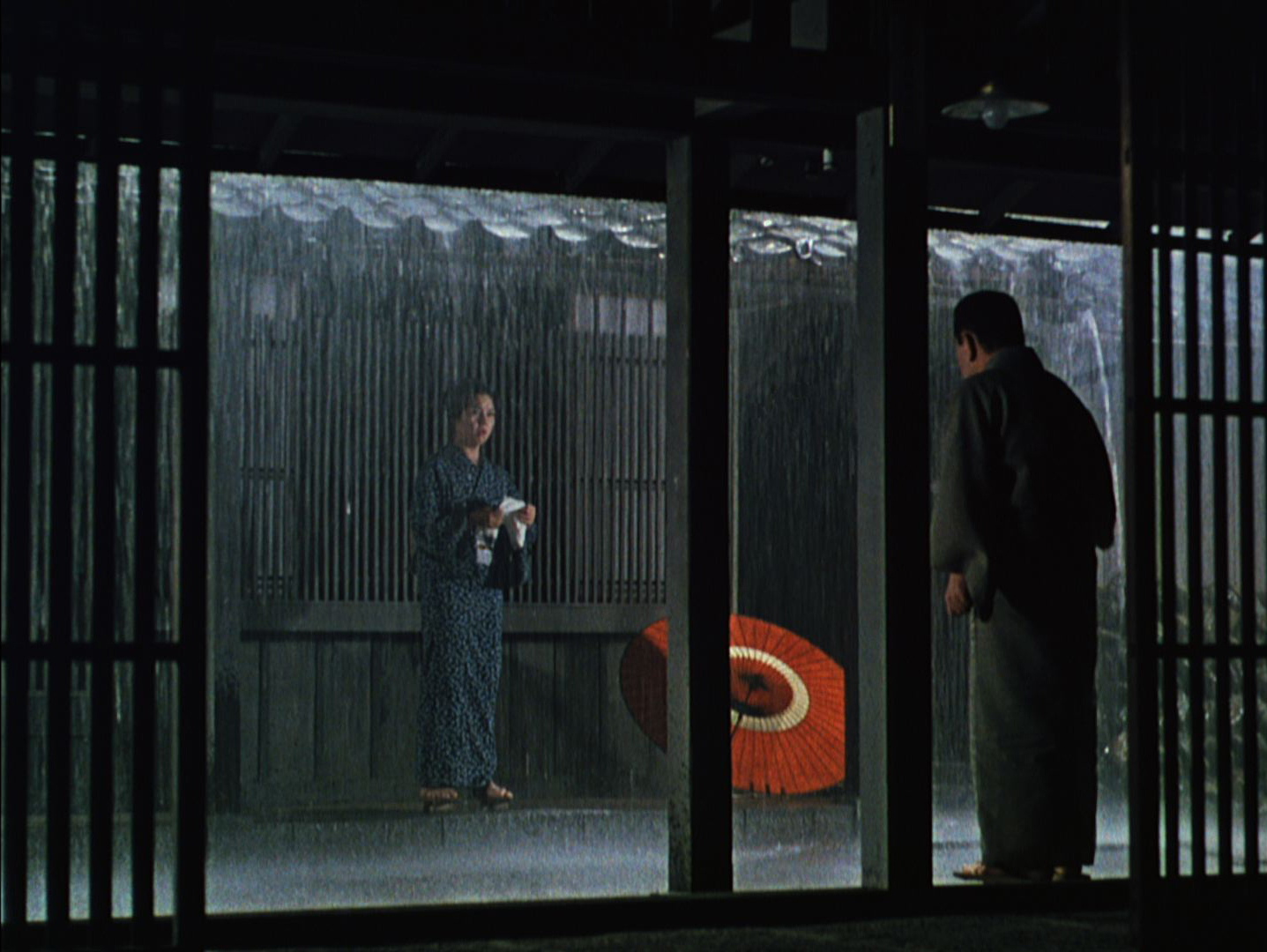
As you might guess, it isn’t long until Sumiko learns of Komajuro’s ulterior motives in choosing this town for their next round of performances. Which doesn’t go well for Komajuro, as Sumiko’s the jealous type. After she discovers this affront and sees Oyoshi in attendance at one of their shows, she goes to Oyoshi’s Saki bar and aggressively confronts her when she catches Komajuro there playing Go with Kiyoshi one afternoon. Despite Komajuro’s shock and dismay at Sumiko’s transgression he bans her from the Saki bar and breaks it off with her in a powerful argument in the rain. Later on Sumiko offers one of the younger actresses some side money to go and seduce Kiyoshi at his job. While reluctant at first Kayo (Ayako Wakao) eventually accepts without knowing Sumiko’s reasoning for the request. Despite the origins of their relationship, Kiyoshi and Kayo end up falling in love. Shortly after this development Komajuro stumbles upon the two embracing in an alley and finds himself in a conundrum- how can he exercise his authority over Kiyoshi without revealing his true identity to him?

Komajuro had high hopes for his son, Kiyoshi had been saving for college and had plans to support his mother when he could. Before Komajuro can sort out the situation though, Kiyoshi and Kayo elope just as the theatre troupe had begun to fall apart. The financial manager absconded with their funds and several members considered leaving before they become too desperate. Dwindling crowds paired with mismanagement spelled the beginning of the end for the troupe. Eventually Kiyoshi and Kayo head back to town at Kayo’s pressuring- but Kiyoshi and Komajuro clash at the Saki bar when Oyoshi reveals Kiyoshi’s true parentage in an attempt to diffuse the scuffle. Kiyoshi discards Komajuro and leaves in a huff while Komajuro sits in amazement at the series of baffling failures set at his feet. He decides to move on after a cheerful long goodbye to the troupe, ironically riding out of town on a train with Sumiko tending to him- begrudgingly accepting his enemy’s re-established loyalty.

Ozu’s works, of the two I’ve seen so far, have this unique serenity to them. Maybe it’s the leisurely pace, the shots of gentle locations giving the world of his stories a sense of the oft quoted “lived-in” space, or simply that the content of his films are universal to the modern human experience. His films evoke a powerful catharsis felt just as strongly sixty years later. Obviously, not every film will work for every person, but I’m willing to bet that if you gave any of his films a chance you might find yourself quizzically enraptured not just by the drama of common themes across his filmography, but also by the meditative cinematography of his infamous “pillow shots” that melt in-between scenes asking you to pause and digest, relax and breathe. There is something powerful in his depiction of the joy, sadness, humor, and tragedy of everyday life that makes his characters seem familiar and his plots reminiscent of truth.

It wouldn’t be an Ozu film (as I’ve come to notice in my intense search for information on the filmmaker) without a particularly precise composition for every shot in his films. Ozu would typically put the composition of his frame above all else, ignoring the continuity of props and eye-lines for the purity of his images. Which is doubly true for his foray into color filmmaking near the end of his career. His warm pastel coloration for “Floating Weeds” adds another layer of texture to the small seaside village the story takes place in. Between the visible mugginess of the hot summer and the cleansing, humidifying, rain that comes at night and in-between heated arguments, there is a unifying sense of place not only with the “pillow shots” of nature and architecture but in all variables of the filmmaking process. Particularly pleasing was the soundtrack, evocative of popular video game scores (which were probably inspired by films such as this) like “The Legend of Zelda: Wind Waker” and “Animal Crossing”, it was perfectly set for a small seaside village in the heat of summer. I doubt there could have been a more perfect fit than what we got. The recurring theme gave way to the notion of music belonging to a particular place in its essence, these melodies molded to fit this time and this place. All of these things combine to craft a beautiful and atmospheric stage for Ozu’s story to play out, and it does so with a grace and humility like no other.

While maybe not quite as emotionally impactful as “Tokyo Story”, Ozu’s remake here is a more diverse picture in terms of emotional balance. This is purely my commentary and I can only speak to my experience with the film, but this film held a greater variety of emotional resonance. I was legitimately shocked when Sumiko directly confronted Oyoshi in her Saki bar. The following heated debate in the rain between Sumiko and Komajuro was incendiary and raw. The anger, regret, shock, and disgust thrown at each other was palpable and moving. While earlier, in less fierce scenes, I was tickled by the three bachelors of the troupe and their antics in trying to pair up with the women of the town. This film is a rarity among cinema, as was Ozu himself, and it’s worth your while to experience something new in the pantheon of film, even though this film is sixty years old- it’s still a charming story with universal and relatable characters and themes. Give it a shot!

Final Score: 3 bachelors, 1 lead actor, and 2 mistresses

film

Review Catch-Up: The Old Man and The Gun

Written and directed by David Lowery, “The Old Man and The Gun” is a charming story about a gentleman bank robber, and a fitting tale for the (supposed) last starring role of one of Hollywood’s most prolific leading men, Robert Redford. His last leading character is a gentle nod to a bygone era of Hollywood and one whose antics are slyly showcased as a metaphor for Redford’s career as a whole. He portrays Forrest Tucker, a serial bank robber (and masterful prison escape artist) who never seems drawn to violence or malcontent, he simply and purely loves what he does, and he keeps getting away with it. Redford must feel some brotherly connection to a man that loves a good challenge, maybe someone that isn’t always successful, but when he is, his presentation and delivery is so pitch perfect that everyone forgets any missteps and becomes infatuated with his rapscallion ways.

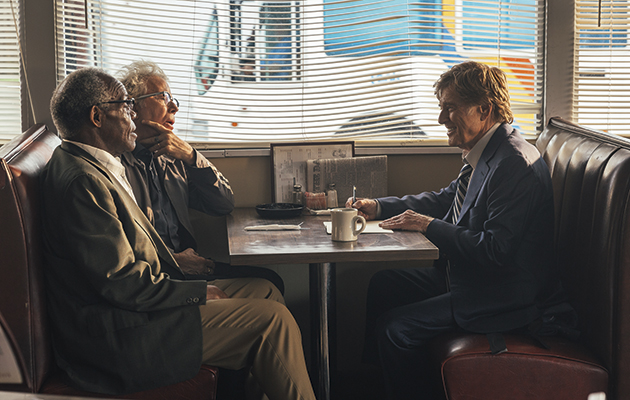
This feel good crime caper may not be the most engaging or explosive film based on “mostly true events” involving armed robberies- but it certainly delivers, and that’s based almost entirely on Redford’s legendary charisma. Beyond Redford though, the rest of the cast solidifies the film and assist in adhering to the carefree and calm attitude towards crime, and its repercussions. Rounding out the “Over-The-Hill Gang” are Danny Glover as Teddy and Tom Waits as Waller. They may not have a lot of screen time devoted to their characters, but they get a couple scenes earlier in the film, including one that got a good chuckle out of me when Waller describes his former home life growing up, and how it led to him hating Christmas. Casey Affleck, working again with Lowery after “A Ghost Story”, plays the muted and grizzled cop John Hunt, who determinedly follows Tucker’s trail. Hunt’s peers and those in the media seem to only be bemused by the “Over-The-Hill-Gang”, as Hunt pointedly remarks to those recalling Tucker’s gentlemanly antics, “Nothing’s funnier than armed robbery, right?”

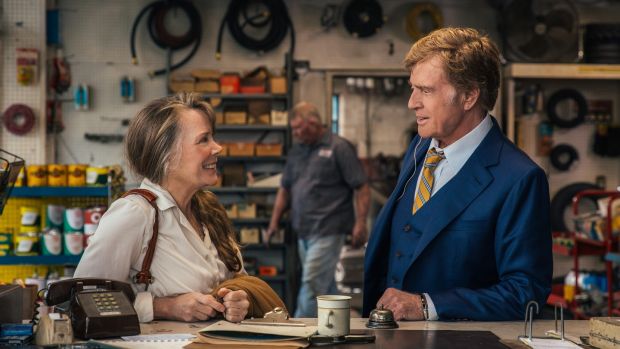
Though I’d be remiss not to include Sissy Spacek as Jewel. Spacek herself is another ace actor from cinema’s silver age, and her scenes with Robert Redford imbue Jewel with heart and tenderness that only she could bring to the character. Which is needed given that she falls for a charming old bank robber all the while knowing of his dastardly dapper indulgences. Jewel’s a simple woman that owns a picturesque ranch with a few horses, one of whom Tucker finally decides to ride (it was on his bucket list) after a thrilling car chase evading dozens of cop cars.

This is a small charming film that embodies that nostalgic American notion of the gentleman bandit, a man that is to be respected and feared equally. The film’s warm pastel hues and hypnotic, suave, and melancholy soundtrack accompanying it, pair to make a grand farewell for Redford, and it’s one that I wholeheartedly recommend.

Final Score: 5 banks in one day

film

Review: Avenger’s Endgame

*WARNING* There will be SPOILERS in this review, you have been warned!

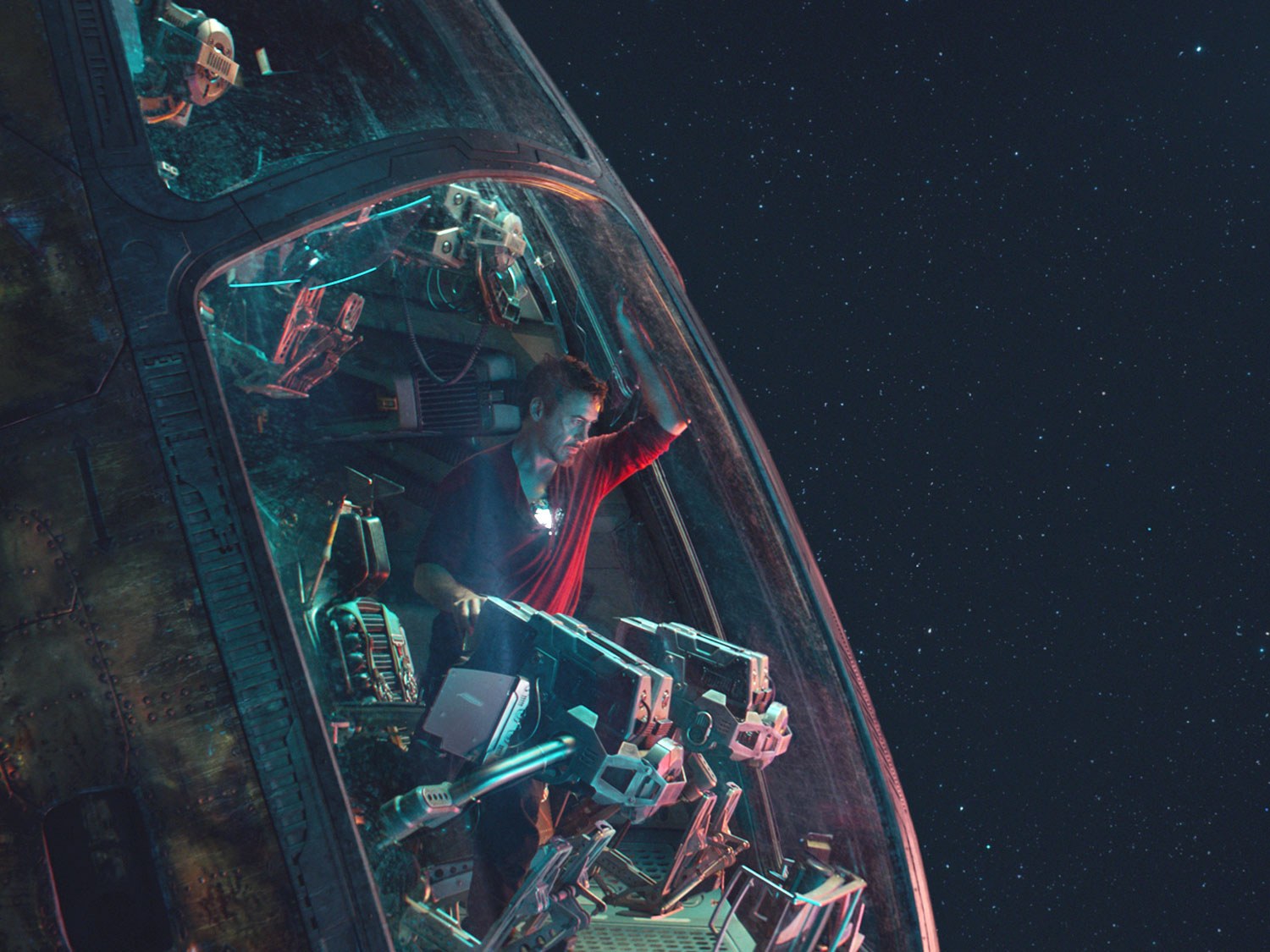
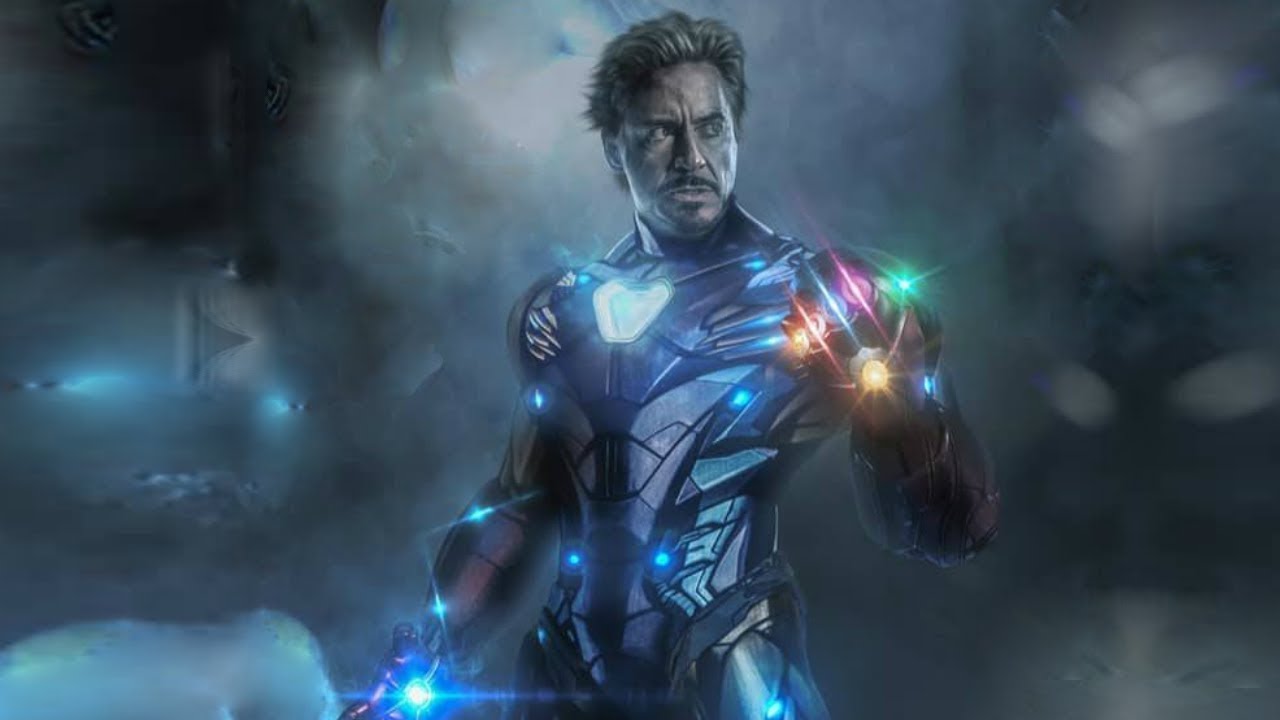
Written by Christopher Markus and Stephen McFeely and directed by Joe and Anthony Russo, “Avengers: Endgame” is the culmination of Marvel’s ambitious 22 movie spanning Infinity Saga. A year after the Superhero grand slam that was “Infinity War”, Endgame picks up the pieces leftover from Thanos’ successful snap that rendered half of the life in the universe to dust. This film had to do the impossible, the insane, and the unimaginable after the events preceding it- and what we got was one of the most satisfying possibilities in the Multiverse! The first act wisely wades in the desperation and defeat that has rattled our surviving heroes. Each of the core six original Avengers process this in widely unique choices over the course of the five year time jump after the opening sequence. Black Widow organizes what remains of the Avengers Headquarters, getting reports from the cosmic and international heroes as time marches ever onward. She appears rattled and broken, focusing on what can be done in the wake of universal tragedy. Captain America leads a support group in New York City and is still an optimist at his core- even if he appears weary from his wars. Thor has created a “New Asgard” in Scotland with the remaining survivors of his people, though his own personal journey has turned into one of substance abuse and depression (also a beer-gut and fortnite with Korg and Meek). Hawkeye, whose family’s snap into dust opens the movie, has become a vigilante that mercilessly hunts down gangs and henchmen around the world. Without a family, Barton has turned full-on Frank Castle with a katana. Bruce Banner, ironically, has found peace by seeing the Hulk not as a problem he has to cure, but as the cure to his curse. Merging with the Hulk Banner has become “Professor Hulk”, combining brain and brawn to become a new, and subsequently more chill, being. Which leads me to the Avenger that started this whole damn thing, Tony Stark. After returning to Earth with a little help from Captain Marvel, Tony has a heated argument with Steve and abruptly leaves the Avengers battered and bitter. He ends up moving to a cabin on a lake with Pepper, together there they bore a daughter, Morgan Stark.

Above all else that these films have managed to accomplish, beyond the meshing of characters and stylistic flavors of genre-bending storytelling, is their masterful focus on characterization and development. Even when the plot hasn’t been as engaging (Thor 2: The Dark World) or when expectations didn’t exactly live up to the hype (Iron Man 3) the characters have always shined through the worst of it. Phase 1 was all about establishing the grand concept of what the MCU could be, and phases 2 and 3 only expanded upon the successes of the original six Avengers intermingling to save the Earth. Which is why both Infinity War and Endgame are so damn satisfying. The writers and directors knew that people have been putting emotional investment into these characters for a decade and they played into long standing character moments, emotional beats, and the humor of the MCU as a whole. Which is a feat in itself given how brooding the first act of Endgame is. It’s gratifying because we’ve been given scenes and beats that reward the audience for knowing all the winks and nods, but also because the filmmakers have given us a true end for several core characters, and evolved others to places we never could have imagined when we first met them.

Ant-Man is the key

The smallest avenger became the saving grace of the Marvel Universe after popping out of the quantum realm thanks to a San Francisco rat. While only spending five hours trapped in the quantum realm at the end of Ant-Man and the Wasp the world had moved five years in that time. When Scott Lang stumbled out of his tiny exile, he found a broken world. After this harsh realization he goes to Avengers HQ in New York and urges the remains of Earth’s mightiest heroes that there must be a way to reverse this outcome. They just need the will… and maybe a particular genius, billionaire, playboy, philanthropist…

Captain America and optimism

While most characters in the MCU are handled with great care to their respective personalities and motivations, I would argue that none have been as pitch perfect as Chris Evan’s portrayal of Steve Rogers (with the on-par exception of RDJ’s Tony Stark). From his world war two Nazi punching origins to fighting an alien horde on the plains of Africa alongside the Black Panther, Cap has always been the most reliable, resilient, and optimistic freedom fighter in the MCU. Some found his ending to be problematic for his core character traits, but I see it more as an influence from RDJ’s Stark. Both characters finally influenced each other to their cinematic outcomes. Rogers, ever the man to lay down his life for the sake of others, took Stark’s advice from Age of Ultron and went home in the end. This ending for Cap means more to me than anything else in the film, if he didn’t earn a life away from the fight- then who could?

Iron Man and protecting the universe

While this is an Avengers film, it’s still Tony Stark’s story at its core. Allowing Stark to live away from the fight for five years, raising a daughter with Pepper Potts, it worked perfectly as a closing arc for his MCU journey. He has come so unbelievably far from where he was during the events of the first Iron Man film. From weapons manufacturer and playboy magnate to one of Earth’s mightiest heroes living with his wife and child, it’s really staggering to watch the whole arc of Stark’s life since donning the iron suit of armor. Plus, he got to bookend the entire Infinity Saga with just four words.

Thor and failure

Thor’s had a devastating history in the MCU. By the time Infinity War’s events ensnare the Norse God he’s lost his mother, father, home of Asgard, and his brother Loki in that film’s opening scene. His whole story is about bringing a god to his knees and submerging him in humility and loss. So, when his friends come looking for him it’s no wonder that in that five years’ time Thor dove headfirst into some serious substance abuse in beer and food. Thor, the once and future King of Asgard, has fallen the furthest from his lofty nobility of power and regalia. His story in Endgame is about reclaiming his sense of self and rebuilding his shattered ego.

Professor Hulk

While the Hulk and Bruce Banner may have gotten less to do this time around, he’s had some serious development since Infinity War. Professor Hulk is internet famous now, he takes pictures with kids, and dabs like a dad out of touch with the cool kids in 2023. He’s generally mellow and tries to help his friends as much as he can. While he may not be credited with creating the time machine used in the movie, he is responsible for snapping everyone back to life- and for that, we thank you Professor Hulk! Proof that while he may be centered and at peace, he’s still the strongest Avenger!

Time Travel: revisiting 2012, 2013, & 2014 and the 1970’s

The time heist sequences were not only entertaining and clever, but they allowed the filmmakers to take the characters through their shared past, reliving a few of the films that came before. Obviously the first Avengers had to be referenced out of all the films in the saga, it was the one that proved that this whole Avengers thing could work in the first place. Captain America, Iron Man, Professor Hulk, and Ant-Man all arrive in the midst of the battle for New York where they must retrieve three of the six Infinity stones. Meanwhile Thor and Rocket travel to Asgard in 2013 during the events of The Dark World to retrieve the reality stone. Seeing Asgard in all its unbroken glory, and watching his mother from afar, Thor Odinson has his most human and heartbreaking scene yet, a panic attack followed by advice and encouragement from his Mother- on the day of her death no less. Good Stuff. On the other side of the galaxy, and one year later in the timeline, James “War Machine” Rhodes and Nebula land on planet Morag. All they have to do is snag the Power stone from Star Lord after he steals it during the opening sequence of the first Guardians of the Galaxy film. They leave the Benatar (Star Lord’s ship) to Black Widow and Hawkeye who travel to the planet Vormir to trade a soul for the Soul stone. Oh, and the first group that go to the battle of New York miss the mark while attempting to grab the Space stone. Professor Hulk and Ant-Man take the Time and Mind stones while Tony and Steve use the last of their Pym particles to go back to the one place where they could find both the Space stone AND more Pym particles for their return journey. This elegantly allowed not only for more cameos (and this film is full of surprise cameos!) like a younger Hank Pym, but it also gave Tony a chance to have a moment with his father. Tony’s relationship with his father is central to the core of the character, and it was fitting to give the two of them the time to have a candid conversation about fatherhood, with Tony giving his own father advice on the matter. Beautiful. Just the fact that the filmmakers took the time in one of the biggest films ever made to have touching character moments for a majority of the major players in these films, it’s just outstanding, and highly commendable in my opinion.

The end battle sequence

I’m not going to go into detail here, but just know that the final fight against Thanos and his alien army is the most comic-book thing I’ve ever seen and I loved every second of it. Have fun, and go watch this superhero masterpiece again- nerds.

As far as what the future of the Marvel Cinematic Universe holds, only Kevin Feige knows, but I’m betting on a ramp up to Secret Wars. Possibly with the Beyonder from the first iteration of the comic event, but it’s more likely to be based off of the 2015 version, wherein Doctor Doom is the villain behind the mind bending comic book showdown. Now that the MCU can incorporate the Fantastic Four and The X-Men, the possibilities are infinite! What a strange and fascinating time we live in.

Final Score: 22 films!

film

Old School Review: “Tokyo Story” (1953)

Written by Kôgo Noda and Yasujiro Ozu, and directed by Ozu, “Tokyo Story” is seemingly a simple family drama about an older couple traveling to visit their children and grandchildren in Tokyo. At first glance, you’d be forgiven for thinking such of an arthouse film, but you’d be wrong in this case. In essence that is the skeleton of the film, yes, but beneath the initial layer lies a story about family and how time can erode once strong connections. It is about how parents can lose their place in their family’s hierarchy. How work and modernization can manipulate and destroy family in subtle ways. Mostly though, it is about the bittersweet heartbreak of growing old and losing touch with those closest to you.

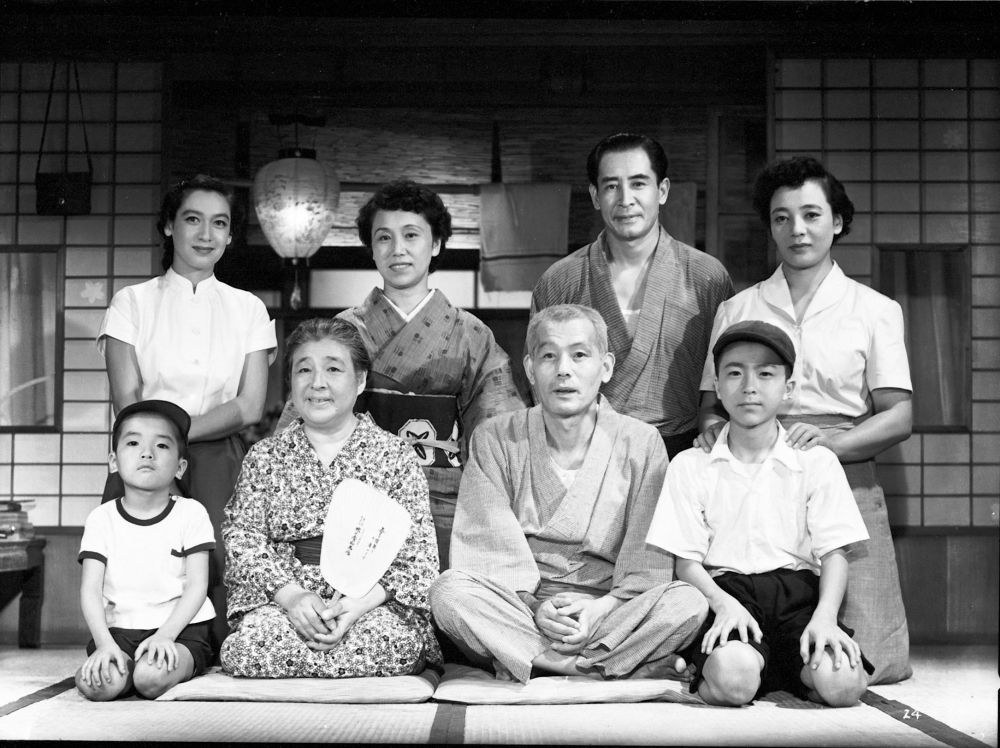
When Shukichi (Chishu Ryu), the grandfather, and Tomi (Chiyeko Higashiyama) the grandmother, arrive in Tokyo they’re welcomed by a busy family. They spend the first few days with their oldest son Koichi (So Yamamura) a doctor in a small local clinic. He is married to Fumiko (Kuniko Miyake), and they have two sons. After meeting their grandchildren and hanging out about the house (Not many adults have the time away from work to take them sightseeing) they head to Koichi’s sister, Shige’s (Haruko Sugimura) home. Shige is also married and runs a beauty salon in the first floor of their abode. The family members mean well, and make several attempts to entertain their elders, sightseeing some and buying them treats (though Shige protests at her husband for buying such expensive cakes- they eat most of them before presenting the gift). At a lack of finding things for Shukichi and Tomi to do the married couples recruit Noriko (Setsuko Hara) their widowed daughter-in-law who hasn’t yet remarried since the war. Noriko is more than happy to help, even though she isn’t a blood relative and has the least stature among the adult children of Shukichi and Tomi.

They try not to burden any of the family while they are in Tokyo, but it becomes clear after some time that they are simply too busy to accommodate them. After a failed trip to a resort spa outside of Tokyo, paid for by Shige’s family, Shukichi and Tomi decide to head home. They linger about for a bit, trying not to offend anyone for having left the spa early, which isn’t why they came to Tokyo in the first place. After a night out with Shkichi’s old village friends now residing in Tokyo, and Tomi having a profound evening with Noriko- they depart for home. Shortly after having returned home, Tomi falls gravely ill and the children begin to make the journey home for their dying mother. It is a beautiful and tragic sequence of scenes for the last half hour of the film, Shukichi veiling his grief with blank expressions and the children all commingling their grief and true feelings about their parents- it’s a lot, and if you can make it through the end with dry eyes, I honestly don’t know what would move you to tears in cinema.

The story, however, is only one slice of what makes this film so memorable and potent. Yasujiro Ozu’s technique behind the camera accounts for much of the dreamlike quality of the film. His cinematography and framing choices seem unique in how he utilizes them. He doesn’t always adhere to the eyeline rule, characters can seem as if they aren’t looking at each other as they speak, but he cares not. His style doesn’t sacrifice spacial or auditory understanding in the least, it enhances it. Ozu often frames two people sitting side by side, facing away from the camera, which gives the audience an almost ghostly viewpoint of the dialogue. It’s in this pairing of those faraway, unconcerned, shots of conversation with his low angle mid-shots of the actors directly facing the camera that Ozu’s style emerges as one both heavily invested in what his characters have to say, but also of the world they inhabit. Many scenes are bookended with “pillow shots” (relating to a similar technique in Japanese poetry); beautiful compositions of elaborate cityscapes, simple architecture, trains chugging along, or boats cruising along the coast in the background that bind the characters to their place and time so beautifully.

Inherently relatable and elegantly true to life, “Tokyo Story” was a joy to discover. I cannot recommend it enough, I found it (as with most older films lately) on the Criterion Channel, and with it a new filmography to plumb. Test new waters, take a chance and maybe you’ll find a new favorite film or filmmaker, I know I have.

Final Score: 4 adult children, 2 grandchildren, and 1 heartbroken old man..

*To further inform you on the humble perfection of this film, I’ve linked Roger Ebert’s review of the film below:

https://www.rogerebert.com/reviews/great-movie-tokyo-story-1953

film

Old School Review: “Tampopo” (1985)

Written and directed by Jûzô Itami, “Tampopo” is a Japanese comedy structured similarly to many Ronin Samurai films and American Westerns in particular. The film opens with an opulently dressed couple sitting down in a theater and directly addressing the camera in a scene that cleverly functioned as a warning to audience members eating too loudly, in fact the Gangster in white (Kôji Yakusho) threatened another patron that opened a bag of chips, good stuff. After which the film transfixes its attention to the small ramen shop owner, Tampopo (Nobuko Miyamoto).

A pair of blue collar truck drivers stop during a heavy rainstorm on their route, hungry for noodles in broth. Goro (Tsutomu Yamazaki) and Gun (Ken Watanabe) enter the small noodle shop filled to the brim with locals. One of the drunkards at the noodle bar Pisuken (Rikiya Yasuoka) keeps pestering the small woman behind the counter, offering her romance and trips to Paris, but his belligerence and disrespect eventually get to Goro and he offers Pisuken a fight. Unfortunately for Goro, Pisuken’s fellow drunkards get involved. The morning after Goro awakens to find himself bruised and battered in Tampopo’s kitchen. From there they discuss her ramen technique; she’s got potential, but she’s not that great either. Goro shows her a few techniques for housing him after the fight, but when he goes to leave she begs him to let her be his disciple, to learn the ways of a true ramen master and turn her little shop into a new favorite in town.

The rest of the film lies in Goro and Gun helping Tampopo learn by watching other ramen masters in the area, running training trials, and by eventually bumping into or seeking out other noodle guru’s with their own recipes and techniques that they’re willing to share. One of the most fascinating aspects of this film however are the multitude of short diversions that the film takes away from the main plot. All of these side vignettes are directly related to food and the different relationships the Japanese have with their food. The camera will often float away from the main plot to suddenly follow a random passerby and explore their relationship to food. We see a group of middle-aged executives all order the same thing from a restaurant menu- while their intern orders very specific and expensive food and wine to the chagrin of his red-faced elders. In this same high-end restaurant we a group of Japanese women studying Western etiquette, the lesson being on how to properly eat spaghetti- the tutor’s main suggestion is that silence while eating this dish is of high importance in western settings. However a gentleman of Caucasian complexion a few tables over begins loudly slurping his own spaghetti which leads to the entire class imitating the man and ignoring their superior. There’s also a fun game of cat and mouse in another vignette of a shopowner being terrorized by a little old lady sneaking about his shop squeezing and pinching all of his edible wares. There are more of these little independent stories littered throughout the film, and each has it’s own peculiar flavor.

This little film caught me by surprise. It has heart, humor, wit, AND charm! “Tampopo” is a small peek into the Japanese culture’s relationship with food and how it relates to appetite, independence, sexuality, love, and adversity. Beyond that the film is a laugh factory- I didn’t expect to find myself in the throes of chortling convulsions and snickering howls. In the end Tampopo’s ramen shop is transformed into a bustling display of skill and comfort, all thanks to the help of her ramen warriors. I highly recommend this film, you can find it on the newly operational Criterion Channel, a streaming service filled to the brim with foreign films, classic American films, and all flavors of art-house cinema.

Final Score: 5 Ramen warriors and 1 Tampopo!

film

Old School Review: “Sanjuro” (1962)

Written by Ryuzo Kikushima, Hideo Oguni, and Akira Kurosawa and directed by Kurosawa, “Sanjuro” is the sequel to Kurosawa’s earlier Samurai Ronin feature “Yojimbo” also starring Toshiro Mifune in the lead role. After “Yojimbo”‘s success Kurosawa’s producers pushed him to craft a sequel to the wandering Samurai’s debut. “Sanjuro” is a lighter affair than the first film, often playing off of well established expectations within the sub-genre so often associated with the Kurosawa ‘Western‘ Samurai flick. When asked for a name, the Ronin simply observes his surroundings and gives a random title (Sanjuro) just as he did in “Yojimbo”, seemingly only to appease whoever asked.

We’re quickly introduced to a group of young Samurai in a clan trying to rescue their uncle (Yûnosuke Itô) from the corrupt Superintendent of the clan. Luckily for them they stumble upon the disheveled and aloof Sanjuro who overhears their opening assessment of the clan’s situation, he chooses to interject, and tell them how wrong he thinks they are about the facts of the matter. “Sanjuro” has an excellent balance that keeps the film’s tension intact, and the scenes investing, even though the base story is fairly simple overall. As the nine young Samurai keep switching back and forth from trusting Sanjuro to being skeptical of his intent throughout the film, the dynamism of the large cast keeps the momentum high throughout the film. There’s also the fact that at any given moment Mifune can overshadow an entire screen filled with dozens of people and then disappear into the background within seconds if needed.

With the deft hand of Kurosawa behind the camera the simplicity of the story bleeds into the background of consciousness. Every cut, every use of movement onscreen, and every choice regarding spatial design keeps the seams of the theater curtain from tearing and revealing the secrets behind the illusion of film-making. For having a core cast of ten characters, solely regarding the protagonists, Kurosawa layers the space with them masterfully. He knows how to fill the field visually and uses the geometry of blocking to great effect in every scene, not to mention the ingenious camera movements that clue the audience in on story elements with ease. Most of the film takes place with Sanjuro and the rebel Samurais planning out how they will rescue their uncle and his wife (Takako Irie) and daughter (Reiko Dan). When Sanjuro’s clever conniving fails due to the rebel Samaurais’ incompetence, he finally resorts to the sword. It’s a thing of beauty to watch Sanjuro take stock when he is strategically cornered and plainly frees his fellow Samurai in a room full of guards and then proceeds to slaughter the dozen or so opponents single-handedly.

If you’re looking for a fun Samurai flick but don’t necessarily want the self-seriousness ingrained within the genre, then “Sanjuro” is for you. The sequel is actually pretty funny, and there’s no greater on-screen Ronin than Toshiro Mifune! You can’t go wrong with this one, plus, the very end scene has one of the very best Samurai stand-offs in cinema history.

Final Score: 1 Ronin

film

Old School Review: “The Sword of Doom” (1966)

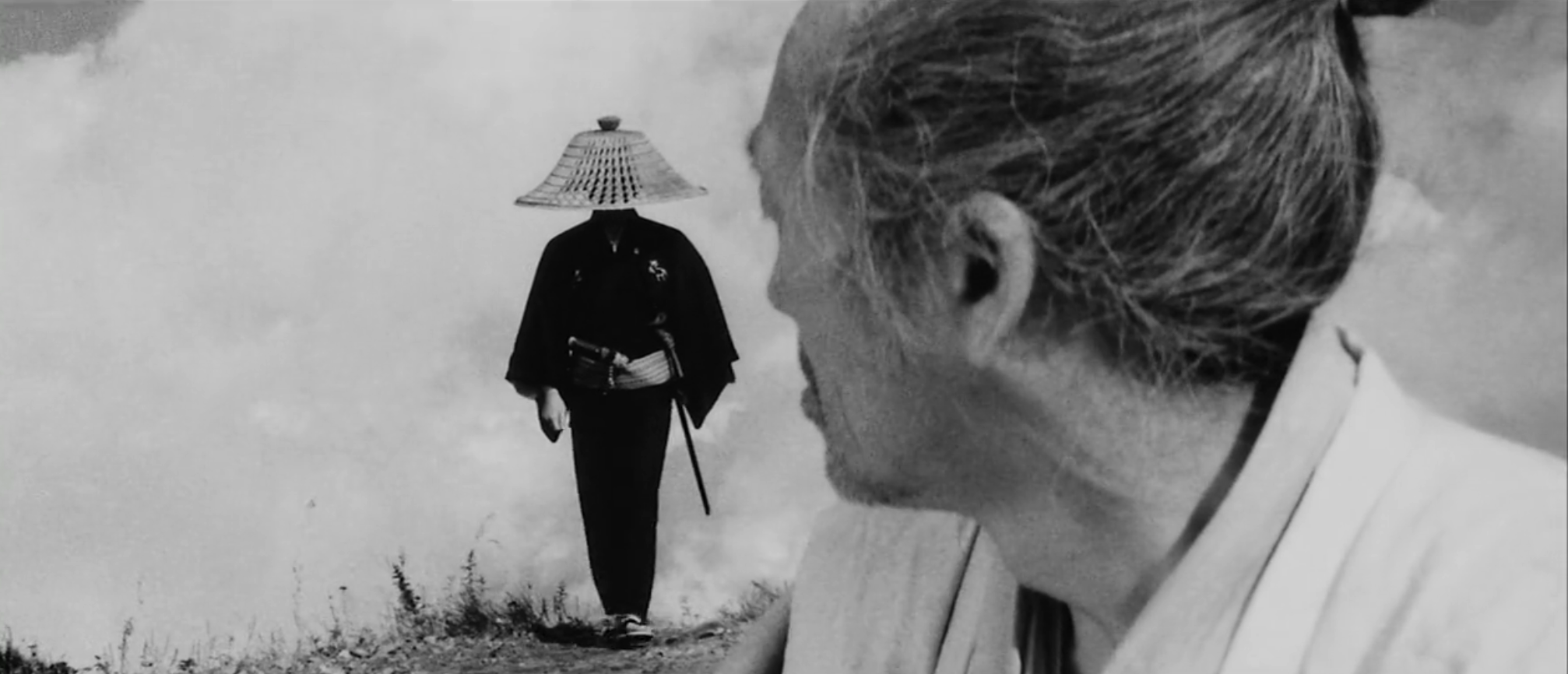
Written by Shinobu Hashimoto and directed by Kihachi Okamoto, “The Sword of Doom” is an existential samurai film that dwells on a titular character that isn’t exactly altruistic, to say the least. This is, essentially, the story of a villain. A Samurai with a unique style, long lost from any traces of morality, Ryunosuke (Tatsuya Nakadai) spends the majority of the film brooding and sulking about until he bursts with a flurry of violence. Don’t fret, this film most assuredly lives up to its pulpy title. Ryunosuke appears suddenly in the opening scene when he happens upon an old man praying for death so that his granddaughter would not be burdened by his increasing fragility. He swiftly grants his elder’s wish and moves along nonchalantly. Our protagonist is almost more of a singular force set upon the world than a human character, a skilled swordsman with a thirst for violence.

Early on in the film Ryunosuke’s father, who disproves of the psychopathic Samurai’s technique, pleads with his son to purposefully lose an upcoming fencing match. His opponent’s wife, Hama (Michiyo Aratama) also urges him to concede and throw the match against Bunnojo Utsuki (Ichirô Nakatani). Ryunosuke agrees on one condition, that Hama sleep with him before the match. Hama agrees, though Bunnojo discovers the infidelity before the match’s start and has made the clash a far more personal affair. After the fight is considered a draw Bunnojo lunges for a kill shot, but Ryunosuke’s entire style leans into this tactic, lying in wait for his opponent to strike with his eyes and sword leisurely cast aside. After Bunnojo is slain Ryunosuke and Hama are run out of town and the film cuts to an unspecified jump in time.

A few years later, roughly, Hama and Ryunosuke are married and considering returning to their village. Ryunosuke’s a sake drunk and Hama is resentful of her husband and her situation in life. Ryunosuke hears of rumors that Bunnojo’s brother Hyoma (Yûzô Kayama) is seeking vengeance, so he does a bit of research. What he doesn’t know is that his father urged Hyoma to train under master fencer Shimada (Toshirô Mifune), to wipe the shame of Ryunosuke’s actions from his family’s name. I won’t go into an excessive amount of detail on every plot point, but that is the skeletal framework essential to understanding the film. “The Sword of Doom” harbors a dense and nightmarish atmosphere that is used to great effect. The cinematography and blocking of the actors is magnificient and alleviates any stress that the admittedly convulted plot contributes to. The remainder of the film has some of the best Samurai action I’ve seen in films (so far), and Ryunosuke’s descent into existential paranoia is an excellent departure from his stoic confidence earlier in the film. Though my favorite scene of the whole film is when Ryunosuke witnesses Shimada’s expertise in killing an onslaught of attackers on a wintry night- his skill is enough to shake the soul of the morally corrupt Samurai. Aside from the Kurosawa films in which these two actors frequently come to blows, “The Sword of Doom” takes a different route, the two iconic Samurai actors never cross blades. Though Ryunosuke is profoundly affected by seeing the superior’s swordsman’s technique in action.

This was the final Criterion Collection film that I picked up through a sale they had recently, and it was worth every penny. The Criterion Collection does an excellent job with their film restoration. They clean up the audio and frames of film of any static or dirt and allow the full vision of the original filmmakers to shine through. Criterion commits to a commendable standard of quality that I personally highly value and I cannot recommend them enough. If you’re in need of a good Samurai film and have exhausted the library of Kurosawa, then this is a fine film to sate your katana brandishing needs.

Final Score: Scores of fallen foe

film

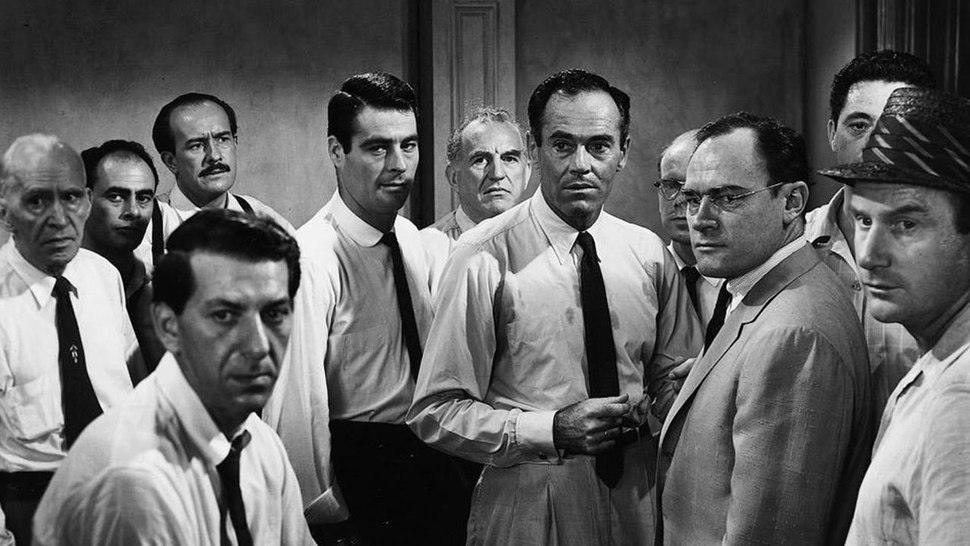
Old School Review: Sidney Lumet’s “12 Angry Men” (1957)

Written by Reginald Rose and directed by Sidney Lumet, “12 Angry Men” is a courtroom drama focusing on a debate over the verdict between the 12 jurors. It is also the first feature by director Sidney Lumet. This film was one that I’d been seeking for awhile now, and when the Criterion Collection had a sale on their physical media recently, it had to be part of the purchase. I’ve seen a few of Sidney Lumet’s films (“Dog Day Afternoon”, “Serpico”, & “The Verdict”) but I knew this one was heralded as excellent. The premise is simple enough, Twelve male jurors congregate in deliberation to decide the fate of a young Puerto Rican teenager. At first vote 11 of the 12 jurors vote guilty, with 1 juror, #8 (Played by Henry Fonda) voting not guilty. There must be a unanimous decision by the jury for the death penalty, and thus juror #8 stakes his claim and begins to open up the discussion.

As the film begins with the end of the court case we only get information about the details of the matter through the jurors’ dialogue. Sidney Lumet fully utilizes every trick imaginable in a one location film. The long take in the beginning of the film as each jury member enters the room is elaborate and the perfect opening to the film. We get a little bit of information on each character that will inform us as to who they are and how they operate as individuals. The film cleverly addresses why Henry Fonda’s character would have reasonable doubt about the case, and it addresses each character’s opposition and why they think he might be guilty, or not, as Fonda slowly starts to convince them one by one. After the first few rounds of voting, Fonda baits a few of the jurors into proving his point for there being reasonable doubt. It’s pure genius honestly. The way Lumet uses the camera, pushing and pulling on faces and actions, using visuals to aide the representation of changing power dynamics in each scene- it’s just brilliant.

This is a movie about the performances though, and they are some of the best in all of film history. Lee J. Cobb in particular as juror #3 was electrifying in his performance. As the film advances we get more background information about this broken man and how his past relationship with his son has heavily influenced how he maneuvers through the debate. If there was to be an argument for the antagonist of the film, juror #3 is the best case for such a label in the context of the story. Though Ed Begley as juror #10 is a close second, his personal prejudice against people of color and those unfortunate enough to live in the slums becomes clearer as his points of debate diverge from the rest of the jury’s reasoning and motives. In a stark and beautiful scene late in the film, juror #10 is quietly, and physically, shunned by the entirety of the room as his blatant racism becomes too much for the others to ignore or accept. The profound nature of the script lies in how each character’s turn to “Not Guilty” lies in the characterization that relates to their own lives. The best example of this may have been juror #4 (E.G. Marshall), the cold and calculating character defined by logic alone. He had the pillars of his argument shattered by Fonda when he used his argument of memory recall against him. The final point that convinced him to change his vote was reliant on the witness that claimed to see the murder, at night, from across the street- hadn’t been wearing her glasses. Juror #4 also wore glasses, and realized this flaw in his argument, and accepted this change.

I could go on and on about the performances in this film and Sidney Lumet’s mesmerizing use of the camera- but you’ll just have to trust me on this one, it’s a damn fine movie. I highly urge anyone and everyone to give this one a watch, I tend not to use the word Masterpiece when talking about films in general- but this one deserves the credit that word delivers.

Final Score: 12 Angry Men (duh)

film

Old School Review: Stanley Kubrick’s “The Killing” (1956)

Written by Jim Thompson and Stanley Kubrick and directed by Kubrick, “The Killing” is a noir heist movie that follows a gang of criminals poised to rob a racetrack during a high-stakes horse race with a large sum of cash in play. Last week the Criterion Collection had a sale on their stock of films so I took the opportunity and found a few new curiosities. Stanley Kubrick has always been a fascinating film director, but I haven’t always loved his films. Thus, I take every chance I can get when it comes to finding more of his work so I can form a more complete picture of the man’s filmography. I had never heard of “The Killing” and a Kubrick, Noir, Heist film was too tantalizing to avoid. I likely hadn’t heard of the film because it was only Kubrick’s third full length film release, but he considered this one to be his first mature feature.

The main force propelling the plot along is Johnny Clay (Sterling Hayden), the architect of the heist and the only one that knows all of the moving parts of the plan. Johnny gathered this gang of desperate and foolish rogues through well researched intel and earned trust. George Peatty (Elisha Cook Jr.) and Mike O’Reilly (Joe Sawyer) work at the track as a teller and bartender respectively. Both are in need of funds for their women at home, though each for vastly different reasons. Maurice Oboukhoff (Kola Kwariani) and Nikki Arcane (Timothy Carey), a chess playing strongman and a farmer who’s a crack shot with a rifle, are the two major diversions designed to create chaos and panic during the heist as Johnny palms the bills in the back during all of the confusion. There’s also Leo the loan shark (Jay Adler) and the poor schmuck of a cop Randy Kennan (Ted de Corsia) that got in deep debt due to Leo’s high interest rates. Together, these criminals attempted to forge a fool-proof heist in the hopes of netting a cool two million dollars for their troubles.

The film has a methodical nature to its layout, the audience simply isn’t involved in all of the details until the heist is in play. The writing, editing, and narration (which was a fountain of nostalgia laced with a fond notion of the simpler times in film) all work in tandem of executing the most tension within each scene as the film glides through its runtime. We meet the cast of characters well before knowing their exact roles in the heist, figuring out how all of the pieces fall into place was half of the fun of the film anyways. Johnny’s entire plan is based on the exact schedule of events and the knowledge that each member is executing their role at the planned time, without flaw. Thus once we get near the event we backtrack to various members and their roles as they execute them. The film was far more suspenseful than expected with this technique, it keeps you guessing as to where or when the gang will foul up their plan, because once we meet enough of the players and get a peek into a select few’s personal lives- it becomes clear that the plan will fail at some point.

I won’t spoil the fun for you by ruining the film’s third act, but I will give it a hearty recommendation. If you’re hankerin’ for a fun old school heist flick, give this one a shot! It’s only about an hour and twenty minutes, and an excellent way to kill the moody blues of a rainy afternoon.

Final Score: 2 Million dreams of the crooked and the desperate