Blogging adventures about film and the people that live it and love it
Category: film
Here I will have discussions on film, filmmaking, and prominent figures in the filmmaking world. There’s also film reviews and movie pitches as well! Enjoy!
Written by Andrew Solt, based on a story by Dorothy B. Hughes, and directed by Nicholas Ray, “In a Lonely Place” is a mystery noir film that cleverly plays with audience expectations and goes against the grain when regarding Hollywood star Humphrey Bogart and his character, Dixon Steele. Having only just recently seen “Casablanca” for the first time this past summer (I know, I know..) paired with “The African Queen” and “The Maltese Falcon”, I had an image conjured up from these films of Bogart’s usual assets in acting. Namely, playing a man beaten down by the world or it’s expectations resulting in sarcasm, a dry wit, and usually with a drink in hand or nearby. He might play a cynic- but at his core the characters usually have good intentions. This film toys with that image and what we the audience may have come to expect from Bogart’s other hit films, granted, the film starts out in a very familiar place for Bogart as Steele, a washed up screenwriter with a chip on his shoulder and a drinking problem. After Steele throws a spiteful fist early on in the film however, we get an inkling that this incarnation of Bogey has more of a temper this time around. Steele is a far punchier lead than his roles in the previously mentioned films, and this only assists in the delightful second act flip, which I found to be particularly innovative for the time.
The film begins with Steele’s agent, Mel Lippman (Art Smith), a longtime friend and confidant, whose just gotten Steele the opportunity to adapt a trashy pulp novel into a screenplay. Steele can’t bring himself to read the book even though he needs the work and instead hires a hat-check girl, Mildred Atkinson (Martha Stewart), who he heard loves the book and had just finished reading it. She comes to his place that evening and ecstatically goes over the plot while he glances at a new neighbor across the way who had also noticed him earlier as well. After Steele gets the general idea of the story, which he seems to detest a bit internally, he sends Ms. Atkinson home for the night by a nearby cab station- which he pays for in addition to helping him with the pulp fiction. Early the next morning Steele’s met by L.A. Detective, Brub Nicolai (Frank Lovejoy), who had served under him during the war. He brings Steele in for questioning, and while Steele believes it’s because he got into a fight with the son of the studio head the previous day, it’s actually because he’s the prime suspect in the murder of Mildren Atkinson found dead earlier in the dark hours of the morning.
Steele doesn’t do hiumself any favors when being questioned by the police. By his nature, he’s a macabre idealist with awful self-esteem, someone who’s intentionally vague and (as a writer does) likes to exaggerate from time to time. Luckily for him his new neighbor, Laurel Gray (Gloria Grahame), did see Ms. Atkinson leave the previous night without Steele, providing him an alibi, as well as a flirtatious invitation. After awhile the two begin to fall in love, they begin to date and Steele gets back to writing after Laurel helps get him off the bottle for some time. Though Laurel and Dixon do seem to be mutually affectionate to each other, things begin to go awry when an evening at the beach turns sour and Dixon’s temper reemerges when he discovers that Laurel was brought in for further questioning by the police chief, which she didn’t tell him about as she didn’t want to interrupt his writing streak. That he’s still being followed amid uncertainty in the air of whether or not he actually did kill Ms. Atkinson sends him into a rage while on the road and he almost kills a man after a traffic altercation. This is when the film switches the perspective to that of Laurel, who’s paranoia about Dixon grows slowly at first before he starts displaying seriously questionable behavior. This is the film’s best trick, they took great effort in the first half to assuage any suspicions of Dixon as a murderer and slowly inserted moments and scenes that could be looked back on with the latter half of the film’s perspective that turn the audience against Dixon whose losing control in his life and begins to break down the closer we get to the finale. It’s a very clever notion, the film’s twisty perspective and illusory truth pair to make this one a memorable outing for both Bogart and Grahame.
While this film may not reach the heights of the other Bogart films mentioned above, it does a fine job with some fun creative twists thrown in for good measure. There are some particularly entertaining pieces of the film that I must mention before departing however. Firstly, I really enjoyed the sauced theatrics of Steele’s has-been actor buddy, Charlie Waterman (Robert Warwick), who pops up throughout the film to espouse lyrical poetry and to support his screenwriter friend. Bogart also has a few really unexpectedly funny lines throughout as well, like when he jokingly suggests another suspect was the actual killer, not him, the man replies as Dixon shakes his hand on the way out: “What an imagination. That’s from writing movies.” And Dixon turns it around on the man in a split-second with: “What a grip. That’s from counting money.” There’s a lot of sly jabs like that throughout the film. As for the downsides, the film definitely feels its age. Those turned off by depictions of toxic masculinity will probably not find much to like about Dixon Steele. That and good lord there’s a lot of smoking cigarettes- which, is expected given the time period, but it’s still jarring at times and kind of fascinating to see the wheel of time rolling ever farther from cinema’s golden age of studio controlled dramas, musicals, and epics. If you’re looking for a decent black and white mystery noir, this should do just fine.
Written by Albert Maltz and Malvin Wald, based on a story by Wald, and directed by Jules Dassin, “The Naked City” is a police procedural that follows the NYPD Homicide department as they investigate the murder of a beautiful young woman who was drowned in her own bathtub. This dogged detective story was a delightful surprise, the film seems to have been ahead of its time in several departments, perhaps most notably with it’s depiction of darker content alongside a sort of docu-fictional representation of New York City and the many characters who populate it’s streets and buildings. Though the film has a huge cast of smaller roles that layer the story quite well, we chiefly follow Lieutenant Dan Muldoon (Barry Fitzgerald) the head of the Homicide department, and the latest recruit in Detective Jimmy Halloran (Don Taylor) who does most of the legwork on the case.
Mark Hellinger, producer of the film and former journalist, had a lot to do with the production. Not only did he conceive the idea of shooting the film on location instead of on a Hollywood set (revolutionary at the time), he’s even our omniscient narrator that pipes in throughout the film to give our heroes and villains prodding suggestions and commentary. While the narrator can be a bit dated and cheesy at times, the film does use narration in inventive ways that keeps the pace trotting along at an amicable pace. I was also surprised to hear the narrator give the villain words of encouragment in the third act after he’s been outed, which was an interesting touch- I wouldn’t have expected the narrator to care about the health of our murderer at all. Indeed, the film doesn’t shy away from the ugly side of criminality and that only makes the investigative work of the NYPD that much more dire as they put their feet and their minds to work in sniffing out the culprit. Inbetween shots of children playing in the open fire hydrant, women chatting while window shopping, and mothers tending to their crying babies, the film also shows us criminal partners offing each other in the east river and cleverly hides our villain in plain view several times. Muldoon’s gallows humor also supports this notion while subtely showcasing his years of experience in handling tragic cases such as this.
This film may have been the originator of many staples of the police procedural genre, so it’s worth a watch in that regard, but really it’s the character work that makes it noteworthy. Muldoon and Halloran make an excellent team but the ensemble work is where the film truly shines. The tiny flourishes of individuality given to all of the major players are something special, like the suspicous Frank Niles (Howard Duff) who’s brought in for questioning early on in the film- but is quickly found out to be a spectacular liar. You can find this film on the Criterion Collection’s streaming service (the criterion channel) or in their shop if you’re looking to purchase a physical copy. At an hour and a half, this was a charming and enjoyable noir-lite Detective tale that I encourage you to check out!
This article will mark the end of my own quarantine as I’ll be returning to work in the near future. I’ll still watch and write about films here on this blog but the ‘series’ of Rapid Fire Reviews will be coming to an end with these six movies whose only commonality is that I probably should have seen them before now. I’ll likely return to the more in-depth single film review style of the past, but variations could occur! The past six months and 78 movies (84 total, counting this piece) have made the circumstances more meaningful and I’ve learned a lot in that time. I’ve filled a lot of gaps in my film knowledge and library, and in a time when travel was restricted and we were all a bit more solitary than usual, film allowed me a respite and passport to other worlds and times. I don’t want to get too caught up in flowery verbiage about the power of film- but there is truth to the immersive properties of a good movie. If you’ve been reading along with me these past months, then I hope you enjoyed your time here and that you found new films, actors, directors, and stories to engage with beyond this blog. If nothing else, this blog exists to encourage you to take a chance on cinema and watch something unexpected, learn something new, or to simply be entertained.
Top Gun (1986)
Written by Warren Skaaren, Jim Cash, and Jack Epps Jr. and directed by Tony Scott, “Top Gun” is the action drama that sealed Tom Cruise’s superstardom after several other performances in other hit films earlier in the 1980’s. By now, “Top Gun” is one of those movies that has so permeated the culture that you may already know the beats and hits of the story well before they happen. It’s one of those movies that, if you grew up in the wake of it’s release you’ve heard the famous lines “I feel the need, The need for speed!“, or know about the rivalry between Maverick and Iceman (Val Kilmer) etc. Regardless, it was time, especially given that the sequel was supposed to be released this year before the pandemic hit. What was most surprising about the film on my first watch was just how much Tom Cruise has evolved since this film. His acting has improved significantly since his time as Maverick, particularly in the romance department. Whereas Cruise’s most recent films’ romantic threads in have been at least believable, here it was pure cheeseball- I actually outright laughed at several scenes with Cruise and Kelly McGillis. Which was unexpected given the film’s reputation. However, there were some charming sequences between Maverick, Goose (Anthony Edwards), and Goose’s wife (Meg Ryan) and kids. While Maverick and Goose may have been overly confident and loose cannons early in the film, Maverick eventually embarks on a transition from total ego and machismo to one of loss and uncertainty, and the film gets credit for injecting some humanity into the action and bravado. The dogfighting in the third act was also quite thrilling, so there’s that. I recommend this one with the caveat that some aspects of the film haven’t aged quite as well as the film’s reputation would have you believe.
The 400 Blows (1959)
Written and directed by François Truffaut, “The 400 Blows” is Truffaut’s first feature film and one of the founding films of the French New Wave, which is widely regarded as the transition between classic and modern cinema. I was initially hesitant to dive into the French New Wave films as the stereotypes that had cropped up regarding old black and white French films didn’t make them seem that appealing. It also doesn’t help that my first French New Wave film was “Breathless” by Jean-luc Godard. No offense to anyone that loves that film, but it wasn’t for me and seemingly embraced all the stereotypical aspects of French cinema that I was hoping to avoid on my first outing in the New Wave. This is my second time watching a Truffaut film, and I have to say his style is growing on me. While I may have enjoyed “Shoot the Piano Player” more than this film, I respect the hell out of it. “The 400 Blows” is partially autobiographical in an adaption of some aspects of Truffaut’s childhood and the title reflects that as it’s roughly translated to the idiom “Raising hell”. The film follows Antoine Doinel (Jean-Pierre Léaud) as a young teenager navigating the chaos of that oh so pivotal time in life. Between being lost in the magic of cinema at the movie theater, getting caught with a pinup calendar being passed from hand to hand in class, or accidentally setting fire to a personal shrine of famous French author Honoré de Balzac- the film keeps a fine balance of Antoine’s increasingly bad luck with authority and his actual earnest nature like when he returned the typewriter that he stole with a friend only to get caught in the act of returning it. This film helped cement François Truffaut as a new favorite filmmaker of mine, and I look forward to seeking out more of his films. Highly recommended. Below I have linked Roger Ebert’s review of the film for greater context regarding Truffaut.
Written by Chris Morgan and directed by Justin Lin, “The Fast and The Furious 3: Tokyo Drift” is the end of the initial era of the Fast and Furious movies. Before the second wave of ‘Fast‘ movies that retroactively changed some events and the overall timeline of the series, ‘Tokyo Drift‘ feels like a movie both perfectly suited for, and uniquely divergent from, the rest of the series. This was the only film out of the ‘Fast‘ series that I hadn’t yet seen, and I wanted to catch up before the ninth film came out- so here we are. All of the generic boxes that define a Fast and Furious movie are checked, but with some added flair. Beautiful women, fast cars, and criminal activity on the sidelines of illicit street racing. Sean Boswell (Lucas Black) is a wayward grease monkey in high school that eventually broke too many rules and drove too fast for society. So, they sent him to live with his father in Tokyo. Sean’s quickly indoctrinated into the drifting race community and befriends Twinkie (Shad Moss aka ‘lil Bow Wow‘) a military brat and fellow American. Obviously, Han (Sung Kang) from later F&F movies shows up and is his usual aloof self, he helps out Sean and teaches him to drift so that he can works his way up the ranks of the drifting circuit. Of course, there’s a villain called Takashi, but he’s known as D.K. ‘The Drift King’ (Brian Tee) and he’s got a girlfriend, Neela (Nathalie Kelley), that Sean gets involved with in a predictable love triangle situation. The racing is pretty fun, but the real reason to give this one a watch is to focus on director Justin Lin’s influence that would go on to shape the series for years to come. Lin would return to direct the next three sequels in the series, and has directed the next film ‘F9’ and, personally, I’m looking forward to it! Recommended for ‘Fast‘ completionists, but there are more well rounded entries in the franchise than this.
Star Trek 2: The Wrath of Khan (1982)
Written by Nicholas Meyer and Jack B. Sowards, and directed by Nicholas Meyer, “Star Trek 2: The Wrath of Khan” is the first Star Trek sequel and widely considered to be the best film of the series. After recently watching several of the Star Trek films from the Next Generation era of the series, I had nearly lost all hope that there could be a good Star Trek movie, but luckily this one came through for me. Rather than transforming into a faux capital “A” Action movie like “First Contact” or drastically altering the core personality traits of key characters as in “Generations”, “Wrath of Khan” relies on the strengths of the series and focuses on a tactical tit-for-tat series of mind games between the crew of the Enterprise and Khan (Ricardo Montalban) himself. After being marooned on Ceti Alpha V due to the events of the episode “Space Seed” from the first season of the original series, Khan and his ‘supermen’ from the twentieth century make their move for vengeance once Chekov (Walter Koenig) and Captain Terrell (Paul Winfield) of The Reliant mistakenly beam down to Ceti Alpha V. The crew of The Reliant were planning on evaluating Ceti Alpha VI for the potential to implement a test of the Genesis device, a tool that could transform dead matter into habitable worlds. They did not know that some time after Khan and his men were marooned on Ceti Alpha V, the neighboring planet Ceti Alpha VI exploded and resulted in the deaths of some of his people, including his wife. Thus once Chekov and Terrell arrived, Khan struck quickly, put mind control space worms into their ears, and swiftly took control of The Reliant. Once the stage is set between the two ships, Khan and Kirk (William Shatner) trade barbs and maneuver to outwit each other to the great benefit of the audience. This was an excellent outing for the Star Trek franchise and I highly recommend it- but with the caveat that you should probably watch the episode “Space Seed” to be caught up with the story beforehand.
Léon: The Professional (1994)
Written and directed by Luc Besson, “Léon: The Professional” is a thriller starring a hitman with a craggy exterior and a heart of gold underneath. Léon (Jean Reno), is a hitman working for the Italian Mafia in New York City. He calls himself a ‘cleaner‘ and outside of his work he’s a methodical and simple man, sleeping in the corner with his clothes on at the ready, seemingly surviving on milk alone. One day on his way home after completing a job with harrowing precision, he meets a lonely young girl in his building, Mathilda (Natalie Portman). Mathilda, clearly, does not have a great home life as we meet her smoking on the stairs hiding bruises on her face. After a couple chance meetings like this the two establish a neighborly camaraderie. Mathilda’s family is wrapped up in the drug trade and early on the threat of the movie is established when a corrupt D.E.A. official (Gary Oldman) pays her father a visit and convincingly threatens their lives, promising swift retribution if they don’t find his missing cocaine within 24 hours. The next day Mathilda meets Léon in the hallway and she offers to pick up some milk for him and while she’s out the D.E.A. kicks down her family’s door and slaughters them all. It’s a brutal and horrifying scene, one that Léon witnesses from his peephole down the hall. When Mathilda returns, she has the awareness to walk past her door with armed men and go to Léon’s instead. He hesitates, but eventually lets her in. After some disagreement they agree to work together to seek revenge for her family. This film was a joy to discover, I’ve enjoyed the work of Luc Besson before, but this one had always been elusive to me, but I’m incredibly glad to have finally sat down and given it a watch. The opening scene of the film, in my opinion, is perfection. It clearly establishes Leon’s deadly accuracy and skill, which heavily informs the rest of the film. This excellently matches with later scenes of Leon being changed by Mathilda’s presence in his life, Léon teaches Mathilda how to be a “cleaner” and Mathilda shows Léon what he’s missing in life, family, a sense of normalcy. The scenes of Léon learning to play and Mathilda learning how to aim a gun pair to give the film a unique sense of charm. Highly recommended.
Rear Window (1954)
Written by John Michael Hayes and based upon the short story by Cornell Woolrich, and directed by Alfred Hitchcock, “Rear Window” is ultimately the perfect film to end my quarantine series of film reviews and analysis. L.B. Jefferies (James Stewart) is a globe trotting, and often adventurous, photographer who’s been restricted to a studio apartment in Chelsea, Manhattan for weeks, bound to his wheelchair while waiting on a broken leg to heal. During his time he’s visited by Stella (Thelma Ritter) the nurse sent from his insurance agency, and Lisa Carol Fremont (Grace Kelly) his well-to-do socialite girlfriend. Jefferies spends most of his time peering out his window which overlooks a courtyard, watching his neighbors go about their daily lives. He’s come to know the many players of the neighborhood, a young ballet dancer across the way, a middle aged sculptor that lives below her, a single lonely woman, a couple that sleep on the fire escape and lower a tiny dog into the courtyard periodically, a young frustrated composer, a newlywed couple, and a quieter middle aged couple nearly directly across from Jefferies. One night Jefferies is awoken during a thunderstorm by a woman screaming “Don’t!” and glass shattering. He doesn’t see much commotion and falls back asleep, but is awoken again by the storm later in the night when he sees Lars Thorwald (Raymond Burr), the husband of the quiet couple, leave his apartment in the middle of the night with a large suitcase. This prods Jefferies to keep an eye on Lars, and it isn’t long before he brings his friend and NYPD detective Tom Doyle (Wendell Corey) in to investigate the suspicious activities witnessed by Jefferies. This was another (surprise!) excellent film from Alfred Hitchcock. While maybe not as impressive or thrilling as say “Psycho” or “North by Northwest”, it was a slower paced, engaging, thriller that kept me immersed in the mystery of how the story would unfold. James Stewart always works for me as the old school everyman character actor, and while he may be a bit too ‘awe shucks corny‘ in the first half of “Mr. Smith goes to Washington” (for example) here he’s an affable, but stubborn, photo journalist that has a dogged tenacity to seek out the truth- and that works well for the actor’s skill set and range. This is a fun one-location thriller that will relate to anyone who’s been forced to stay in one place for more than a month- and this year’s had more than enough of that! Highly recommended.
A few weeks ago a film from my “Most Anticipated films of 2020” (https://spacecortezwrites.com/2020/01/05/my-10-most-anticipated-movies-of-2020/) was actually released on several streaming platforms- so it seemed like the perfect time to gather a few friends and watch it together. Instead of writing solely on Bill and Ted’s latest adventure though, I thought I’d use the opportunity to write about all three films. The first two films, somehow, accurately represent both the 1980’s and 1990’s pop culture aesthetics exquisitely. While the third film injects this most non-heinous year with a much needed dose of positivity and earnest optimism. Your enjoyment of these movies will weigh heavily on whether or not you find these two admittedly mindless fools with hearts of gold endearing or not. If you could put “Back to the Future”, “Wayne’s World” (which, I know, came after the first two movies), and Richard Linklater’s “Slacker” into a blender, the Bill and Ted movies would be the logical outcome of that combination. So, watch according to your taste. Oh, and in case it wasn’t clear, I highly recommend each of these films, hope you watch and enjoy! Party on Dudes!
Bill and Ted’s Excellent Adventure (1989)
Written by Chris Matheson and Ed Solomon and directed by Stephen Herek, “Bill and Ted’s Excellent Adventure” is a supernatural buddy-comedy that perfectly encapsulates the time that it was released in. Rock and Roll obsessed Teenagers Bill S. Preston Esquire (Alex Winter) and Ted Theodore Logan (Keanu Reeves) are doing their normal routine of air guitars and running late for school one day when they lament the fact that their band, THE WYLD STALLYNS, will never be truly excellent… unless maybe they can recruit Eddie Van Halen as their lead guitarist. The two metal-heads are rudely awakened from their dreams of rock and roll superstardom when they’re told that they’re hopelessly doomed to fail their history class unless they prepare an outstanding oral presentation by the following day. Adding to their problems, Ted is handed down an ultimatum from his father that evening- if he fails History, he’ll be enlisted in an Alaskan military school! Which would destroy their band’s chance of becoming totally excellent! Enter, Rufus (George Carlin) a time traveler from seven hundred years in the future where Bill and Ted are revered for their band’s music and philosophy that united nations and helped to forge the utopia that Rufus comes from. With a time machine designed to look like a telephone booth, he shows ‘the great ones’ how to use it, and he lets them loose on ‘the circuits of time’ to learn something so they pass their History class. After accidentally snagging Napoleon Bonaparte (Terry Camilleri) off the battlefield of a war in France 1805, Bill and Ted have an Eureka moment and decide to stop throughout time and bring historical figures to their presentation. So, this one’s a favorite of mine. I’ve always enjoyed the time traveling antics of these two, but upon a rewatch I was pleasantly reminded of all the great side jokes with all of the historical figures that really make the film special. For example, when Bill, Ted, and all of the Historical figures are in the San Dimas Mall, Billy ‘the kid’ (Dan Shor), Socrates (Tony Steedman), and Sigmund Freud (Rod Loomis) are trying to hit on some girls at the mall and Freud’s holding a corndog that he slowly lowers as the scene goes on while he’s failing to be cool in front of the young women before Billy ‘the kid’ and Socrates call Freud a nerd and ditch him. That’s just comedy gold. The whole film is chock full of these jokes, my favorites were Napoleon being ditched at a Chuck E. Cheese style establishment where he fights small children over ice cream, and later when he finds the ‘Waterloo’ water park and becomes obsessed with water slides. Good stuff! The film ends with a fun showy presentation with all of the historical figures prominently showcased and Bill and Ted securing their future- for now!
Bill and Ted’s Bogus Journey (1991)
Written by Chris Matheson and Ed Solomon, and directed by Peter Hewitt, “Bill and Ted’s Bogus Journey” is the totally tubular sequel to Excellent Adventure that creatively flips the script on it’s predecessor and goes it’s own weird way. This film opens in the future where we see Rufus teaching a history class with historical figures like Thomas Edison (Hal Landon Sr.) being brought in for a lecture. Chuck De Nomolos (Joss Ackland), a sort of stock sci-fi villain, storms Rufus’ classroom and sends his android versions of Bill and Ted back through time stealing the telephone booth as Rufus narrowly escapes by following the booth through ‘the circuits of time’. Bill and Ted now live on their own in a small apartment and plan on attending the battle of the bands to win- even though they still can’t play their instruments that well. The princesses (who came from Medieval England in the first film) have learned to play several instruments in that time though. Both Bill and Ted feel bad that their collective lives in ‘the present’ haven’t lived up to the promises that they initially made to the princesses- thus they decide to propose and promise to make everything right. Which is about when the evil robot Bill and Ted arrive and murder the real Bill and Ted and then proceed to ruin their lives and relationships. Wow! What a twist! So then my favorite portion of the movie begins once Bill and Ted escape from Death (William Sadler) by giving him ‘a Melvin’ and trying to tell their parents that they’re dead and that evil robots have replaced them. It doesn’t go so well for them, and when they crash a séance that their stepmom Missy (Amy Stoch) is hosting- they’re whisked away to Hell where they must traverse each one’s own personal hell before they encounter Death again. The exaggerated realities in both Bill and Ted’s personal Hells snugly fit the 90’s aesthetic. Once they find Death, the only escape is by besting the Grim Reaper in a game. Playing off of “The Seventh Seal” (my review here: https://spacecortezwrites.com/2017/10/27/old-school-review-the-seventh-seal/) the film pokes fun at the classic imagery of Death playing Chess with a Knight by having Bill and Ted compete against the force of nature in board games. Battleship, Twister, and even Clue are all played until Death is so thoroughly beaten that he must admit defeat and agrees to bring them back to life- but first they ask to be brought in front of God to ask for help. When Bill and Ted wrack their brains to try and figure out how to combat robot copies of themselves, they decide that they need to find someone to build good robot versions of themselves to fight the bad ones. That someone is Station, a strange alien that is sometimes two smaller aliens, and occasionally one big combined version. “Station” also seems to be an exclamation of sorts in the future, even the evil robot Bill and Ted shout it at one point. It’s all part of the goofball charm that this movie entails. Eventually Death joins the band and they all learn how to play guitars to “win” the San Dimas Battle of the Bands which gains the duo some status as a real band! Truly excellent!
Bill and Ted Face The Music (2020)
Written by Chris Matheson and Ed Solomon, and directed by Dean Parisot, “Bill and Ted Face The Music” is the culmination of the trilogy in which Bill and Ted try to finally write and perform the song that will save the universe and unite humanity, fulfilling their destiny. Twenty-nine years later, Bill and Ted still haven’t gotten their song down, and the ounce of fame they got from the San Dimas Battle of the Bands has since waned in power. The Princesses are having doubts about their husbands ability to do the impossible and Bill and Ted are (still) having trouble separating for pretty much any reason. Both have young daughters that are about the age that they were in their first excellent adventure, Thea (Samara Weaving) and Billie (Brigette Lundy-Paine). Both actresses are entertaining and charming in their roles as Bill and Ted impressions, and I actually mean that. They have some of the best sequences throughout the film in my opinion. So, a lot happens in this one, but the main breakdown is that the film’s structure steals (ironic huh?) from the past two films and mashes them together. Bill and Ted are brought before the council in the future once again, chaperoned by Kelly (Kristen Schaal) Rufus’ daughter. They’re told that they must write and perform the great unifying song soon or else all of reality will break. Realizing that they could never actually write the song in time, the bodacious duo decide to steal Rufus’ old telephone booth (memorialized in the future now) and go to their future selves and steal the song from themselves after they’ve already written it. So they take off to do that, while ‘the great leader’ (Holland Taylor), who is also Kelly’s Mother and Rufus’ old flame, decides that maybe if she has Bill and Ted killed- that may restore balance to the timeline. So, she sends a robot assassin after them. Kelly goes back to 2020 San Dimas to warn Bill and Ted, but instead only find their daughters there, who decide to help their dads by going throughout time and picking up historically relevant musicians. Thea and Billie then go on a time travel adventure recruiting musicians of great skill and fame like Jimi Hendrix (DazMann Still), Louis Armstrong (Jeremiah Craft), Wolfgang Amadeus Mozart (Daniel Dorr), Ling Lun (Sharon Gee), Kid Cudi (played by himself) and Grom (Patty Anne Miller), a Caveman drummer. However, the robot assassin accidentally confronts the daughters once they’ve gathered all of these legendary musicians- and accidentally kills them all. Which sends them all to Hell. Meanwhile, Bill and Ted have been constantly traveling to further and further versions of themselves that keep deteriorating, which at one point the ‘failure versions’ of them try to trick the real Bill and Ted into thinking that they did indeed write the song in time- but it was just a new Dave Grohl song. This was an excellent return to form and I highly appreciated this film, ESPECIALLY this year of all years. I needed this one, and I hope if you catch it, you too enjoy the return of Bill and Ted, THE WYLD STALLYNS!
*Below I’ve linked two videos from Red Letter Media’s Youtube Channel in which they discuss the Bill and Ted movies; Enjoy!
*Also below these two videos, I’ve linked a third YouTube video on Bill and Ted from Wisecrack, titled “Bill and Ted’s Excellent Adventure: Is it deep, or dumb?” Enjoy!
After returning to a few modern day releases, I needed something weightier.. something more.. inspirational. So I turned to the Criterion Collection (as I have done so often during this quarantine) with a new set of parameters to further define what this piece would be about. First, I would only seek out filmmakers whose work I have never seen whatsoever. No returning to old favorites here, which incidentally, is how you gain new filmmaker fascinations. Secondly, no repeating countries of origin for each filmmaker. The following five films are incredibly diverse in tone, style, and subject- though they all caught my attention, and adoration. The filmmakers behind these movies are from different eras, different countries and languages, but they’re all united in the pursuit of expression through art. Seijun Suzuki, a stylistic and eccentric Japanese genre filmmaker influenced and revered by the likes of Jim Jarmusch, John Woo, and Quentin Tarantino. Agnès Varda, an international art-house icon and influential founding member of the French New Wave. Apichatpong Weerasethakul, the youngest and only living artist of the bunch, is a Thai filmmaker with a penchant for dreamlike visuals and a matter-of-fact surrealism. Federico Fellini, who’s probably the most well known artist of this group, is one of the most lauded and revered film directors of all time who skillfully blended fantasy with drama in a most unique fashion. Finally, comes the partnership of self proclaimed English filmmaking duo “The Archers”; Michael Powell and Emeric Pressburger, who pair a swift cavalier attitude with a surprisingly deep bench of emotional clarity. I’ll skip the individual recommendations that I usually insert into each short review because I wholeheartedly recommend each of these films and I hope you seek them out!
“Tokyo Drifter” (1966)
Written by Yasunori Kawauchi and directed by Seijun Suzuki, “Tokyo Drifter” tells a somewhat familiar tale within the gangster genre, though with bold and stylistic choices that make it memorable. The titular drifter is Tetsu (Tetsuya Watari), a prominent member of a gang in Tokyo attempting to “go legit” and get out of the game for good. Things aren’t that easy though, as their rival gang cannot abide by this pacifist turn and use this as an opportunity to oust Tetsu and his Boss Kurata (Ryûji Kita) for good. After their rival gang plays dirty by trying to oust Kurata and company from their building financially and ruin their attempts to settle the gang’s debts, Kurata accepts Tetsu’s idea to disband the gang geographically and for Tetsu to wander Japan occasionally getting assistance from their allies. Once they discover this tactic Otsuka (Eimei Esumi), the leader of the rival gang, sends his best man, Tatsu the Viper (Tamio Kawaji) to hunt him down. What sets this film aside as a standout within the crime genre is it’s style. The look and sound of the film is very unique. The opening is a washed out black and white that transfers to color after that sequence. BOLD color choices become almost distracting throughout the film. In costumes, backgrounds, lighting, in all facets of production really the colors catch the eye from scene to scene. There’s also a particularly jazzy score throughout the film, which when paired with Tetsu’s random bouts of singing make the whole affair more upbeat in nature. Shootouts with abstract choices, jazz blaring over a nightclub brawl, and betrayals left and right- it all combines for a fun, if somewhat predictable, gangster flick.
“Cléo from 5 to 7”(1962)
Written by and directed by Agnès Varda, “Cléo from 5 to 7” is a film from the French ‘New Wave’ and it follows Cléo (Corinne Marchand), a young model and singer in Paris who fears she may be diagnosed with cancer. As she waits to hear the test results, we follow her ‘from 5 to 7’. We begin with a tarot card reading Cléo receives, which oddly, is shot in color while the rest of the film is Black and White. It’s a fun way to introduce the credits while getting some principal information about our titular model. Namely, that she’s a hypochondriac and a bit shallow to say the least. We get more of that as the film goes on, Cléo clearly thinks very highly of herself and that as long as she has her beauty- she’s living a fuller life than those without such beauty. *eyes roll* Well, at any rate, we follow Cléo as she goes hat shopping with her maid, to a cafe, and then to her apartment where she attempts to get some work done with her rehearsal pianist- but she feels the weight of her foreboding card reading earlier in the day and eventually blows up at her pianist and wanders off, discarding her wig, and starting to look and feel considerably more morose. After a bit she encounters an Algerian War soldier in a park who accompanies her and as the conversation goes on you can begin to see a change in Cléo’s demeanor. After hearing about this man’s life and perspective, and how drastically different it is to her’s, she seems relieved by the man’s humility. What I found particularly fascinating about the film is the wandering eye of the camera- how it will slide over to a neighboring table at the cafe and linger on the other patrons’ conversation instead of listening to Cléo’s maid. There are several shots like that throughout the film and while this film didn’t flat out amaze me, I did find it charming and unique, and those choices reveal someone behind the camera who has an eye for storytelling that I will likely return to. As I work my way through the films of the French ‘New Wave’ I’ve found things I adore and some I simply respect without due emotion- but this one is a curious little movie that will prod me to seek them all out in the future.
“Uncle Boonmee who can recall his past lives” (2010)
Written and directed by Apichatpong Weerasethakul “Uncle Boonmee who can recall his past lives” is an art-house drama that focuses on the titular Boonmee and his family as they encounter supernatural occurrences. The beginning of the film features a tied up ox (in a past time perhaps?) that breaks the thin rope tying it to a lone tree and wanders off into the jungle before a man in a loincloth finds the beast and hauls him out of the maze of vegetation. Though before we cut to the main story- we get a shot of a still figure, darkened by shadows, with piercing red eyes watching this scene from further within the jungle. We’re then introduced to Boonmee (Thanapat Saisaymar) and his sister-in-law Jen (Jenjira Pongpas) as they arrive at the family’s small farm. There Boonmee, Jen, and Boonmee’s nephew Tong (Sakda Kaewbuadee) tend to the farmhouse, check on the field workers harvesting fruits, and generally take a slow approach to each day. Which is a necessity as Boonmee has a failing kidney and a dutiful assistant in Jaai (Samud Kugasang), who performs dialysis treatments for him. At dinner one night Boonmee, Jen, and Tong discuss death and karma, and the conversation seems to be your average run-of-the-mill chat over a shared meal- that is, until a ghostly figure slowly fades into existence at an empty chair at the table. Surprisingly, everyone at the table calmly accepts this unexpected appearance- maybe because the ghost is Boonmee’s deceased wife, and Jen’s sister, Huay (Natthakarn Aphaiwonk). They show her pictures of people and events that have taken place since her death and they ask her why she has come, but she’s coy and seemingly removed from the troubles of time and space. Shortly after this a shadowy figure with the same glaring red eyes as before slowly walks up the stairs to join the family at the table as well. This figure’s form becomes clearer when he finally sits at the table under the light. This extremely hairy, red-eyed, and stoic creature claims to be Boonmee’s lost son, Boonsong (Geerasak Kulhong). After his mother’s death Boonsong became obsessed with tracking down a creature he managed to photograph once, the “Monkey Ghost”. Eventually Boonsong found the creatures, and mated with one, which transformed him into what he is now, though he confesses to nearly forgetting all of “The Old World”. He admits to arriving because there are many otherworldly creatures outside Boonmee’s door, and that his father’s time in this world is near it’s end. While Boonsong departs after this scene Huay sticks around and eventually leads Boonmee to a cave with Tong and Jen following behind. There’s a lot more that takes place after this, including a scene where a princess meets a talking catfish and has an erotic experience centered on the subject of wishes. It’s a very strange film that constantly kept me rapt with attention. How do you know what to expect when all of reality seems at play? This one’s also noteworthy as it’s the first film from Thailand to win the coveted Palme d’Or at the Cannes Film Festival. “Uncle Boonmee who can recall his past lives” was a joy to experience- but it is most definitely a slow paced one and it can be highly surreal at times which won’t be for everyone. If you’re into David Lynch’s style of filmmaking- this will likely work for you!
“I Vitelloni” (1953)
Written by Ennio Flaiano, Tullio Pinelli, and Federico Fellini, and directed by Fellini “I Vitelloni” is the story of a small group of young men in their twenties in a seaside town in 1950’s Italy. There are five in the group but the majority of the drama is focused on two of the characters, Moraldo (Franco Interlenghi) the youngest of the group, and Fausto (Franco Fabrizi) the oldest and defacto leader of the group. In the beginning of the film at the Mermaid Beauty Contest, Moraldo’s sister Sandra wins the top prize, but has a fainting spell which is caused, the doctor discovers, by pregnancy! Fausto is quick to leave the end of summer celebration and attempts to leave town- but he’s quickly discovered by his friends and family, to be the father of Sandra’s unborn child. This prompts a jump forward to the hastily prepared wedding and it’s aftermath in which we get more of a focus on the others in the group; Leopoldo (Leopoldo Trieste) the meek intellectual playwright, Alberto (Alberto Sordi) the dreamer who lives with his sister and mother, and Riccardo (Riccardo Fellini) the boisterous and overly confidant baritone singer who dreams of fame. The film is chiefly concerned with Fausto’s incorrigible impropriety towards Sandra and seemingly every single woman that he comes in contact with. It’s amazing how far Fausto goes to sate his animalistic urges, going so far as to pursue a woman that leaves the movie theater that he and Sandra attend during the movie. What I enjoyed most about the movie was it’s the depiction of listless young men in a small waterfront town, lonely, lost, not knowing what to do with their lives or even who they really are as men. The film is very interested in themes of family, tradition, infidelity, and the failure of living up to society’s expectations. Each of the five young men are touched by failure in some way shape or form, and how they choose to handle each scenario showcases their differences as the story evolves. This was an entertaining, and very relatable, film. As someone who just escaped their twenties with a similar sense of failure, being lost, and generally directionless- I understood (some of) these characters.
“The Life and Death of Colonel Blimp”(1943)
Written and directed by Michael Powell and Emeric Pressburger, “The Life and Death of Colonel Blimp” is the story of Major General Clive Wynne-Candy told over forty years from 1902 to 1942. From his return to England after his foray into the Boer War of South Africa until his time building the Home Guard where he trains the next generation during World War Two, Candy was always at the forefront of the next battle. The film begins with a scene in the second World War when a young officer gets sassy with a seasoned Candy at a Turkish Bath. When Candy gives the young officer a pop in the jaw for his ignorance, he basically tells him that he doesn’t know his story, why he grew his ridiculous mustache, how he became portly, or who he was as a person. Then we get a clever transition back in time in that same Turkish bath to the early twentieth century. The film is structured into three major parts, the aftermath of the Boer War, World War One, and World War Two. What at first seems like solely a biographical story, turns into the story of two men, and the women they loved. Initially Candy (Roger Livesey) is sent to Berlin to combat some German propaganda spreading misinformation about the British Military’s actions in South Africa. Once there his informant, Edith Hunter (Deborah Kerr) takes him to a popular cafe that the suspect frequents. Candy eyes the suspect, Kaunitz (David Ward), who was a captured combatant in Candy’s camp for a time in South Africa, and starts a scuffle in which he insults the entire of the German Army. This necessitates a duel between Candy and a representative of the German Military. Thus Candy must fight a man who had never known him for his verbal slight. That man is Theo Kretschmar-Schuldorff (Anton Walbrook), and both men receive wounds in the scrap. Candy nearly loses his upper lip and Theo gets a daring scar on his forehead. Both men stay at the same nursing home to recover and in that time they become fast friends with Edith often stopping by to play cards and visit both men. By the time they’re both healed a connection has grown between Theo and Edith- and they intend to marry once Candy insists that Edith isn’t his fiance. Fast forward to the end of the first world war where the two friends have their lowest point as Theo has been taken as prisoner of war in England and has had his ideals shattered by Germany’s defeat. While Candy is in France near the end of the war, he meets a young British Nurse that is the spitting image of Edith, who Candy has finally realized he loved in his youth. Barbara Wynne, who ends up marrying Candy, is also played by Deborah Kerr. In fact, she has a third role in the World War Two portion of the story as Candy’s personal driver- who also interacts with an aged Theo who’s moved to England in the 1930’s to be in his deceased wife’s homeland- he lost his children to Hitler’s propaganda years ago and has taken great shame because of it. The third portion of the film is my favorite part as it plays off of a culmination of everything we’ve seen up until this point. It also has the best scene in my opinion- when Theo comes to England he must defend his reasoning to an immigration official where he details his deeply emotional reasoning as to why he wanted to move to England. Right when Theo mentions that he does have a contact in England- but that he’s probably a very busy man who doesn’t have the time to acknowledge such a request- a decorated General Candy waltzes into the immigration office exactly on cue. It’s one of the finest examples of true friendship that I’ve seen on film in years. This was a very entertaining and far more emotionally resonant film than I expected. I appreciated how perfectly cyclical the film’s storytelling is, and how the editing and shot composition blended the beginning and ending of the film together seamlessly. As I wasn’t too sure of the background behind the film, I initially thought General Clive Candy was a real historical figure- but from what I gather, ‘Colonel Blimp’ is more of a caricature of ‘outmoded’ British Militarism similar to that of ‘Uncle Sam’ in North America. They just used the popular character of ‘Colonel Blimp’ from pop culture and molded some humanity around the representative figure. This was an excellent film that focused on a friendship that survived forty of the most tumultuous years in modern European history from opposing nationalities, and the women that influenced both men in that time.
*Below I have linked (or attempted to) a few articles on the films discussed above, hopefully they give greater context and further the conversation in a fruitful way. Enjoy!
**I would simply link you to the following article, but for some reason, there is a technological error preventing this- HOWEVER, I still recommend seeking out the short article titled “Apichatpong Weerasethakul on Moviegoing After Quarantine, When Slow Cinema Could Reign” on IndieWire written by Ryan Lattanzio.
After digging through boxes of random VHS movies just to find something to review in my last Rapid Fire Reviews, I hadn’t considered reviewing some of the movies that were actually released this year. Originally I didn’t plan on discussing several of these films upon viewing them- most of the bunch weren’t all that interesting to be honest. However, I finally got around to watching “The Invisible Man” and that was the impetus for this round of Rapid Reviews. Hope you find something you’ll enjoy!
The Invisible Man
Written and directed by Leigh Whannell, “The Invisible Man” is the latest modern re-imagining of the H.G. Wells’ classic. In this iteration we’re introduced to our lead, Cecilia (Elisabeth Moss), in a relentlessly soundless opening scene as she attempts an escape in the middle of the night from her abusive partner Adrian Griffin (Oliver Jackson-Cohen), the invisible man himself. The scene is an excellent example of the skill in executing tension that you’ll be subjected to over the next two hours. This film is intense and consistently thrilling, each scene continually ratcheting up the pressure in creative and unexpected ways. The story is sort of a fun “What if Tony Stark was a grudge-holding psychopath with toxic control issues?” scenario. Elisabeth Moss owns this movie, you totally believe her fear and paranoia. Which is crucial, if her performance didn’t sell you on the immersion of threat or atmosphere of danger- the film wouldn’t have worked. There are sequences throughout the film where subtle camera movements imply the invisible man’s presence with chilling ease. Creating the unsettling “presence” of the invisible man must have been a creative joy to figure out, as the filmmakers utilize just about every trick and idea you could get out of the premise. It exceeded my expectations greatly.
Highly Recommended!
Bad Boys for Life
Written by Chris Bremner, Peter Craig, and Joe Carnahan, and directed by Adil El Arbi and Bilall Fallah, “Bad Boys For Life” is the third installment of the buddy cop action series. It’s been seventeen years since we last saw Mike (Will Smith) and Marcus (Martin Lawrence) chasing down degenerates on the streets of Miami, and in some ways you can definitely feel the near twenty year gap between cinematic outings. However, story-wise, the film does use the characters’ age to it’s advantage. Both characters are going through great changes in their lives- but each take wildly different actions in response. Mike is fueled by obsession and his reckless policing tactics are seriously questioned by those around him. Marcus on the other hand takes his potential retirement with ease and looks to support his family in doing so. Both have their expectations turned upside down once a brutal killer with a mysterious connection to their past arrives in Miami and violently shakes things up. “Bad Boys For Life” does some interesting things with Mike and Marcus, but ultimately it’s nothing groundbreaking. Which sums up my feelings on the film as a whole, it’s a fine evolution in the series and both Smith and Lawrence did excelled returning as those characters- but it’s ultimately a movie that’s “Just Fine”. If you really love the “Bad Boys” movies you’ll probably get a kick out of this one. Though, admittedly, the lack of Michael Bay is palpable.
Lovingly Recommended with Nostalgia
Birds of Prey (and the Fantabulous Emancipation of One Harley Quinn)
Written by Christina Hodson and directed by Cathy Yan, “Birds of Prey: And the Fantabulous Emancipation of One Harley Quinn” is a spiritual successor (of sorts) to the first “Suicide Squad” movie. So, this is a weird one. Firstly, it’s not really a “Birds of Prey” movie- it’s a “Harley Quinn” movie with a sprinkling of several other characters that have minor parts in the third act. With the exception of Black Canary (Jurnee Smollett-Bell), who is more intimately involved with the plot, most of the characters take a back seat to the ramblings and incoherent nature of one Harley Quinn (Margot Robbie). I mean, she’s even the narrator. Anyways, the basic plot here is that after breaking up with the Joker, Gotham City’s goons and minor villains take the chance to exact their vengeance on her (Now that there are no repercussions from the clown prince of crime). As a longtime Batman fan, I did enjoy that the two chief antagonists of the film were actual rogues from the pages of the Caped Crusader’s comic. Black Mask (Ewan McGregor), who runs a nightclub amongst his other villainous interests, and his assistant, the deranged serial killer Victor Zsasz (Chris Messina). Once they hear of Quinn’s falling out with Joker, they move to strike. The structure of how events unfold in the film are sporadic and nonsensical, some scenes feel like the abstract extrapolation of how Quinn truly experiences life. So, if you’re a die-hard fan of Quinn, there’s plenty of her, and the portrayal is fairly spot on. Margot Robbie IS Harley Quinn at this point, perfect casting for the character. One of the highlights of the movie is the brutality that villain Black Mask employs with a memorable performance from Ewan McGregor. I didn’t expect this to be the second movie I’d watch in two weeks time to feature faces being peeled off of people. But, as all despicable villains eventually do, Black Mask gets an extremely gruesome death. Bright colors, a blistering pace, and tons of violence with middling substance- “Birds of Prey…” is another completely “fine” movie, but nothing out of the ordinary for D.C.
Somewhat Recommended if you really Love Harley Quinn
Sonic The Hedgehog
Written by Pat Casey and Josh Miller and directed by Jeff Fowler, “Sonic The Hedgehog” is an adaption of the famous video game series from SEGA that began in the 1990’s. Truthfully, I did not expect to write about this one at all. This was the last movie I saw with friends in theaters this year, a movie theater with a full bar is a beautiful thing indeed, and while we all mildly enjoyed this children’s movie- I didn’t think there was much anything I could say of value. But alas, here we are! A very quick rundown of the story is that a being from another dimension, Sonic (Ben Schwartz), ends up in our universe and triggers the attention of the military after his super speed sets off all alarms and energy readings in the small town of “Green Hills” Montana. The talkative, and child-like, Sonic teams up with local Sheriff Tom (James Marsden) to avoid the pursuit of the expert brought in by the Department of Defense, Dr. Robotnik (Jim Carrey). While there are incredibly cringey “comedic” scenes and a misunderstanding of aspects of the video game, it’s a generally capable adaption that will likely entertain most children. The film feels more akin to how video game and comic-book adaptions were handled about twenty years ago though, but again, it’s not without it’s joys. And that joy lies completely in Jim Carrey’s outlandish and entertaining performance as Dr. Robotnik. For a moment or two it felt like the 1990’s again- but in a good way. James Marsden did a fine job as the “insert affable everyman to encounter our strange IP” character, it’s hokey at it’s worst, but somewhat charming at its best. If you longed for the Jim Carrey of the 1990’s this will likely sate your appetite for silly- however, other than that, it’s passable at best.
This may end up being my longest article on this blog. I didn’t exactly intend that at the beginning- but it evolved as I was writing it. Ironically, there aren’t really any “Rapid Fire Reviews” in this one. Every time I thought of wrapping the analysis on a film I’d think of another point to add and discuss. So, each film has a bit more analysis than expected. It’s also, probably, the most diverse selection of films that I’ve grouped together (though the Netflix Gems may be close). The films are grouped into four categories with four in each. There’s “Summer Blockbusters”, “Westerns”, “Spies, Thrillers, and Mystery!” and “Science-Fiction”. Some selections are films I’ve seen before and just wanted to write about, and others were older films that I just needed to finally sit down and watch. Anyways, here’s a bunch of reviews on some VHS tapes I unearthed, hope you have some fun and find something entertaining to watch! (There’s also a LOT of related YouTube content linked throughout the piece, enjoy!)
Summer Blockbusters
Jaws(1975 – Previously Watched)
Written by Carl Gottlieb and Peter Benchley, and directed by Steven Spielberg, “Jaws” is an adaption of the book by the same title- also written by Peter Benchley. “Jaws” is one of my all-time favorite movies. It originated the idea of a “Summer Blockbuster” in 1975 and forty-five years later the film stills stands as a Goliath of filmmaking that changed the course of cinema. It’s smart, thrilling, haunting, and enrapturing. For the few who have not seen this pillar of thrillers, the film is about a small Northeastern American island called Amity that becomes besieged by an abnormally large great white shark. The film opens with a bonfire by the beach where a young, inebriated, couple head out to the water for some skinny dipping by the moonlight. The guy doesn’t quite make it to the water though, too drunk for a dip in the drink. The woman however, happens to be the first victim, and her death is one of the best openings of a creature feature to date. Her screams are bone chilling as she flails through the water, and not long after she’s dragged into the deep. It’s a heart pounding and visceral opening that perfectly establishes the threat beneath the waves. Thus, the next morning Amity Island newcomer, Police Chief Brody (Roy Scheider), is alerted to the threat after a medical examiner looks into the remains that washed ashore. Naturally, the good-hearted small town cop wants to close the beaches after such a grisly attack, but the business owners and local politicians push back immediately. How can they afford to close the beaches right before the fourth of July weekend in a tourism-backed economy? The Mayor swiftly overrules Brody after the medical examiner changes his ruling to that of a boating accident rather than death by shark. So, the waters remain unchecked, that is until a young boy is killed in broad daylight once the beaches are re-opened. Which brings me to my favorite character, Quint (Robert Shaw). During a town meeting to discuss what to do about the shark, the lone Captain makes his introduction, and an offer, $10,000 and he’ll catch that shark. The room of local leaders and business owners nebbishly acknowledge the local fisherman as he sees himself out. A bounty is put out for the shark and Brody sends for an expert in the field. The last piece of the puzzle arrives in the form of oceanographer Hooper (Richard Dreyfuss) as he navigates the heavily populated chaos of the Amity docks. The three principle characters of Chief Brody, Quint, and Hooper are the perfect trinity of character work in my opinion. Brody moved from New York to Amity so he could actually make a difference in people’s lives- even if he was afraid of the water. Quint is the epitome of a shark hunter with a past deeply connected to the man-eaters of the deep. He’s funny, deadly serious about his work, and a bit of a mad man at heart. Hooper is the rich kid obsessed with the ocean and the life in it. He’s also a sarcastic, science utilizing, smart alec. Hooper is the upper class expert to Quint’s working class expert. Theory versus practice in the flesh. Chief Brody is just the everyman in the middle trying to put a stop to the bloodshed. Once all three men board ‘The Orca’ and set out to track and kill the menacing great white- the film takes on a different nature. One of my favorite scenes in all of film history begins with Quint and Hooper drunkenly comparing scars. It’s here where Quint and Hooper finally achieve a mutual respect for each other- but it’s when Brody pipes up to ask about another scar of Quint’s that the tone of the scene turns. Quint’s retelling of his experience aboard the USS Indianapolis, the ship that delivered the Atom bomb in WW2, is both harrowing and horrific. After the bomb was delivered, the flagship was sank a few days later by a Japanese submarine. Quint and the survivors, some hundreds of men, floated together adrift for four days before the rescue began in earnest. His tale of the shark attacks on his fellow sailors is brutal and telling, he has a reason for never wearing another life jacket. However, I don’t want to take too deep of a dive into “Jaws”, but it is a much beloved classic that I hadn’t taken the time to review until now. Obviously- if you still haven’t seen this one, I highly recommend it!
*Below I’ve posted a YouTube video from Dan Murrell, a film reviewer and internet personality that I respect and recommend, he too loves Jaws, and went in depth on the film recently. Check it out!
The Rock(1996 – First Watch)
Written by David Weisberg, Douglas Cook, and Mark Rosner, and directed by Michael Bay, “The Rock” is a stellar action thriller following Bay’s first first feature “Bad Boys”. Sporting a bigger budget, bigger stars (for the time), and the introduction of more elements of Bay’s repertoire that would come to be synonymous with the cavalier director, “The Rock” completes Bay’s one-two punch after “Bad Boys” affirming the director’s sense of style and flair. The plot sets in motion when a group of rogue Marines led by disenchanted Brigadier General Frank Hummel (Ed Harris) steal a stockpile of deadly nerve gas. This alerts the Pentagon and the F.B.I. to the situation, which introduces us to the best chemical weapons specialist in the F.B.I. Dr. Stanley Goodspeed (Nicolas Cage) in a quick but effective scene that establishes his skill with dangerous chemicals when he stabilizes a deadly scenario in the lab. After this the rogue marines storm Alcatraz Island, take eighty-one hostages, and make their demands to the government, namely One-Hundred Million dollars from a slush fund that Hummel is aware of. He plans to compensate his men and the families of those lost to blacklisted missions. If he doesn’t receive the funds before a set time, San Francisco will be bombarded with the nerve gas via missiles. The Pentagon and the F.B.I. then formulate a plan by offering a pardon in exchange for information from prisoner John Mason (Sean Connery), the only man known to have escaped Alcatraz and lived. While being held at a Hotel, Mason escapes (Surprise! The escape artist is really good at escaping.) which results in a thrilling chase sequence throughout San Francisco with Goodspeed in a yellow Ferrari chasing down Mason in a black Humvee. Carnage, disregard for human life and property, bright primary colors- yep, this is Bay fine tuning those sensory instincts. Anyways, they successfully enter Alcatraz from beneath in a series of underground piping and caverns. Unfortunately the marines discover them and take out the invading force that accompanied Mason and Goodspeed- leaving the them as the only men left to complete the mission. This one was a damn fine surprise. You never know with Michael Bay, sometimes you get “Bad Boys” and “6 Underground”, and other times you get “Transformers” two through five or “Pearl Harbor”. Luckily- this one is among his best, it’s my personal new favorite from him. Highly recommended.
*Below this there’s another video from YouTuber Patrick H. Willems. In this video the scrappy video essayist takes on the man, the myth, the maker of ridiculous explosions, Michael Bay himself. It’s a fun analysis of the filmmaker that strives to point out that Bay is pretty good at what he does and no one can do it quite like him. The video is a two-parter, but this is just the first piece, check them both out!
Face/Off(1997 – First Watch)
Written by Mike Werb and Michael Colleary, and directed by John Woo, “Face/Off” is an incredibly over-the-top Action film with a very silly sci-fi premise. Nicholas Cage stars as Caster Troy, a homicidal sociopath and terrorist in his free time. The film opens with Troy taking aim at FBI special agent Sean Archer (John Travolta) as he rides a carousel with his young son. Troy shoots Archer in the back- but the bullet goes right through him, killing his son. Fast forward six years and we’re engaged in Archer’s painstakingly prepared mission to catch Caster Troy. The FBI successfully ambushes Troy and his crew at the L.A. Airport in an action packed sequence that perfectly sets the tone for this madcap crime caper. Archer and Troy engage in some rivalry-edged dialogue where Troy taunts Archer with some new information, namely, that a bomb has been hidden somewhere in Los Angeles. Unfortunately Troy’s knocked into a coma before they can interrogate him for the bomb’s location. The F.B.I. did manage to catch Troy’s brother though, and since he was the brains behind his brother’s plans, they plan to extract the information from him. After they find out that Troy’s brother doesn’t know the bomb’s location, Archer is approached for an extremely experimental and secretive project. The plan is to remove Caster Troy’s face, graft it onto Sean Archer’s head, and have him put into the secretive super prison to trick Troy’s brother into divulging the location of the bomb using Archer’s intimate knowledge of Caster Troy as leverage. As you might expect, things go awry when Caster Troy awakens from his coma after the experiment. So, of course, he uses his many connections to round up the scientists, has them attach Sean Archer’s face to his head, and then burns down the lab with the only people that knew of the project’s existence. Things get pretty dicey in the super prison where the real Archer makes attempts to extract the bomb’s location. Once Troy-with-Archer’s-face waltzes into the prison to let Archer-with-Troy’s-face know that he’s blown up the lab and stolen his life. The tension and absolutely insane action only increases from there. If you’ve seen John Woo’s other films (American or Hong Kong) his usual staples are there in spades. Chaotic Gun Fu action sequences? Check. Slow motion and Mexican Standoffs? Check and check. There’s plenty of style all over this admittedly bonkers action film. There’s also a pretty great boat chase in the finale- possibly the best boat chase of the 1990’s! It’s bloody, feisty, and a hell of a good time if you know what you’re getting into. Definitely recommended.
The Fugitive(1993 – Previously Watched)
Written by Jeb Stuart and David Twohy, and directed by Andrew Davis, “The Fugitive” is a streamlined crime caper with thrills aplenty. Harrison Ford stars as Dr. Richard Kimble, a well respected vascular surgeon in Chicago, who’s wrongly accused of murdering his wife. The film opens at the crime scene with Kimble being walked out of his house by the police while a reporter gives us a few key details of the crime. There was a frantic 9-11 call made by Kimble and that the couple were at a fundraiser for ‘the children’s research fund’ earlier in the night. With no evidence of a break-in and an extremely high dollar life insurance policy on his wife, suspicion arises quickly. After the cops hear Kimble’s version of events, he’s brought before a judge and swiftly convicted of 1st degree murder and sentenced to death row. While on route to prison, some of the other inmates on the bus stage an escape. One of the guards is attacked and one of the prisoners shot dead, but before you can blink the bus is sent careening through guardrails and tumbling down a hillside straight onto some train tracks with one approaching fast! Kimble quickly saves one of the injured guards before leaping off the carnage of the bus crash as the train smashes into it sending all manner of train cars awry in a cascade of explosions. Which brings us to the introduction of U.S. Marshall Gerard (Tommy Lee Jones) the chief antagonist for most of the film. This kickstarts the majority of the film’s focus; Kimble narrowly escaping the Chicago Police and U.S. Marshalls while trying to figure out who killed his wife, and why. This is a film that I had seen ages ago, but it was a fun re-watch that I thoroughly enjoyed! Between Harrison Ford’s ‘cool under pressure’ intensity and affable ‘everyman’ nature set against Tommy Lee Jones unyielding ‘top cop’ bravado, this movie embodies everything you’d want out of a ‘man on the run’ action film. Though there are some key notes that would clue you into this being a very 1990’s movie. Obsession with a one-armed man villain (who isn’t the real villain anyways)? Check. Scenes taking place in the sewers? Check. Ridiculously large practical effects explosions? Check. I’m here for all of that. It’s a movie that keeps the pace constantly moving, and it’s endlessly re-watchable. If anyone wanted to know what a Summer Blockbuster used to look like, this is a prime example. Highly recommended.
Westerns
Once Upon a Time in The West(1968 – First Watch)
Written by Sergio Donati and Sergio Leone, from a story by Bernardo Bertolucci and Dario Argento, and directed by Sergio Leone, “Once Upon a Time in the West” is the next ‘Spaghetti Western’ he directed after his successful “dollar trilogy” had ended with “The Good, The Bad, and The Ugly” two years prior. While this film may be an hour shorter than that legendary western, and it most certainly has its moments of brilliance, it simply cannot outdo it’s predecessor. However, it is an excellent Western in it’s own right. The premise is simple, but Leone’s skill in direction and squeezing tension out of every shot goes a long way to amplify this plot. A family living in the outskirts of wilderness has a ranch on some land that the railroad company wants to purchase- but Brett McBain (Frank Wolff) refuses. This results in Frank (Henry Fonda) arriving with his gang to take out the McBain family at the behest of Morton (Gabriele Ferzetti), the crippled railroad Baron. Notably, Frank was given orders to dress as the recognizable local outlaw, Cheyenne (Jason Robards) as a diversion for any possible witnesses. Then there’s the wild card of the film, ‘Harmonica’ (Charles Bronson). The mysterious gunslinger is known only by the instrument he plays before he guns down anyone unfortunate enough to find themselves at the wrong end of his pistol. The land’s ownership becomes complicated once Jill McBain (Claudia Cardinale) arrives at the ranch. Secretly wed to Brett McBain weeks prior, the plan was for Jill to arrive and then they’d hold a ‘formal’ wedding. Since things didn’t go as planned, the two outlaws Cheyenne and ‘Harmonica’ decide to help the widowed McBain, partly for their own unique reasons. ‘Harmonica’ has a longstanding feud with Frank- one that has bits and pieces of information doled out to us along the way. As for Cheyenne, despite his reputation, he’s become a middle-aged outlaw with a ferocity that’s been mellowed by time. It’s a process that allows hints of his true morality to sneak out from behind his rugged exterior throughout the film, if you’re paying attention. I chose to watch this Western the day after Ennio Morricone passed away last month, I knew many of his western scores already- but the chance to bask in a “new” ‘Spaghetti Western’ score was my way of remembering the legendary composer. The most memorable part of the score belongs to ‘Harmonica’, whose theme lingers like an echo of sadness and loss. Which makes his eventual revenge on Frank all the more powerful once the full reasoning behind ‘Harmonica’s quest for revenge is revealed. I also really dug Henry Fonda’s performance as Frank. Here, Fonda is playing completely against his well-crafted “Good Guy” persona, and it’s a fascinating turn for the Hollywood star. Charles Bronson was an entertaining choice for the nameless gunslinger- but the role does feel personally crafted for Clint Eastwood. Eastwood, not wanting to become typecast as his infamous “Man-With-No-Name” character, turned the role down, and while Bronson is an adequate stand-in for the archetype, Eastwood’s absence here is palpable. While this one may not be for everyone, the gargantuan runtime and slow-burn atmosphere will turn many away, there is enough here to give this one a recommendation from me.
The Searchers(1956 – First Watch)
Written by Frank S. Nugent and Alan Le May, and directed by John Ford, “The Searchers” is an infamous Western known for it’s beautiful shot composition and complex characters (for the time). John Ford was a fascinating American film director, and his pairings with John Wayne were always guaranteed to be worth your time- this is one of those films that’s lauded as a monument of the genre. Perhaps because of it’s location in cinema’s history, precariously perched between the Westerns of old with their black and white morality and clear cut “good guys” and “bad guys”, or because of the shifting morality of the new era of anti-heroes and tales of ambiguity- “The Searchers” is part of that trend. Especially because Ford and Wayne were the trailblazing duo that helped to create the Western genre just seventeen years earlier with “Stagecoach”. This film, is … tricky to discuss and analyze in the year 2020. The year is 1868, our lead, Ethan Edwards (John Wayne), is a confederate soldier returning home to Western Texas after fighting in both the Civil War and the Mexican Revolutionary War as well. Ethan is no apologist for the South- and he’s an outright racist to the Comanche Native Americans. The film centers around Ethan’s five year quest to track down the Comanche tribe that burned down Ethan’s family’s home, kidnapped his niece Debbie (Natalie Wood), and killed the others. Really, the film is about two men’s quest to save Debbie, but the other man involved brings about the other- less interesting half- of this film. That man is Martin Pawley (Jeffrey Hunter), a young man that Ethan had saved after another tribe that had burned down his home as a child as well. Being “One-eighth” Comanche, Martin is always on Ethan’s bad side for most of the film- and he’s used as the audience stand-in during Ethan’s quest. You see, Ethan plans to kill Debbie once he finds her, as becoming one of “Them” is worse than death to him. Martin, we’re led to believe, is the only thing standing in the way of Ethan committing to his creed. Eventually, Ethan decides against the violent solution and does indeed return Debbie home. Though, I have to admit the weakest point of the movie for me was when he came to save her, in an earlier scene Debbie had already told Martin that she was with the Comanche now. She didn’t want to be rescued. The film does not wrestle with this potential point of conflict- perhaps too much complexity for 1956? Once Ethan grabs her to take her home- she has instantly changed her mind with ultimately no rhyme or reason. Overall, this film did not grab me as anticipated. It feels its age in many ways throughout the film. There is some truly thematic imagery with Ethan, but the ‘other half’ of the film that I mentioned involves a romantic B-plot for Martin that’s played for laughs several times throughout and I felt like you could cut most, if not all, of that plotline and tighten up the “Ethan and Martin on the obsessive quest” part instead. Below I’ve posted a link to Roger Ebert’s review of the film, he said it better than me, but he also enjoyed the film more than I. “The Searchers” is somewhat recommended for Western purists who want to see all of the landmarks of the genre- but not much else.
The Sons of Katie Elder(1965 – Previously Watched)
Written by William H. Wright, Allan Weiss, and Harry Essex (based on a story by Talbot Jennings), and directed by Henry Hathaway, “The Sons of Katie Elder” is a ‘feel good’ Western starring John Wayne and Dean Martin in prominent roles. The term ‘feel good’ is an incredibly subjective term, I concede, but this Western has all of the elements that would indeed culminate in such a labeling, at least for me anyway. The story is fairly straightforward, and it begins on the day of Katie Elder’s funeral, with her sons returning home. The two eldest, John (John Wayne), a well known gunslinger, & Tom (Dean Martin), a high stakes gambler, aren’t exactly welcomed home by the sheriff and community. The two younger brothers however, Matt (Earl Holliman) an unsuccessful hardware store owner, and Bud (Michael Anderson, Jr.) the youngest and still in school, aren’t quite as despised by the locals. After the funeral, the three eldest decide that they’d like to do something to honor their late mother. They all regret not living up to her expectations and agree to find a way to send Bud to college so he can better his life in the way their mother would have wanted. Enter, Morgan Hastings (James Gregory), local gunsmith and antagonist of the story. You see, Hastings claims to have won the ownership of the Elder family’s ranch and property from their deceased father, Bass Elder, in a game of cards. The thing is, Bass died mysteriously that same night after the card game and no one knows who the killer was. After Hastings, who isn’t too subtle with his displeasure at the Elder boys being around, notices their suspicions about the affair- he kills the sheriff and pins the murder on the Elders. There’s more, but I don’t want to give the whole thing away. Between a fun ensemble cast, a rousing score, and a particularly nasty villain for the Elders to fight against, this one has a lot of what I look for in a good Western. This is my favorite John Wayne movie, and I definitely give it a recommendation.
*Below I’ve linked an article that Roger Ebert wrote about John Wayne years ago. Ebert had the luxury of meeting and interviewing the legendary actor several times and can, perhaps more eloquently, describe why he was an important figure in cinema. Hope you enjoy it!
Written by Víctor Andrés Catena, Jaime Comas Gil, Adriano Bolzoni, Mark Lowell, and Sergio Leone, and directed by Sergio Leone, “Fistful of Dollars” is an American Western adaption of Japanese film director Akira Kurosawa’s Samurai film “Yojimbo” (which I highly encourage you to see). It holds the same structure as “Yojimbo”, in which a nameless Samurai (or gunslinger) encounters a town in the midst of a feud between two factions with an opportunity to make some cash from their dispute. Once the-man-with-no-name (Clint Eastwood) arrives in San Miguel, he heads to the inn where he hears about the town’s issues at the bar from Silvanito (José Calvo), the innkeeper. The Rojos and The Baxters are the two families that’re vying for control of the town, and ‘the stranger’ (as we shall refer to him from now on) takes the first step by establishing his deadly speed and accuracy with a gun when he shoots dead the four men insulting him upon entering the town for all to witness. There’s some back and forth of trading information for cash, initiating shootouts between both families, and even some danger for ‘the stranger’ once one side catches him in the act of sabotage. Eventually our poncho wearing, sly, squinty stranger outsmarts the Baxters and the Rojos and even earns himself a profit in doing so. Though, he does save a woman and her family by freeing them in the night and giving them some money to survive on whilst on the run. So, he’s not entirely motivated by greed- just mostly. “A Fistful of Dollars” is important for several reasons. It created the sub-genre of the ‘Spaghetti Western’ and it was tonally a sharp rebuke to the “ten-gallon white hat” Westerns of old. Granted, there’s a time and place for all shades of morality in any good western in my opinion- but this is the one that blew the doors off of the genre and suggested that audiences were indeed ready for a lead character of dubious morality- just so long as they were interesting. Clint Eastwood’s “Man-with-no-name” may now be a legendary figure in cinematic history- but before this Eastwood was mainly known for his role as the young cattle driver ‘Rowdy Yates’ on the TV Western show ‘Rawhide’. If you’re familiar with “Star Trek: The Next Generation”, the transition from Rawhide to “A Fistful of Dollars” for Eastwood, would be like Wil Wheaton, who played whiz-kid and genius youth Wesley Crusher on TNG, evolving into Action-Star Bruce Willis in the original “Die Hard”. A strange, but welcome development. This film is also the second film on this list to have been scored by Ennio Morricone, and that alone makes it worth a watch. “A Fistful of Dollars” is the first film in what is commonly known as “The Dollar” trilogy, and each one is pure cinematic joy, I highly recommend all three.
Below is my review on “Yojimbo” that I wrote on this blog a few years back, it’s a classic Samurai film, and generally one of the best films out there! If you want to see where the man-with-no-name’s inspiration came from- check it out!
Written by Berkely Mather, Johanna Harwood, and Richard Maibaum, and directed by Terence Young, “Dr. No” is an adaption of Ian Fleming’s sixth Bond novel, but the first screen appearance of the cinematic legend that is Agent Double-O Seven, James Bond. Personally, I was truly looking forward to the next current James Bond film “No Time to Die” and with it’s delay (and the rest of Hollywood’s 2020 schedule) I decided to turn to the past for my Bond fix with the other big film in the franchise with a ‘No’ in the title, “Dr. No”. Especially once I’d considered the fact that I’d never seen the first in the series. One of the most striking sensations that came from my viewing of “Dr. No” was how small and quaint it feels when thinking of the films and legacy it would come to inspire. I also did not expect so many of the recurring staples of the series to be introduced in this first outing. The gun barrel view of Bond, highly stylized musical opening, the villain’s lair being incredibly sleek and ‘modern’, hell he even orders his signature drink pitch perfectly. I was really surprised that S.P.E.C.T.R.E. (SPecial Executive for Counter-intelligence, Terrorism, Revenge, and Extortion) was introduced this early- I thought that was a later invention of the film series. Anyways, we’re introduced to James Bond at a game of cards, how perfect, before he’s brought to M (Bernard Lee) for a briefing. Agent Strangways has been murdered at his post in Jamaica and MI6 wants an explanation. They only know that he was recently co-operating with the CIA on a case concerning possible disruption of rocket launches at Cape Canaveral with radio jamming. Q (Peter Burton) gives Bond a quick gun upgrade before he’s sent off to Jaimaica to sort out the issue. As soon as he’s arrived Bond is already surrounded by spies and people trying to kill him. It’s the perfect cold war scenario- yes everything might look like a welcoming, sunny, tropical island- but there is unseen danger around every corner. Bond investigates locations and suspects as he nears closer to Dr. No’s headquarters, dodging death by tarantula and armored tanks with mounted flamethrowers in his pursuit. Needless to say, the film is still classically entertaining, even if the stakes seem minuscule compared to where the character will be taken in the cinematic future- but it was a welcomed nostalgia for simpler villains for me. Sometimes, you just want a capable hero and a power hungry villain to clash ideologies- and fists! Highly recommended.
North by Northwest(1959 – First Watch)
Written by Ernest Lehman and directed by Alfred Hitchcock, “North by Northwest” is one of the most famous films of the twentieth century directed by one of Cinema’s icons, who ironically would be on ‘Mt. Rushmore of film directors‘ if there was one. Cary Grant stars as Roger Thornhill, a New York City advertising executive caught up in an elaborate case of mistaken identity. One afternoon at a New York City restaurant, Roger Thornhill is, well, politely kidnapped from the establishment by some thugs that mistook him for George Kaplan. Thornhill is then brought to an estate in Long Island where he’s interrogated by spy Phillip Vandamm (James Mason) posing as Lester Townsend. Vandamm doesn’t believe one second of Thornhill’s constant protest of innocence, and promptly has his goons stage an accidental death by drunk driving. They funnel a whole bottle of rye whisky down his gullet and throw Thornhill in a car in neutral near a seaside drive. This results in a blistering sequence where Thornhill narrowly escapes death and speeds along until he’s caught by some local police who also don’t believe the accounts of his estate interrogation. Thornhill tries to prove his innocence several times until he gets further, and further involved in the cover-ups and conspiracies surrounding George Kaplan and Phillip Vandamm. If, somehow you also hadn’t yet seen this thriller, I will refrain from spoilers in this review. Just know that in the skillful hands of Alfred Hitchcock, the story is constantly getting ratcheted up in tension and unpredictability. Before you know it Vandamm and various other forces at work have landed Thornhill as the lead suspect in the murder of a U.N. diplomat as he flees across the country to solve the mystery of who this George Kaplan is and why Vandamm wants him killed. I cannot leave this review without mentioning Eva Marie Saint as Eve Kendall, girlfriend of Vandamm and undercover spy herself. Eva Marie Saint adds just the right amount of intrigue to the thriller, and she plays off of the perplexed and flabbergasted Cary Grant with distinction. I’m glad I finally crossed this one off my list, it’s one of those pillars of cinema that I just never got around to sitting down and giving it a watch, but quarantine offers the time- you just have to use it correctly. “North by Northwest” lived up to my expectations, and I highly recommend it.
Casablanca(1942 – First Watch)
Written by Howard Koch, Philip G. Epstein, and Julius J. Epstein, and directed by Michael Curtiz, “Casablanca” is an adaption of a play called “Everybody Comes to Rick’s” which was created by Murray Burnett and Joan Alison. Possibly the most quoted film of all time, “Casablanca” is one of those films that has stood the test of time through generations of audiences and will long be remembered for it’s place in cinematic history. Set before the events of Pearl Harbor, the film is very much an analogy of the state of the war through an American perspective before our involvement. “Casablanca” is a romantic thriller set in the infamous French-Moroccan town where wealthy Europeans congregate to flee the hemisphere from the violence consuming the region. While under the neutrality of North Africa, but ultimately the thumb of Nazi-controlled France, many deal in secrecy, making hushed arrangements with cocktails anxiously held in hand at “Rick’s Café Américain”, a luxurious nightclub ran by Rick (Humphrey Bogart). The quick rundown of this incredibly well known film is that Rick used to be in a relationship with Ilsa (Ingrid Bergman) in Paris before the Nazi Occupation. Eventually, everything went south (literally), and Rick was left waiting at the train station without her. Scorned and sunk into a cynical depression, Rick wound up in Casablanca where he’s well known for allegiances to no one but himself and his employees. One day, Ilsa walks through Rick’s doors with her husband Laszlo (Paul Henreid), a prominent figure in the Resistance. With Nazi representatives closing in on all fronts and Rick ultimately holding the key to the couple’s escape- tensions arise, love is questioned, and priorities are reassessed. Everything about this film is outstanding. The direction, acting, pacing, soundtrack, writing, editing, everything is excellent! I wouldn’t change a single beat of this masterpiece. Ultimately the message of the film is to reject personal gains over the moral choice. To shed cynicism and embrace the moral imperative for the greater good. It’s a rallying cry to give a damn because giving a damn matters, in a time when everything seemed at it’s worst, it’s those with true character and principle who rise above the chaos to do the right thing. That’s a message that I personally needed to hear this year in particular. It was incredibly nourishing to watch a film where peril looms around every corner, paranoia and hysteria rampant, and yet- doing the right thing proved to work, to be worth the risk. There have been a thousand reviews and endless discussions about this film and there’s good reason for it, but I could go on all day writing about this one, at some point I have to end by simply saying, “Don’t wait forever like I did to watch this classic film.” Highly recommended.
*Below I’ve listed an article from the Guardian that details how filmmakers are being asked to look to Old Hollywood classics like “Casablanca” on how to film sex scenes that adhere to social distancing guidelines back when the Studio system had a morality code and could be censored for even the slightest indication of anything sexual. It may be for entirely different reasons, but “Casablanca” is still having an effect on the film industry.
*But also, here’s another video from YouTube that further dives into the film’s greatness. Enjoy!
Mulholland Drive(2001 – First Watch)
Written and directed by David Lynch, “Mulholland Drive” is a gloriously strange mystery soaked in dream logic with tinges of horror sprinkled throughout for good measure. It’s also my favorite David Lynch film. I’ve always had a Love/Neutral relationship with David Lynch as a filmmaker and creator in general. I haven’t always loved his movies- but I absolutely adore all of “Twin Peaks”. This is the first film of his that I’ve seen and enjoyed as equally as “Twin Peaks”. I didn’t love “Blue Velvet” or “Eraserhead” or even “Inland Empire”, but this one was my jam. “Mulholland Drive” is a mystery first and foremost, but I’d go so far as to call it a neo-noir in it’s stylization and structure. The story begins with a woman in a limousine getting hit by a speeding car when stopped on the side of the road in Los Angeles. After emerging from the wreck, mostly unscathed, the woman then haphazardly walks towards the city lights in a daze. She clambers through the brush and into the city where she passes out under some bushes just outside an apartment complex. When she awakens as residents walk past her to a taxi, she quietly enters the plaza and wanders into an unlocked apartment. Then we’re introduced to Betty (Naomi Watts) as she exits the airport, entering sunny southern California with a beaming face and hope in her eyes. Betty then arrives at that same apartment, which is her aunt’s as she’s allowed Betty to use it while she’s out of town. Betty’s an aspiring young actress in town for an audition and awaiting her turn to ‘make it big’. After Betty discovers the hidden woman showering at her aunt’s, she assumes it’s one of her aunt’s friends and when Betty asks her name, the stranger replies “Rita” (Laura Harring) when spotting an old Hollywood poster. Eventually Rita and Betty discuss Rita’s memory loss, she only remembers the car wreck and nothing else about herself. Betty takes up the mantle of Detective and they try to figure out who Rita really is and what random forces brought them together. My favorite aspect of this film is the flip that takes place near the third act, I really don’t want to spoil what that flip is for anyone, but it is so earth-shatteringly strange that it will make even the most sober and unmoved critic cry out “Whaaaaaaaaaaaat is happening?!” There is reason behind the flip though, and that’s what I love about it. Similarly to some of the best parts of the third season of “Twin Peaks”, the curveball of this narrative twist is delightfully absurd. I also adore the dream logic applied to the nature of reality in the film. My favorite scene in the film is one that is almost completely removed from the entire plot of the film. It involves the diner, “Winkie’s“, used for several scenes- but it is the one where two men decide to meet there because it is the exact location of a nightmare one of them had where he describes the events of the nightmare- and then… it happens. I’ve never seen nightmare logic so perfectly put on film, and one where Lynch conveys atmospheric tension and unsettling horror in broad daylight, behind a Diner, on Sunset Boulevard. Complete mood perfection. I could go on, but I most certainly recommend this one. Though, I have to admit- it’s the most unsettling film on this list and will MOST DEFINITELY not be for everyone, and that’s okay. I encourage you to check it out regardless.
Science Fiction
Star Trek: Generations(1994 – First Watch)
Written by Ronald D. Moore, Brannon Braga, and Rick Berman, and directed by David Carson, “Star Trek: Generations” is the first Star Trek film from “The Next Generation” series and it takes place after the end of the seventh season. After having watched and enjoyed much of “Star Trek: The Next Generation” recently, I thought I’d give the films that came from it a shot. I didn’t know much about them, only that they were released after the series ended. So, I started in chronological order with “Generations”. I mean, hey, who didn’t want to see a “team up” adventure with the two best Captains in the series history? Captain Kirk and Captain Picard? Together? Saving the universe? I’m there. Unfortunately, I went into this film with higher expectations than I should have. The film begins with three of the original series cast members in Scottie (James Doohan), Chekov (Walter Koenig), and Kirk (William Shatner) (No Bones? Awe c’mon!) attend the maiden voyage of the USS Enterprise-B decades before the events of “Next Generation”. What was supposed to be a rather mundane and cordial trip around the solar system turns into an impromptu rescue mission when the new crew is bombarded with an S.O.S. from two ships being ensnared by a massive and mysterious energy ribbon. Naturally, the new Enterprise is the only ship in the area, so, despite not being built out with all of the functional systems of a Galaxy class starship yet- they head out for rescue! They manage to save some members of one of the ships before both explode- but in the process the new Enterprise is damaged in doing so, and they lose Captain Kirk in the process- believing him to have perished in the chaos. Fast forward to the Next Generation timeline and we see the crew celebrating the promotion of Worf on the Holodeck in an elaborate ceremony aboard a nineteenth century Naval vessel. It’s an entertaining scene, one in which Lieutenant Data (Brent Spiner) (an Android Starfleet officer and the only synthetic life capable of freewill in the Star Trek Universe for the uninitiated) misunderstands a social interaction with crewmate Dr. Beverly Crusher (Gates McFadden) in which she suggests he “be more unpredictable”, so he tosses her overboard and into the water. This leads him to later ask Geordi La Forge (LeVar Burton) (chief engineer of the Enterprise and Data’s best friend) to finally install his emotion chip. Data believes that in order to avoid further issues with future social interactions, he will need to rely on the missing link to his evolution in becoming more human- regardless of the cost. This results in the best aspect of this movie in my opinion- Data finally understands humor and for awhile he is unable to hold back boisterous laughter from even the dumbest of jokes. It’s stupid- but I got great joy from this very silly development. Data’s journey in this movie was the single greatest story arc in my opinion. Let’s get to the more pressing matter here though, Captain Jean-Luc Picard (Patrick Stewart). During Worf’s (Michael Dorn) promotion, Picard is given notice of a family tragedy. His brother and nephew living back in France on Earth, have died in a fire that burned the family house down. This plot point is what has fundamentally broken the character of Jean-Luc Picard in my opinion. From this point onward, in all of the films, and his titular TV show, he is no longer the patient, considerate, and mild-mannered thinker or tactician that he was as Captain during those seven seasons of episodic adventures. From here on out he’s impulsive, brash, violent, and lacks all of the character nuances that the show worked so hard to craft. People can change over time, get better, retract, evolve etc I know that people are not a constant or static thing. However, I simply can’t understand the reasoning behind altering the character so much so that he doesn’t even seem like the same person. It’s been a mind boggling experience. Anyways, I’m getting away from the point. The villain of the film, Soran (Malcolm McDowell) is acted well, but his plan is confusing as all hell. He wants to return to the nexus (The ribbon of energy that killed Kirk in the opening), which is depicted as a heaven-like plane of existence where everything is bliss, time and space essentially have no meaning here. The ribbon of energy that is the nexus glides through space scooping up life forms as it passes by planets. Soran tracks the ribbon’s flight path and where it is expected to arrive, shoots a probe into the star of the system he’s in, which alters the ribbon’s path to pass over the planet that he’s currently on- thereby returning him back inside the nexus. Which, also, apparently Guinan (Whoopi Goldberg), a series regular from TNG, is from as well? Also, the probes destroy the star which threatens a number of planets’ species in the process. I have so many questions. So… without going through the entire movie, Picard is brought into the Nexus when attempting to stop Soran, where he meets Captain Kirk (at an hour and a half into the movie) and convinces him to help escape the nexus and stop Soran. It’s strange. Kirk’s scenes feel as though Shatner was on a ‘mountain man kick’ where his scenes are mostly of him splitting wood with an axe and cooking a hearty meal while Picard pleads with him to assist in stopping Soran. Also, the Enterprise crashes into a planet while Riker (Jonathan Frakes) is in charge. Okay, okay… so.. this movie was quite a let down for me personally, it has it’s moments- but I cannot in good conscience recommend this one.
*Below I’ve posted a video collecting all the ‘parts’ of a review of “Star Trek: Generations” done by Red Letter Media’s character (created by Mike Stoklasa) Mr. Plinkett. I’ve included this review here because Plinkett makes a lot of solid points throughout his review, but I must warn you that the Plinkett character is darkly comedic in tone and there are some jokes inserted in these reviews that have been part of longstanding in-jokes and I am certain that this will offend some people. Just remember that Plinkett isn’t a real person, it’s all in good fun, and let’s all just nerd out together about “Star Trek”.
*However, just to play devil’s advocate, below I’ve listed another video with an opposing viewpoint. Personally, I agree more with some of Mr. Plinkett’s points over Renegade Cut on the topic- mainly because there are points in “Generations” that aren’t very consistent with “The Next Generation”. I don’t really care that Lieutenant Data’s emotion chip changed sizes since the TV show appearance or that only Scotty and Chekov were the only original Star Trek characters to appear alongside Captain Kirk in the opening sequence. I do, however, care about baffling choices like the abrupt lighting changes throughout the Starship (Someone must have been watching a lot of Film Noir before lighting these sets…), glass breaking when the Enterprise crash lands, but most importantly- that the core cast of characters from “The Next Generation” don’t seem to apply the same logic or intellectual rigor to their problem solving. That was one of the highlights of the show for me. Quarantine has been a long slog, and “Star Trek: The Next Generation” has been a recurring favorite during this time. I’ve always been impressed with the writing, the patience and calmness of the characters even under duress- and this film (which I do not hate) neglects much of that notion. Though, it was a different time, and when a series got “The Movie” treatment in the 1990’s, everything had to be BIGGER, BADDER, AND BETTER THAN EVER! So, yeah, I get it to a degree- production and crew got wrapped up in the fanfare of it all (probably). So, here’s an opposing viewpoint that I don’t necessarily agree with.
Star Trek: First Contact(1996 – First Watch)
Written by Ronald D. Moore, Brannon Braga, and Rick Berman, and directed by Jonathan Frakes, “Star Trek: First Contact” is the next film of the “Next Generation” series that takes place after the events of the previous film discussed, “Generations”. Okay, so, the issues that I had with the last film are mostly exacerbated here. Granted, there are some things I enjoyed about the film, but there’s a lot of questionable decisions. There are two major storylines that the film eventually splits into, and they’re fairly divided in concept as well. There’s a time travel element, and the Borg. In the beginning of the film Picard has a nightmare from his time being captured by the Borg during the television series in one of the best two part episodes “The Best of Both Worlds”. When he awakens he knows the Borg have begun their ultimate attack on Earth. Starfleet command contacts the Enterprise-E (A far worse ship design in my personal opinion, everything is darker, pointier, and more militaristic looking. The crew’s Starfleet uniforms have now been changed as well to black and grey- literally sapping the color from the screen) and orders them to survey the neutral zone for any surprise attacks from the Romulans. This is due to Command’s wariness to insert Captain Picard into the situation because of his past experiences with the Borg. After moments of listening to the destruction of fellow Starfleet ships, Picard orders the helm to disobey Command and take the Enterprise to the fight. After they arrive, and narrowly save Worf from death on a smaller ship (some Deep Space 9 connections I guess?), they follow Picard’s tactical knowledge of the situation and every ship fires on one spot of the Borg cube which causes it to explode. However, just before the massive explosion, a smaller sphere exits and makes a mad dash to open a ‘temporal vortex’ near Earth. Naturally, the Enterprise pursues and just before entering the vortex, the crew realizes that the Borg have changed the past to conquer the future. Once they are on the other side of the vortex, they shoot down the sphere from orbit as it was firing on a specific location in North America in the year 2063, one day before humanity makes first contact with an Alien race after performing a test of the very first warp drive. After the Borg are (supposedly) destroyed, they send an away team down to assess any possible damage to the timeline. Riker, Geordi, and Troi (Marina Sirtis) stay on Earth to assist in repairing the Borg damages to the ship so that they can make the historically important flight the next day. Picard takes an injured assistant from the Phoenix project aboard the Enterprise to sick bay. Who cares about ‘the prime directive’ anyways, am I right? In fact, while on Earth, Geordi and several other minor Starfleet officers directly tell Zefram Cochrane (James Cromwell), prominent historical figure in the Star Trek series and the creator of warp drive tech, all about how they teach his work in schools and how he has statues everywhere in his honor etc. Also- in a particularly cheesy moment, Cochrane is told about Starfleet generally and he says “So, what you guys are on some sort of… Star Trek?” If I rolled my eyes any harder they would have fallen out of my face. ANYways, the other major storyline takes place aboard the Enterprise-E where a couple surviving members of the Borg invade the lower decks and start assimilating crew members and the ship’s tech- eliminating communications between the ship and the away team assisting Cochrane. As the Borg become more of a threat on the ship Captain Picard inexplicably transforms into a vengeance fueled action hero while Data is captured by the Borg Queen… who decides to sexually assault the android by grafting skin onto parts of his body? This results in the two diverging stories having wildly different tones and pacing and I felt they clashed rigidly against each other. Admittedly, there’s a pretty fun sequence where Picard and Worf perform a space walk of sorts with magnetized boots on the outer hull of the ship to remove a satellite dish that the Borg have begun building. One cool scene cannot save an entire movie though. As with the last movie on this list- I can’t recommend this one.
*Below I’ve posted another YouTube video from Dan Murrell. I thought this was a pretty great way to introduce someone to “Star Trek: The Next Generation” if you really don’t want to binge the whole series. If you’re looking for ‘just the hits’, this should suffice!
*While writing this piece my favorite YouTube channel, Red Letter Media, released a re:View episode wherein Mike and Rich discuss their top five favorite Star Trek TNG episodes (This being the first of two videos). So, since we’re discussing Star Trek TNG movies I thought this would be a fun addition to the discussion. If you’re not familiar with the show however, the conversation is rife with spoilers. It’s also posted below, enjoy!
Galaxy Quest (1999 – First Watch)
Written by Robert Gordon and David Howard, and directed by Dean Parisot, “Galaxy Quest” is a delightful spoof of everything that is “Star Trek”. Heavily informed by both the original series and it’s sequel series “Next Generation”, “Galaxy Quest” is the name of the Science-fiction television series in this film in which the characters were actors on years ago. The principle cast involves Tim Allen, Sigourney Weaver, Alan Rickman, Tony Shalhoub, Sam Rockwell, and Justin Long all in prominent roles that play on both the characters in Star Trek and the actors’ personas that played them. The most obvious being Tim Allen as the Commander playing off of a Captain Kirk and William Shatner combination. The lesser roles that Sam Rockwell and Justin Long play are fun nods to short onscreen roles and the fan community in general. Rockwell’s character was particularly fun, aptly named “Guy”, who once acted in an episode similarly to the infamous “Red Shirts” of Star Trek whose only contribution to the show is to die in front of the camera, while Long’s convention-going nerd with technical questions about the star-ship is played with adoration, not condemnation. Anyways, the whole “hook” of the film is based on a simple and excellent premise. What if the cast of “Star Trek” was mistaken for their character counterparts by real aliens in desperation, and beamed into a scenario similar to the ones they often engaged with in their TV series? Forced to work together after years of relying on comic-book conventions and car commercials for income, the crew must put aside their ego and differences to help an alien species from total destruction at the hand of a much more barbaric alien race. My favorite part of the whole film however goes to Alan Rickman’s portrayal of “Alexander Dane”, a classically trained British actor who’s a bit of a drama queen and chiefly concerned with the craft of acting over the more bombastic maverick shenanigans of Tim Allen’s “Jason Nesmith”. If you’re looking for a funny, self-aware, sci-fi adventure- look no further, this is it! Highly recommended (especially after those two Next Generation movies…).
*Below I’ve put a link for a trailer for the documentary about “Galaxy Quest” made by YouTube channel ScreenJunkies called “Never Surrender!” If you enjoyed this film and genuinely enjoy Star Trek, give this one a watch- it’s great!
Dune (1984 – Previously Watched)
Written and directed by David Lynch, “Dune” is an adaption of the popular sci-fi novel of the same name by author Frank Herbert. Set in the year 10,191, “Dune” is similar in nature to “Game of Thrones” in it’s concern of ruling ‘houses’, and who controls power in the region- just on a galactic scale. The beginning of the film tries to dump as much important information possible without becoming overbearing- and I think it does a decent enough job at setting the stage for this particular space opera. Admittedly, I have not read the novel, so I cannot contribute to the discussion of how well this film adapts the source material. However, while this isn’t my favorite Lynch film (see ‘Mulholland Drive’ review above), I do enjoy it for it’s ambition. I mean, honestly, I would recommend this film for the production design alone. It’s daunting, huge, intricate, and elaborate. All of the worlds feel unique and lived in, the Emperor’s palace in the opening of the film feels like something out of Imperial Russia with it’s gold baroque flourishes. I also kinda love how disgusting this movie can be at times, particularly the Harkonnens. Their ships, planet, and suits are all just… gross. Speaking of which, they are one of the royal ‘Houses’, the other major player being House Atreides. These two houses, and the Emperor’s political imperatives, are all trying to maintain control of the desert planet Arrakis. This planet is crucial for control of the Universe due to the mining of a substance called ‘the spice melange’. With it, powerful psychics can use this drug to fold time and space allowing for intergalactic travel. This film also has my favorite David Lynch cameo, aside from his role of Gordon Cole in Twin Peaks, in which he plays a worker on one of the machines that harvests the spice melange. It’s a short, but fun moment. The characters speak in bold declarative sentences, or whispers, and use tongue-twisting words like Kwisatz Haderach, gom jabber, and Bene Gesserit. So, it’s really no wonder that a sci-fi movie as dense and uniquely opaque as this would alienate audiences so thoroughly only a year after the original trilogy of ‘Star Wars’ films had ended. While I do not share the near universal disdain for this movie, I do understand why it didn’t connect with people as well as that galaxy far far away. But I must admit that it’s strangeness partly explains my admiration for the film. “Dune” is the weird, loner, reject of sci-fi- and you know what, I like you, you strange strange movie. Besides, the movie ends with Sting in a knife fight with Kyle MacLachlan, so there’s that. Recommended, despite the odds.
Recently in an effort to find more movies to watch and write about I dug into my old shelf of VHS tapes and before I knew it I had amassed sixteen different movies. At first I was speedily racking up neglected classics, a few re-watches of beloved favorites, and several delightful surprises. After about nine movies in though, I got into a funk. A personal note here, since roughly St. Patrick’s day of this year, I’ve been out of work due to the pandemic. I’ve been mostly fine in committing to writing about films and reading as much as possible on the subject. So, the short version of the story is I got burned out for about two weeks. This piece is a smaller selection of films I watched in that time that I wasn’t necessarily expecting to write about. Sometimes it’s just nice to immerse yourself into a movie without any expectations on how to write about it afterwards. So, if you’ve been reading this blog at all recently, you know that I have a great love for the Criterion Collection, both their physical media selection and their streaming service, the Criterion Channel. Below are several films from wildly divergent genres and styles, hopefully you’ll find something to enjoy!
The Thin Red Line(1998)
Written and directed by Terrence Malick, “The Thin Red Line” is a pensive and philosophical war movie that focuses on a fictionalized version of ‘the Battle of Mount Austen’ on a strategically important island in the Pacific between American and Imperial Japanese forces. This is the second film of Malick’s that I’ve seen, having only watched “The New World” in a college course years ago- I wasn’t impressed and that film had little to no impact on me except that I was wary of the filmmaker’s work. I appreciated this film far more, though to be fair, my taste in cinema has altered significantly in that time. At nearly three hours long, the film is a commitment, but I would argue that it’s a worthy one. There is a H U G E cast of well known names in this film, Nick Nolte, Sean Penn, John Travolta, John C. Reilly, John Cusack, Woody Harrelson, Thomas Jane, Jared Leto, and George Clooney- though we mostly focus on a handful of characters throughout the runtime. The principal characters that get the most focus are Jim Caviezel as an optimistic medic, Sean Penn as an aloof and discontent superior, Nick Nolte as the overbearing Colonel that has longed for war and felt damned by the passage of time, but also there’s Elias Koteas as the reliable and stable Captain with a wife at home. A lot of the larger names in the film have passing cameos that don’t play into the characterizations of specific individuals as much as they add to the macro sense of the larger message of the film. If you haven’t guessed, this isn’t your conventional war movie- not by a long shot. There’s a lot of meditative and questioning voice-over throughout the film, pondering on the nature of war, the violence of animals and nature itself, and of love. In fact, I don’t think I’ve ever seen a war film this concerned with nature. The cinematography and framing of shots almost seems to imply that nature itself is fighting back at humanity for the folly of war. We don’t see any Japanese soldiers until far into the film, but before that we only see shots from hidden snipers glinting out of the grassy hills as men are shot dead. It’s a strangely unique film, and if you’re okay with an artsy war, then I’d recommend it- but I don’t expect it to be everyone’s cup of tea. Below I’ve listed a link to a video essay by a favorite YouTuber of mine, Patrick H. Willems. In the video he dives into Malick’s work and what the last twenty years of his career has been like, and why. I highly recommend that YouTube channel, Patrick’s been doing a strange Talk Show format since he was stranded at his parents at the beginning of Covid-19 and it’s some of the best stuff out there (I highly recommend the TCM Wine List video- I may be giving that a try myself).
Blow Out(1981)
Written and Directed by Brian De Palma, “Blow Out” is a conspiracy laden thriller that follows Foley Artist, Jack (John Travolta) who gets wrapped up in a murder mystery when he accidentally records audio of the act. Jack works as the sound guy for a cheesy, exploitation style, B-movie studio. In fact the opening of the film is of the film that Jack’s working on, which is very clearly inspired by the beginning sequence of Halloween (1978). However, all of the tension is cut out when the killer goes to stab a young woman in the shower and her scream is plainly, way too goofy for the mood of the film. After an argument in studio over getting a new scream and Jack’s old wind sound bites, he heads out to a bridge to record better wind. During the recording he spots a car careening through a guard rail and into the river, which causes Jack to spring into action as he dives into the water and saves the young woman in the vehicle, though he couldn’t save the male driver. Later in the hospital, Jack discovers that the man driving the car was the governor, and a major presidential candidate, which only further instigates his curiosity. The woman he saved, Sally (Nancy Allen), is far more involved in the death of the governor than either he or she knew at the time. After several more inconsistencies are reported in the news Jack grabs his recording of the night and goes to work in analyzing the audio. The film has some excellent tension throughout, but some of my favorite sequences were due to John Lithgow’s performance as Burke. He’s a cold and analytical killer that takes liberties with his orders from those pulling the strings in the background. This was a surprising one for me, I do appreciate Brian De Palma’s work on the whole, but this felt unique among his other films. It’s a quieter movie than most of his work, and it’s incredibly cerebral. Certainly it was an excellent performance from Travolta, one of his finer dramatic works in my opinion. If you’re looking for some tense murder mystery stuff with a conspiratorial flair, this might be your ticket to an entertaining evening! I’d pair this with Francis Ford Coppola’s “The Conversation” for an excellent double feature of analog audio based thrillers! Below I’ve linked Roger Ebert’s review of the film, as always, his film analysis speaks for itself.
Both films were written and directed by Jackie Chan, “Police Story” and its sequel are some of the most quintessential Jackie Chan Action films. Set and filmed in Hong Kong, these blockbluster hits confirmed Jackie Chan’s superstardom worldwide. Jackie stars as Police Inspector Ka-kui, a man with highly unorthodox methods of policing. If you’re looking for something light-hearted, but with blistering action sequences, you can’t do much better than these two films. The plots have somewhat typical machinations within the police procedural genre- but played with completely unique flair and tenacity. The first film opens with Chan and his peers tackling a raid on suspected drug dealers. It’s a hell of an action packed opening and one that perfectly sets up the rest of this film and it’s (somehow) crazier sequel. These films are exquisite in their precision of action performed onscreen, but they’re also goofy as hell, charming, cheeky and full of heart and wit. The soundtrack is eighties as hell and jam-packed with heart pounding electric audio! I highly recommend both films, they are two of my absolute favorites and a great time in my opinion. Below I’ve (again) linked a popular YouTube video essay that I encourage you to watch if you haven’t seen it, it’s a delightful analysis of how Jackie rises above his peers in action comedy.
Man of The West (1958)
Written by Reginald Rose and directed by Anthony Mann, “Man of The West” is part of Criterion Channel’s “Western Noir” collection introduced recently on the streaming service. Accompanying ten other similarly grim tales from the frontier, this film was part of a trend after World War Two wherein the morality of our lead characters aren’t as clean or unmarred as previously depicted, especially within the Western genre. The film begins with a generally upbeat and sunny disposition with a middle-aged man, generally keeping a low profile, taking a train to Fort Worth to find a school teacher for his town called “Good Hope”, just west of the area. Guarding a bag of funds, Link Jones (Gary Cooper) is met on the train by talkative gambling grifter Sam Beasley (Arthur O’Connell). After hearing Link’s story, Beasley recommends fellow traveler and former saloon singer Billie Ellis (Julie London) for the position. Things go awry when the train is robbed resulting in these three passengers being abandoned on the side of the tracks in the middle of nowhere. After getting his bearings, Link realizes that he does know of a small house nearby that they might be able to take refuge in for a short while. Unfortunately for them, the house is occupied. As it turns out, Link’s former gang still resides in their old hideout, and it results in him having to “perform” his old gangster persona for the gang while trying to keep Billie and Beasley alive and unharmed. Link’s old gang is full of awful, brash, and revolting men who ensnare the trio and essentially force Link into helping infamous criminal and gang leader Dock Tobin (Lee J. Cobb) realize his longstanding dream of robbing a bank that supposedly houses a ridiculous amount of money. There’s a lot of the story elements in this film that I suspect helped to inspire the story of “Red Dead Redemption Two” and it’s predecessor. A man years removed from his life of crime and regret is reinserted in that life and must confront his past, with a particularly ideological leader that has waned in competency in recent years. The film was an entertainingly dark turn for Westerns in the 1950’s, plenty of good cathartic violence, eerie tension, and satisfying shootouts as a man is forced to combat his former family.
NEXT TIME ON RAPID FIRE REVIEWS:
As previously mentioned, I’ve already begun watching and writing about an incredibly diverse selection of VHS tapes. Sixteen movies divided into four categories of four films each; Westerns, Summer Blockbusters, Science Fiction, and Thrillers filled with Mystery! Until next time!
Firstly, I have to amend a small fault on my part. On the last post of this blog I noted that my next piece of writing would include two of Spike Lee’s films, one being the latest film he recently released on Netflix in “Da 5 Bloods”, and the other being “Do The Right Thing” which I incorrectly noted as being his first film when in fact it was his third. That post has already been edited for the mistake, but it only made clear for me that I didn’t know all that much about the American filmmaker, and that it was past due for me to dive headlong into his filmography. The result begins with this post and an acknowledgement to watch more of his films in the future. After watching these two films, I have to admit to an admiration for the filmmaker’s tendencies. I quite enjoy provocateurs filmmakers, and Spike Lee is a fascinating creator in that regard.
That being said, while I highly recommend giving these two films a watch, you should note going in that these films can be uncomfortable at times. “Do The Right Thing” in particular has moments that seem to be ripped straight out of today’s headlines and while it may be upsetting for some, Lee is very adept at showing the ugliness of humanity alongside it’s beauty. Love and Hate are key themes in both films, and as such, he will not avert your eyes away from the ugliness. Absorb it. Learn from it. Be warned though, both films have heavy ideas and themes, but again, I think everyone should give them a watch. I always challenge anyone that reads this blog to seek out new films and different filmmakers, and that is especially true for the provocateur filmmakers like Spike Lee.
Written and directed by Spike Lee, “Do The Right Thing” (1989) follows a day in the life of Mookie (Spike Lee) a local pizza delivery boy in the Bedford–Stuyvesant neighborhood of Brooklyn New York. Though to limit the scope of the film solely to Mookie and his interactions would be a disservice to the film and it’s story. It’s more of an ensemble cast in truth. The film is layered with terrific and memorable performances from John Turturro, Richard Edson, Samuel L. Jackson, Ruby Dee, Ossie Davis, Giancarlo Esposito, Danny Aiello, Bill Nunn, Joie Lee, and Martin Lawrence in his first feature presence. While we may follow Mookie’s path through the neighborhood, the camera often leaves Mookie to linger on the many faces and personalities of the neighborhood.
Mookie works at Sal’s (Danny Aiello) famous pizzeria with his two sons, Pino (Turturro) the eldest and most overtly racist of the family, and Vito (Edson) the quieter and friendlier brother. As Mookie makes his rounds delivering pizzas we’re introduced to many people from the block. From Da Mayor (Davis), a friendly drunk with a heart of gold, to the stoic Radio Raheem (Nunn) a powerful presence who wields a boombox constantly blaring Public Enemy’s “Fight The Power”, but there’s also Mother Sister (Dee) eternally watching the neighborhood from her brownstone windowsill, and a trio of entertaining middle-aged men that sit across from both the pizzeria and the Korean grocery store who crack wise throughout the film. However there are two important individuals left to discuss, one is Mister Señor Love Daddy (Samuel L. Jackson), a local radio DJ host who is a benevolent voice of reason piercing the veil of narrative function several times in the story, and then there’s “Buggin Out” (Giancarlo Esposito), as he is called. “Buggin Out” sits down to eat a slice of pizza at Sal’s for lunch when he notices that the “wall of fame” in the restaurant only has Italian Americans (Sinatra, DiMaggio, DeNiro, Pacino), so he asks, “Why aren’t there any brothers up on the wall?”. To which Sal replies that it’s his restaurant, he can put anyone up on the wall that he wants. “Buggin Out” points out that the place is only ever full of black customers, and that they should have someone up there too. Sal rejects the idea and “Buggin Out” is kicked out while Mookie has to clean up the mess.
For the rest of the film while the other plotlines and characters are given attention “Buggin Out” is pounding the concrete looking for supporters to boycott Sal’s pizzeria. He doesn’t have much luck as everyone legitimately likes Sal’s, but by the day’s end he returns with Radio Raheem and Smiley, the mentally challenged man that sells colored pictures of Martin Luther King jr and Malcolm X on the streets. I won’t ruin the culmination of the film here, but as a whole I found the film to be funny, charming, eclectic, and one that truly understood race relations in America as they were, and as they are today. There’s a scene, one of the most memorable of the film for me because I didn’t expect it, where Mookie and Pino begin an argument about race where Mookie asks Pino why his favorite athletes and musicians are black, but he still chooses to use words and language that are racist? It’s a notion that explodes into slow zoom mid-shots on several characters in the movie that openly and blatantly expel the most racist, stereotypical, and vicious insults from multiple races and backgrounds. It’s a startling dive into hatred that is broken only, mercifully, by Mister Señor Love Daddy. There’s a link below to an interview where Spike Lee discusses the scene at length.
“Do The Right Thing” is a powerful film that challenges its viewers to consider America’s race relations at more than face value. After introducing us to a community of good people, a hot summer day sends all the unsaid and il-considered notions to the forefront, and Spike Lee shows us how such terrible and awful things that exist within our society can hurt all of us, if only we care to look these truths in the eye.
Written by Danny Bilson, Paul De Meo, Kevin Willmott, and Spike Lee, and directed by Lee, “Da 5 Bloods” (2020) is the story of four Black Vietnam War veterans returning to the country to find the remains of their fallen brother and give him a proper burial. However, they are also looking for the gold bars they left buried there as well. This film was an absolute surprise, I expected the film to confront unpleasant truths about the Vietnam War and the Black soldiers that participated in it, but I didn’t expect it’s timeless nature. I didn’t expect the film to eloquently showcase how hate and brain programming can crush a man’s soul, and I didn’t expect to be wowed so thoroughly by the technical aspects of the film. There are also creative choices throughout the film that were equally astounding. I also didn’t expect an enormous and effective amount of violence both real and fictional. Lee filled the film with real war footage, some of it is disturbingly violent, while some is purely historical archives of real black men-in-arms of that time. It gives the fictional characters a sense of immersion into our past that is seldom possible for other characters within period pieces. There are scenes in the present day and flashbacks to the Bloods’ time back in Vietnam, and the way each are depicted within the film changes how we view the story as a whole. The Vietnam scenes were shot on 16mm with grain, and curiously, the younger versions of the Bloods aren’t depicted with lookalike younger actors or de-aged with rubbery tenacity- instead they’re performed by the older actors. It’s a unique choice, but one that effectively underpins the point that this war didn’t leave them. Granted, all of the Bloods have varying issues with the past and how they chose to deal with it. There’s also the ever-changing aspect ratios, there’s four different ones paired with varying filmmaking techniques spread throughout the film. I’ve got a link below for an article from Slate discussing the details behind these. In lesser hands, these techniques might have failed or been a detriment to the story being told, but here they add a layer of magic to the film that only enhances the story being told.
That being said, the characters in this story are what make it so compelling. The technical wizardry and cool cinematic tricks are very good and I love them- but it’s the character work that truly makes this film shine. The four living Bloods reunite at a Hotel in Ho Chi Minh City (formally known as Saigon). Paul (Delroy Lindo), the most complex and misunderstood of the group, Otis (Clarke Peters) the medic and peacemaker among them, Eddie (Norm Lewis) the eccentric high roller that funded the whole trip, and Melvin (Isiah Whitlock Jr.) the jokester and artillery specialist. I’m not quite as assured in my description of Melvin, Whitlock’s performance was a fine addition to the cast, but his characterization was the only one I found to be somewhat lacking. Then again, I may just need to give the film a rewatch to better dig into that character, it’s a bit of a long movie running at two and a half hours. In both time periods there is a fifth Blood member. In the war, the squad leader of the Bloods was Stormin’ Norman (Chadwick Boseman), and in the present day, it’s Paul’s son David (Jonathan Majors) who joins the four unexpectedly before they depart into the jungle. With regards to Melvin, the rest of the Bloods feel fully realized and complex. They all have deeper issues that need addressing, but the absolute standout is Delroy Lindo as Paul. He is his own Colonel Kurtz who unravels more as they journey deeper into their pasts looking for treasure, for salvation, for forgiveness. If the film industry continues to take the shape that it has for most of this year, then Lindo has already won “Best Actor”, his performance was mesmerizing. Spike Lee, also, should get the Director’s gold- the year may hold out more gems and high quality surprises, but I’d be hard pressed to see anyone else deserve a hard earned win more than Spike Lee.
Lee touches on a lot of modern day issues, from the Opioid Epidemic to MAGA hats, the director has not and does not shy away from ‘hot topics’ as you by now well know. With this film, Spike Lee has refuted any naysayers to his skill and standing in the film community. Lee’s latest film is fierce, passionate, and ambitious. Hopefully we get more films with this kind of energy from Lee, I know I’ll be looking forward to them.
This edition of the “Rapid Fire Reviews” will be slightly different this time around. Each film is written by longtime collaborators Kogo Noda and Ozu himself, and directed by Ozu. I’ve also removed the “recommendations” this time because I wholeheartedly give my recommendation to all of these films. Not everyone will enjoy or embrace these films, and I get that, but still, if I can convince even one person to look into these films and this director, I’d consider it a success. In the last edition of Rapid Fire Reviews I incorrectly noted that all six of these films were in color, but I was mistaken, the first two films, “Early Spring” and “Tokyo Twilight” are in black and white. Hopefully that won’t discourage anyone from checking these films out!
This series of films mostly focus on the divide between parents and their children. In the 1950’s Japan was experiencing a transformative evolution within their society and culture. After World War Two there was a slow drip of Western influence, consumerism was beginning to take hold, and young adults were starting to want to make their own decisions in life and love. Independence and choosing to stand up for your own happiness in life are gigantic themes within these six films. A lot of the drama rests on women rejecting the notion of arranged marriages, older men realizing they must adapt and change their notions of tradition and authority, and the complications of loneliness. Above all else these stories inhabit an incredibly mature recognition of emotional honesty and allowing people the time to change and evolve their worldview.
Below I’ve linked the three other Ozu film reviews I’ve already written here on this blog. “Tokyo Story” was the beginning of Ozu’s late career revival, and what many would consider the “Master” period of his filmography that would culminate in his last film, “An Autumn Afternoon” which is a part of this edition of the “Rapid Fire Reviews”. If you want the full picture of Ozu’s evolution on the themes of generational conflict I highly suggest checking out the three films linked below as well, they’re each an integral part of that process. I’ve also put a link to a video essay on youtube that expertly discusses Ozu’s filmography in a nuanced and well thought out structure. If nothing else, this may help you to decide whether or not Ozu is for you.
*Also, there will be spoilers, and I won’t be naming all of the actors and character names. Not out of a lack of respect, but because Ozu used so many of the same actors in widely different roles in his films with recurring themes and reused sets- it can get a bit confusing at times. However, since all of the films deal with some sort of familial drama I’ll indicate characters by their role in the family. By all means, please research these actors if you watch these films and enjoy their performances. My favorite character actor that Ozu often utilizes, to perfection, is Chishu Ryu. His gentle humility and earnestness is pure cinema.
Early Spring(1956)
This is the longest film of the bunch running at about two hours and twenty minutes. It’s also the film that has the least influence from the older generation out of this assortment. We follow a couple that’s a few years into their marriage with some growing concerns. The focus of this film is split between Ozu’s depiction of the disillusionment of white collar work and infidelity within marriage. Initially, we’re only given hints of the husband’s possible affair from multiple points of view. We get subtle suspicions from the wife, who’s informed by her older neighbor of a past affair that her husband had engaged in and gives her advice to stamp that out, and quick. We also get a lot of gossip from the husband’s coworkers who notice that he and a younger woman nicknamed “Goldfish” (due to her huge eyes) have been spending a lot of time together recently. After we’re finally given evidence of the two actively engaging in said affair the focus shifts to the husband’s friends and coworkers banding together to confront “Goldfish” about the affair. What stood out to me in this film was the encouraging sense of community, the warm visuals of friends sitting in large groups smoking, playing mah-jong, and singing together. It really balanced the darker elements of the story, especially when the source of the couple’s emotional distance is revealed. There’s also a few camera movements, which, for Ozu, felt revolutionary.
Tokyo Twilight(1957)
Tonally, “Tokyo Twilight” is the darkest Ozu film I’ve seen yet. While most of Ozu’s films have an inherent sadness to them, the despondent nature of this film’s sorrow comes from a place of tragedy rather than melancholy or loneliness. Set in the dead of winter, the focus of the story falls on the shoulders of the adult daughters of the family. One is married with a young child, and the younger distraught with her current boyfriend. The older sister has returned home on a break from her marriage and isn’t particularly happy with her husband. While the younger sister searches mah-jong parlours for her boyfriend, she runs into the owner of one such establishment who seems to know some details about her family. This mysterious woman confounds the younger daughter by these details so much so that when she brings it up to her older sister, she pieces the facts together and realizes that the owner must be their Mother- long assumed gone forever. Thus the older sister goes to the parlour to confront the mother that abandoned them and pleads with her not to reveal who she is to the younger sister. Obviously, things don’t go as planned and after realizing that her boyfriend doesn’t actually love her- the younger daughter decides not to have her unborn child, gets an abortion, and drowns her sorrows in sake. Her boyfriend barges into the bar to talk with her and she angrily departs only to be hit by a train on the way out. After her death the older sister seeks out their mother and tells her of the news, and pointedly barbs that “it’s your fault”. The older sister returns home to tell her father that she will try to make their marriage work for her child, as she has seen what growing up with only one parent can do to a person as it happened to her sister. Their father agrees, citing that though he tried his best, a child needs the influence of both parents for a well rounded childhood.
Equinox Flower(1958)
The first film Ozu made in color, “Equinox Flower” is a huge departure from the last film’s darkness. Even though Ozu was pushed to make the change to color by the studio to better capture their newly acquired actor in Shin Saburi, the director fully embraced the change. Red tea kettles and bright orange sodas pop onscreen and pair with this film’s optimistic tone quite nicely. This film takes the focus back to the parents viewpoint as they begin to take the first steps in understanding and accepting their children’s independence. Saburi’s father figure is one of the more inconsistent leads in an Ozu film. He begins the film at a friend’s son’s wedding where he gives a short speech praising the opportunities that the youth have today, and chastising the old ways of the past. However he spends the rest of the film attempting to force the tradition of an arranged marriage, for pragmatic reasons, onto his oldest daughter. In fact later in the film when he’s challenged about his resistance to change, one of his daughter’s friends (who also has issues with her own mother constantly trying to pair her up with financially stable men) takes it upon herself to act out a test for him. She asks him for some advice on her situation, framing her family strife as a stand in for Saburi’s eldest daughter’s predicament, to which he advises that she do as she pleases and that she doesn’t need her mother’s approval. The friend then reveals the set-up to him by saying that his eldest daughter will be so happy to hear that he approves of her choice to marry for love and not in the traditional way. The father finds that while his casual acceptance of the principles he espoused at the beginning of the film aren’t necessarily in practice in his family life, but his peers, wife, and children all guide him in the right direction. Eventually he accepts this change and embraces his daughter’s choice which results in one of the more uplifting endings for Ozu.
Late Autumn(1960)
This film continues the themes that “Equinox Flower” began by evolving further in embracing the younger generation’s independence. This time around the primary lens of the film flips to a mother’s view on her children’s future rather than the father’s in the last film. The widowed mother goes back and forth on whether or not to remarry so as to relieve her daughter’s guilt over abandoning her. The source of conflict comes from the three wannabe matchmaker businessmen who inflict confusion and emotional pain on these two women through their bungling attempts at setting them each up with appropriate suitors. Which only further establishes the idea that the old ways are over. This film reuses a majority of the actors and sets from “Equinox Flower” so watching them back to back can be a bit disorientating, but the core of each film has enough substance and personality to stand out from each other. This is the first film where the younger generation not only stands up for their right to choose, but does so with a fierce confidence. This is expressed perfectly in one scene where the widowed mother’s daughter’s friend dresses down the three businessmen who admit to their fouling things up. The message of the film becomes clear near the end when the widowed mother chooses not to remarry. While the daughter feels sorrow for her mother, she expresses an earnest need to her daughter to choose happiness for herself in her own life. The mother admits that she will experience some loneliness without her around, but that this cannot be helped and that they must both lead their own lives for themselves. The importance of moving forward with life is paramount in this film.
The End of Summer(1961)
The lead actor from “Floating Weeds”, Ganjiro Nakamura, returns here as the patriarch of a family that owns a small, struggling, sake brewing business. Again, as in “Floating Weeds”, Nakamura’s father figure hides another mistress from his peers- though it is from his large family rather than an acting troupe for this film. The man-child’s selfish actions blended with two of his daughters being courted by the family with various suitors makes for a well rounded combination of comedy and tragedy. This tight knit family struggles to deal with their patriarch’s childish actions and how to handle their eventual transition to power in the sake business- contemplating selling out to larger corporations rather than trying to stay afloat by any means possible. Near the end of the second act, a surprise heart attack hits our patriarch which brings the family’s strife into starker and darker territory. Ironically, our lead bounces back from his death bed with renewed vigor to settle a few more things before his end, which pairs with Ozu’s own death only two years after this release. Humorously, at one point two side characters remark at how difficult it is to keep track of who’s who in the Kohayagawa family- and I could relate!
An Autumn Afternoon (1962)
This is Ozu’s final film, and one that perfectly bookends his “Master period” that began with “Tokyo Story”. Returning as a lead character once again is Chishu Ryu as an aging widowed father who lives with his two youngest children. His daughter is of marrying age, but he’s in no rush to push her to get married and leave the household. His oldest son is married already and lives in an apartment nearby with his wife. Early in the film our patriarch throws a reunion party with his former schoolmates in honor of their aging professor, affectionately nicknamed “The Gourd”. The Gourd isn’t exactly living the healthiest life at this point. He’s a widower who lives with his adult daughter who never married out of the guilt of abandoning her father. Together they run a small, cheap, noodle shop in a dirty and industrial part of town. The Gourd is a drunk and he’s consumed by his failures in life and his part in ruining his daughter’s life as well. Chishu Ryu’s patriarch sees a possible path for his own life and family in the Gourd’s mistakes and he tries, vehemently, to amend these possible wrongs. Throughout the film we also see much more of a presence of consumerism in the characters lives. This thread began in “Good Morning”, but is expanded upon here in detail with characters obsessing over a Baseball team’s stats, watching TVs in bars, or coveting an expensive set of golf clubs. In the end our patriarch convinces his daughter to marry someone, anyone that she truly has an interest in, and not to worry about him or her younger teenage brother. The ending, while emotionally brutal, is a crucial element to the whole film. Acknowledging the pain of loss, and the loneliness of life can be difficult- but we must march ever onward, and do what is right.
NEXT TIME ON RAPID FIRE REVIEWS:
Another divergence from the former format will happen as I’ll be doing a double feature review. Since Spike Lee recently released “Da 5 Bloods” on Netflix, I’ll be giving that a watch as well as his third film “Do The Right Thing”. Since I haven’t seen either film yet I thought it would be the perfect opportunity to watch and discuss both and the evolution of Spike Lee as a director in that time.
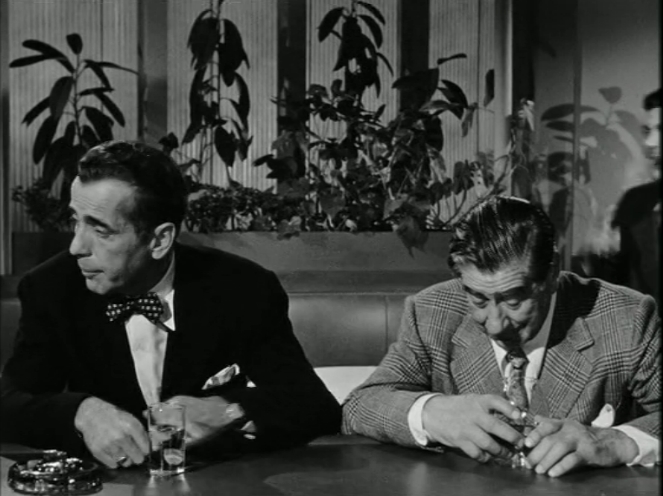
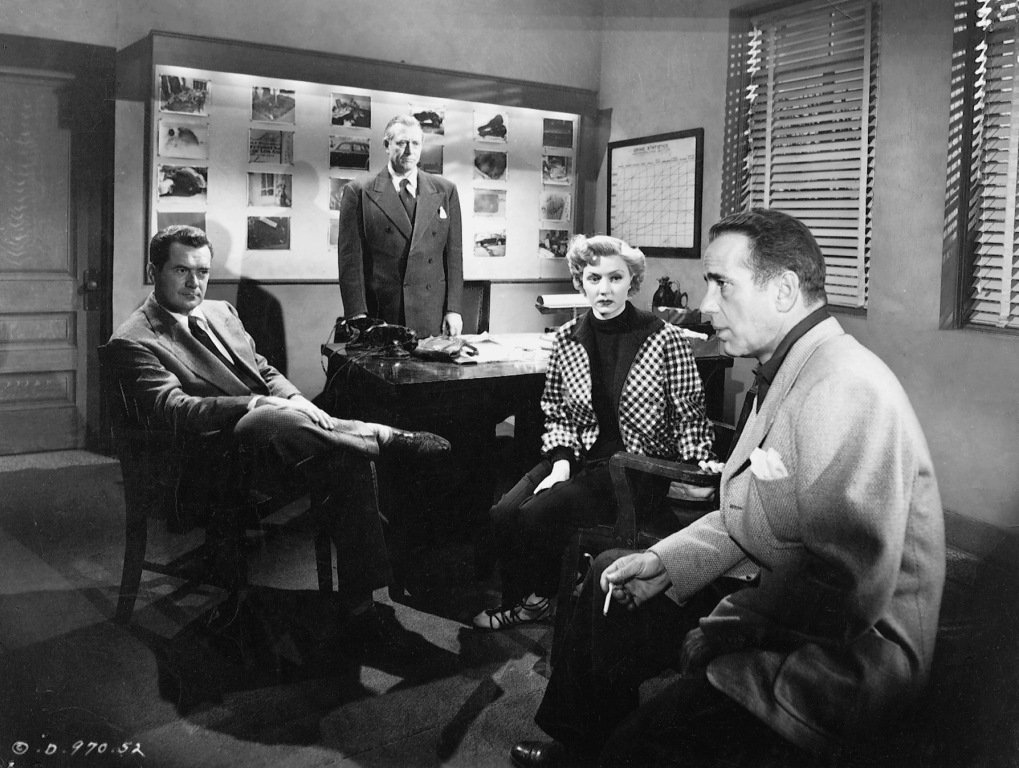
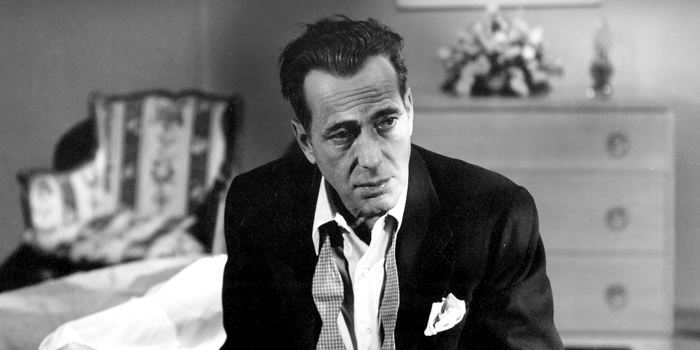

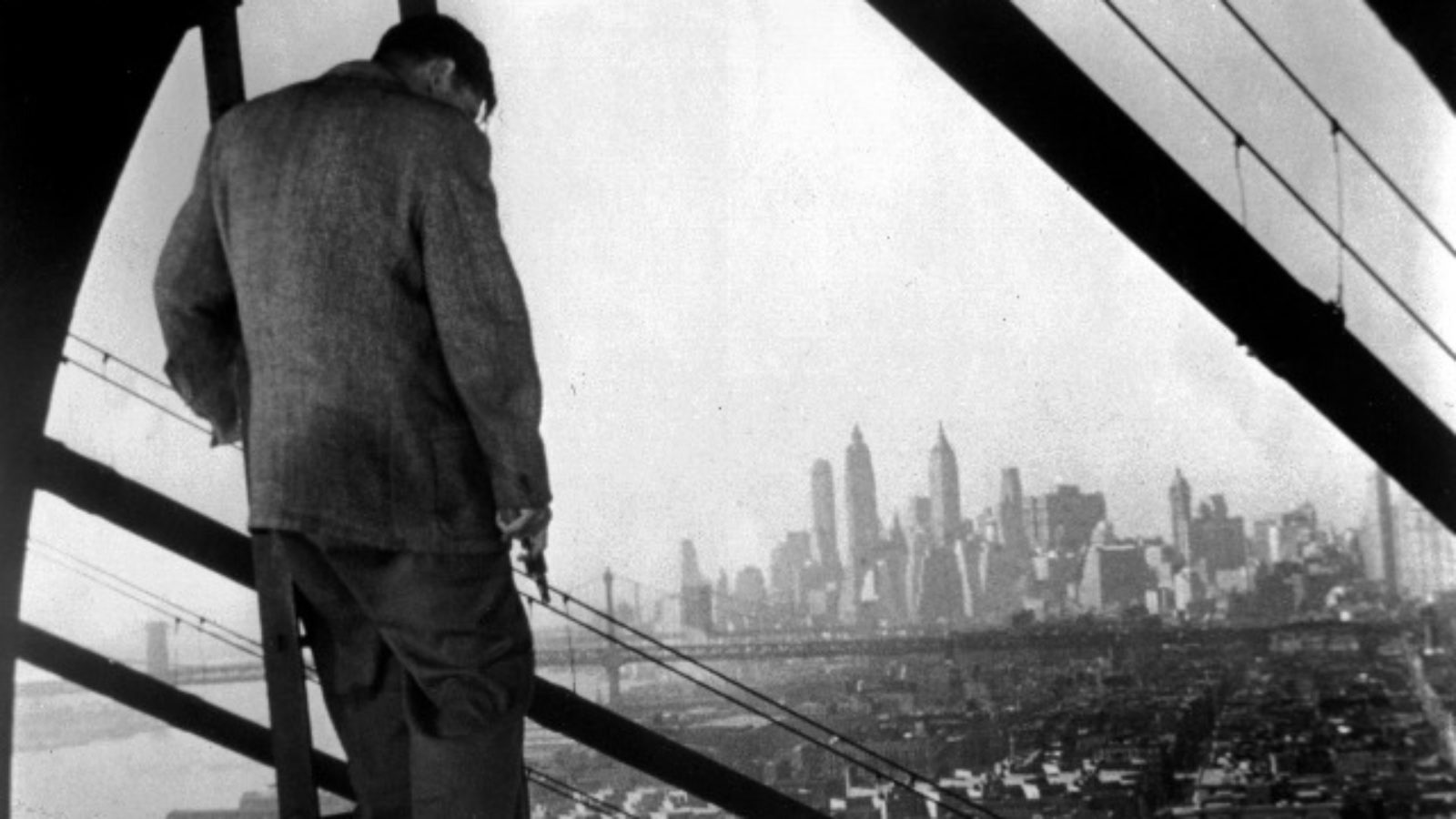


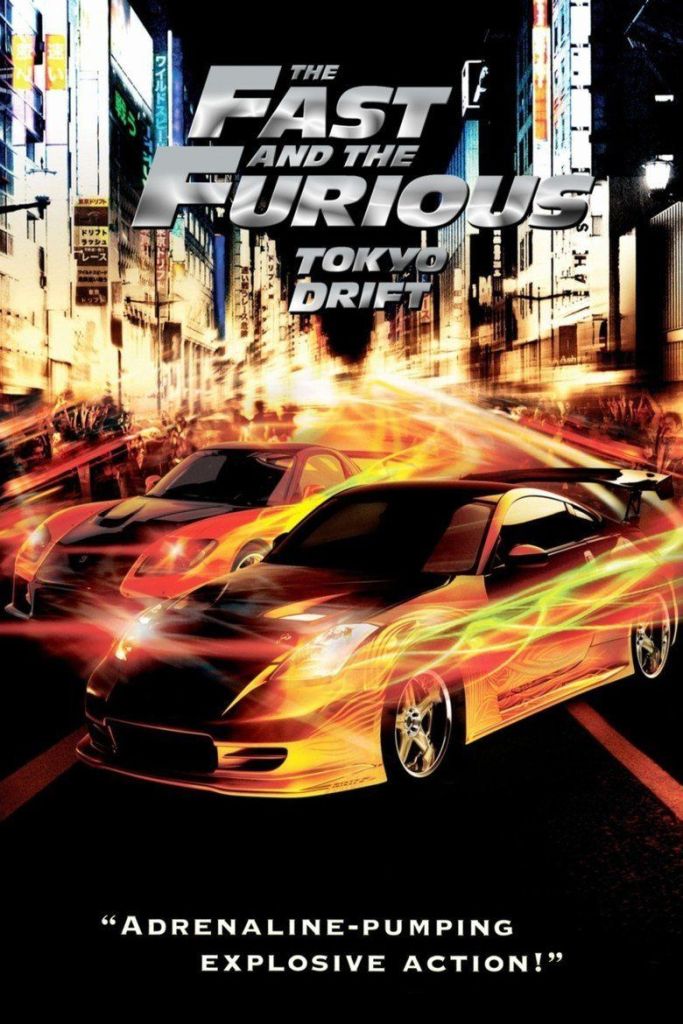


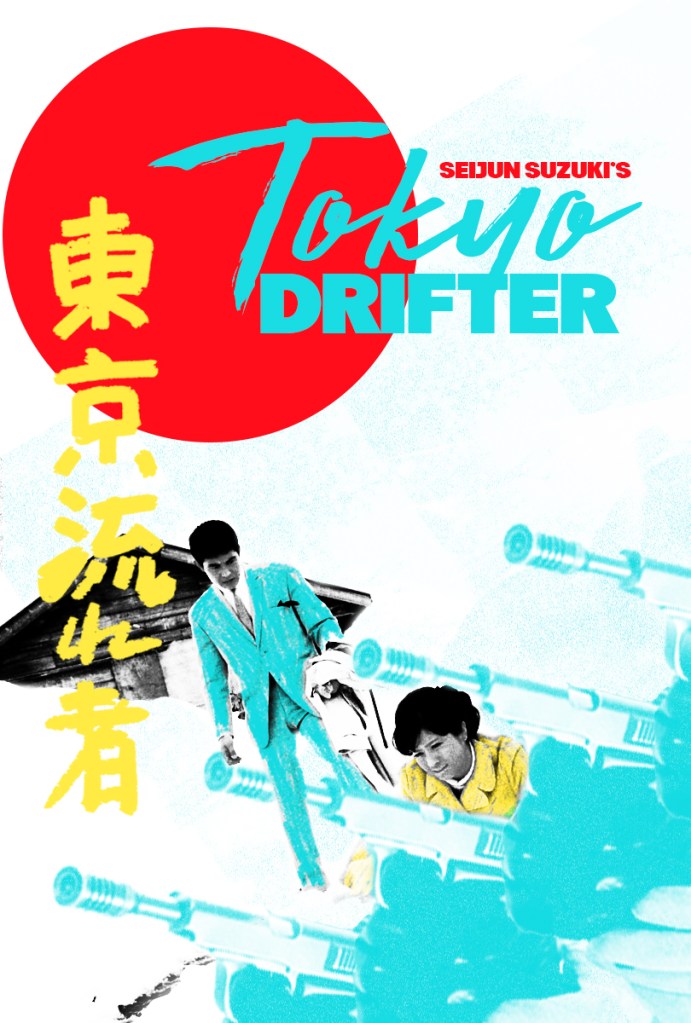



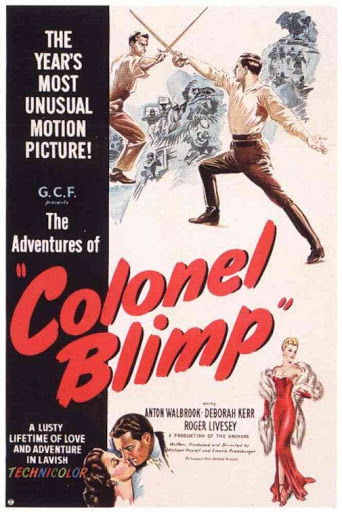
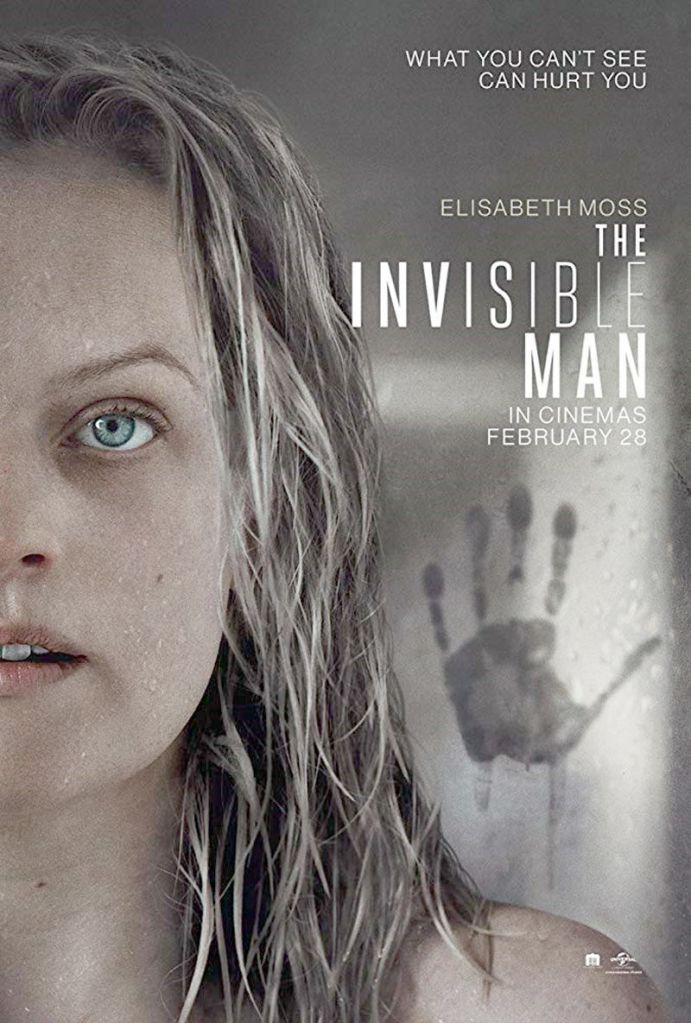


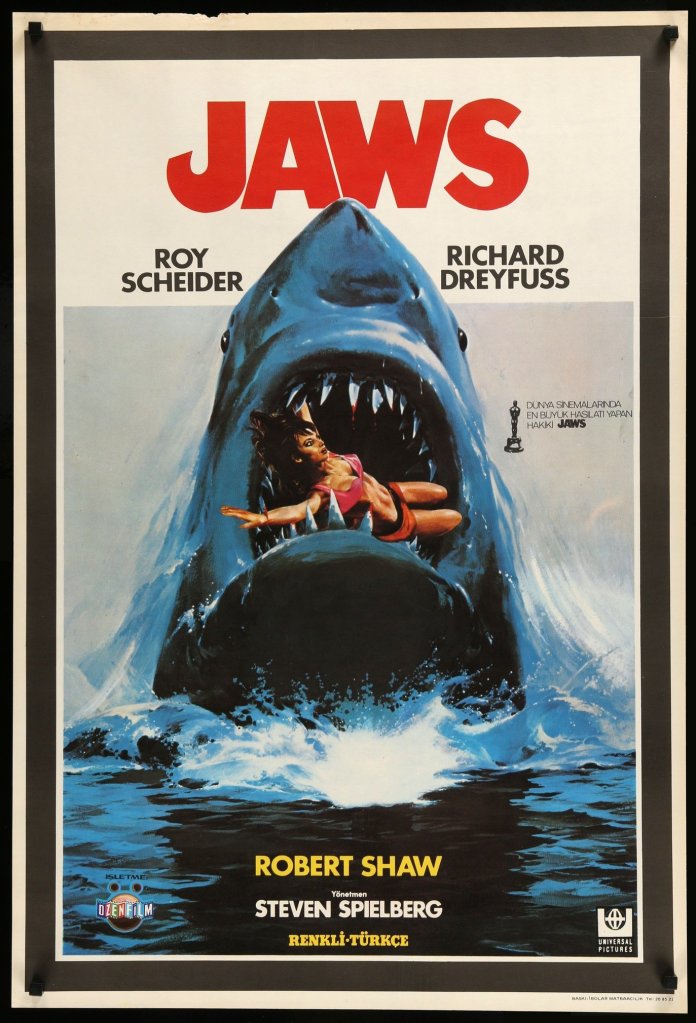

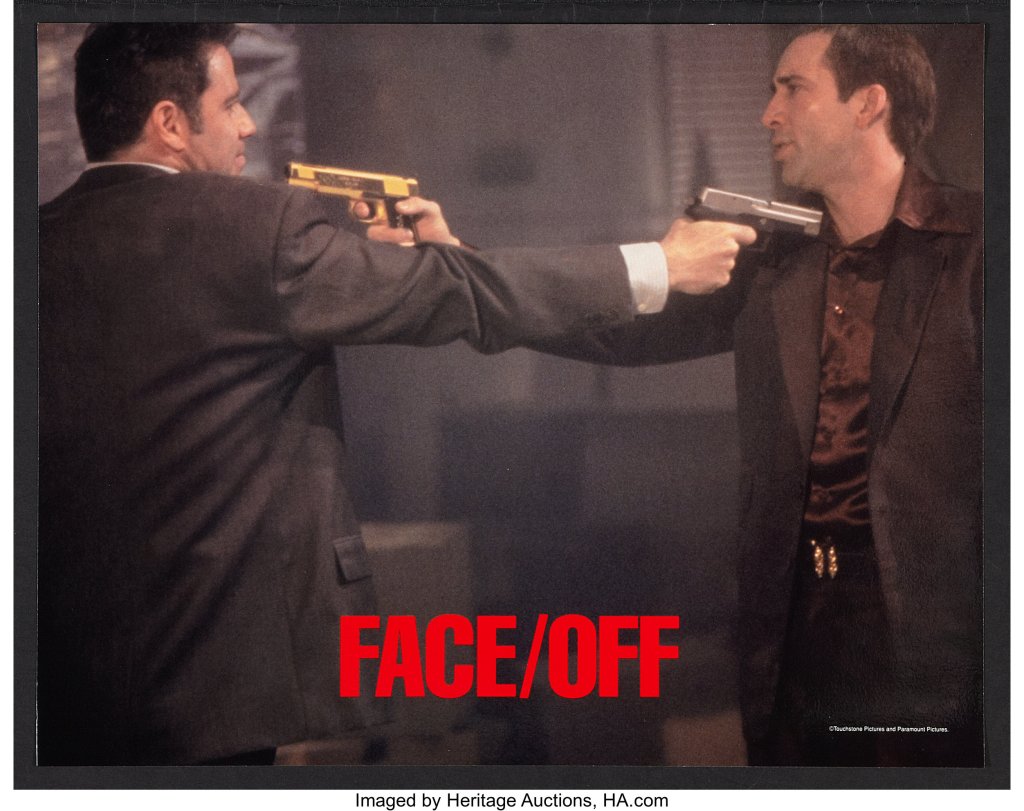

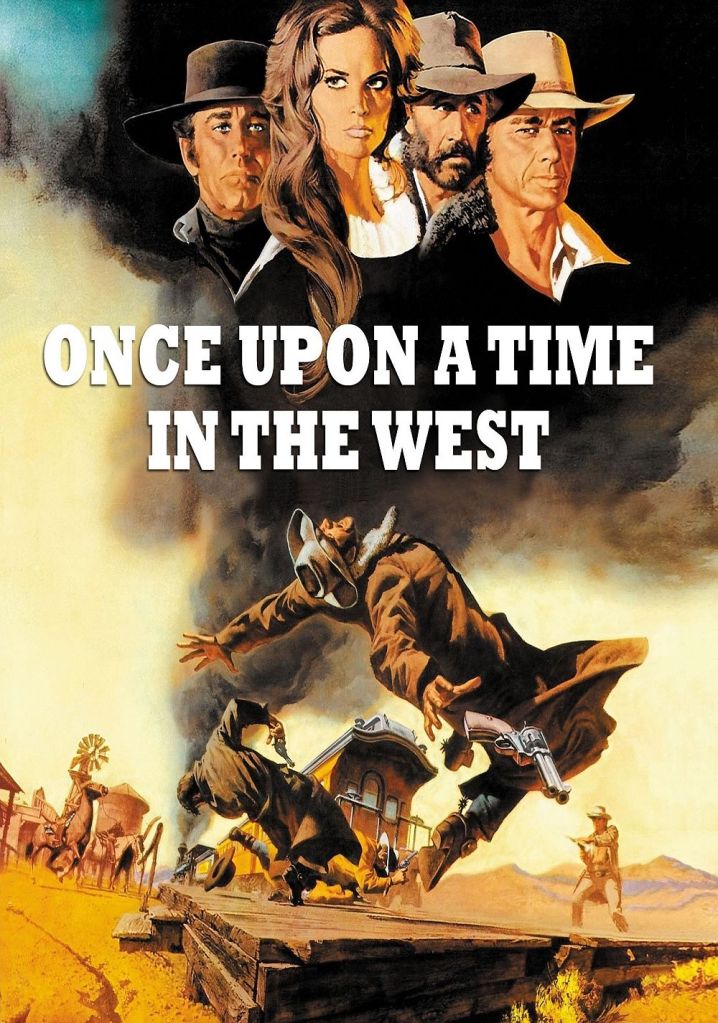


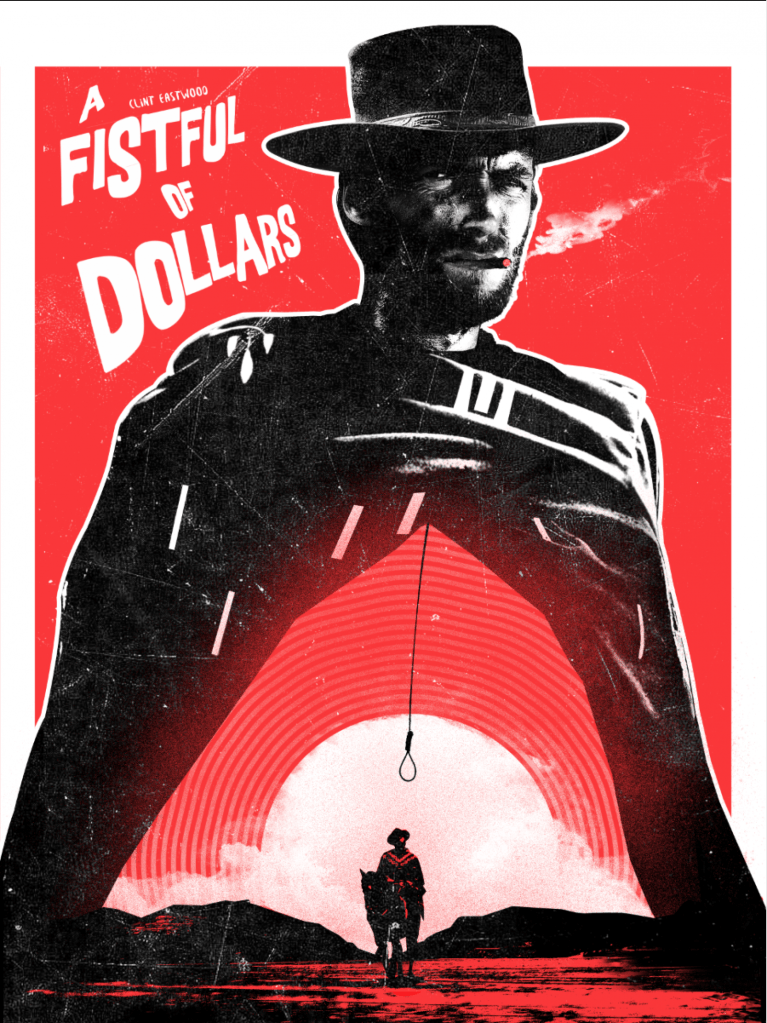
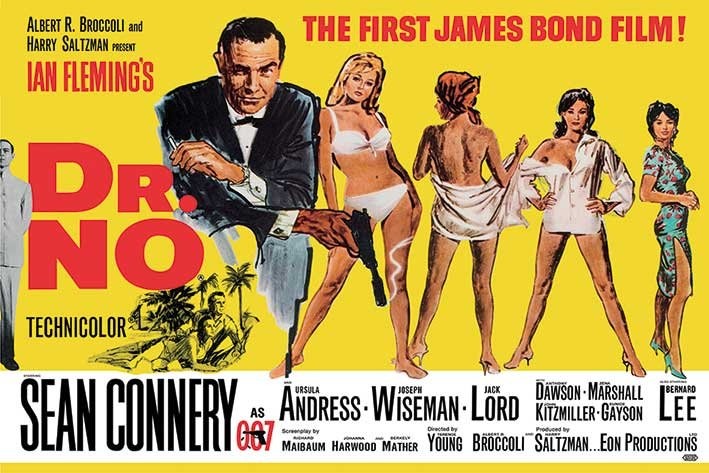


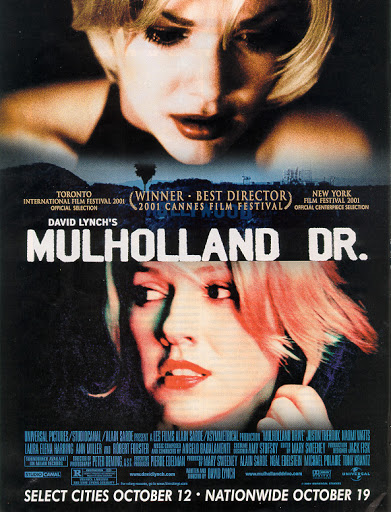
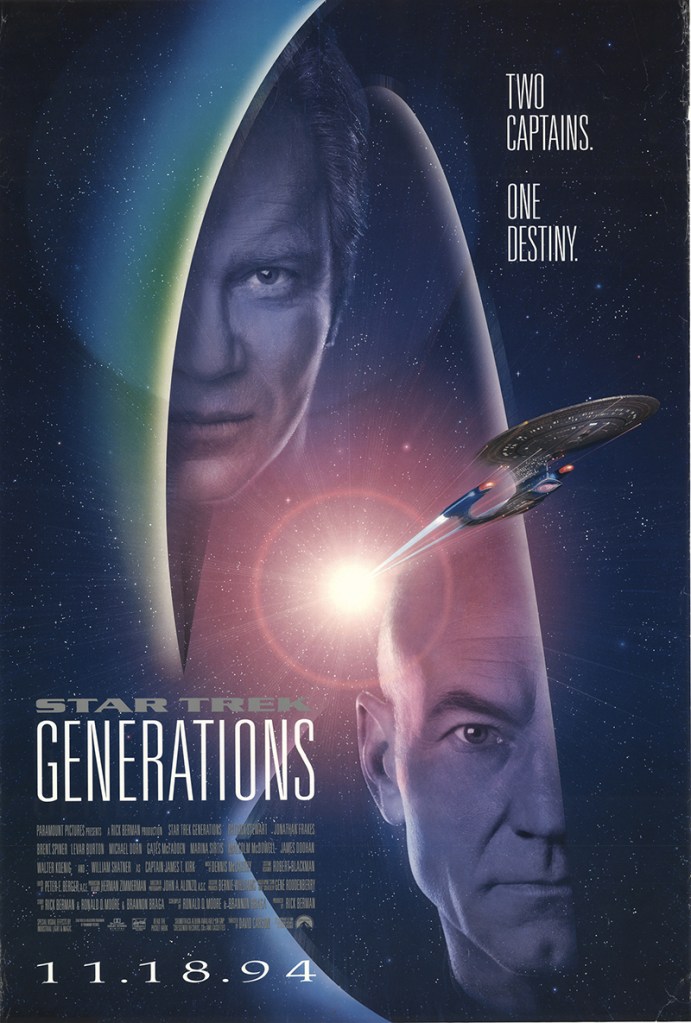


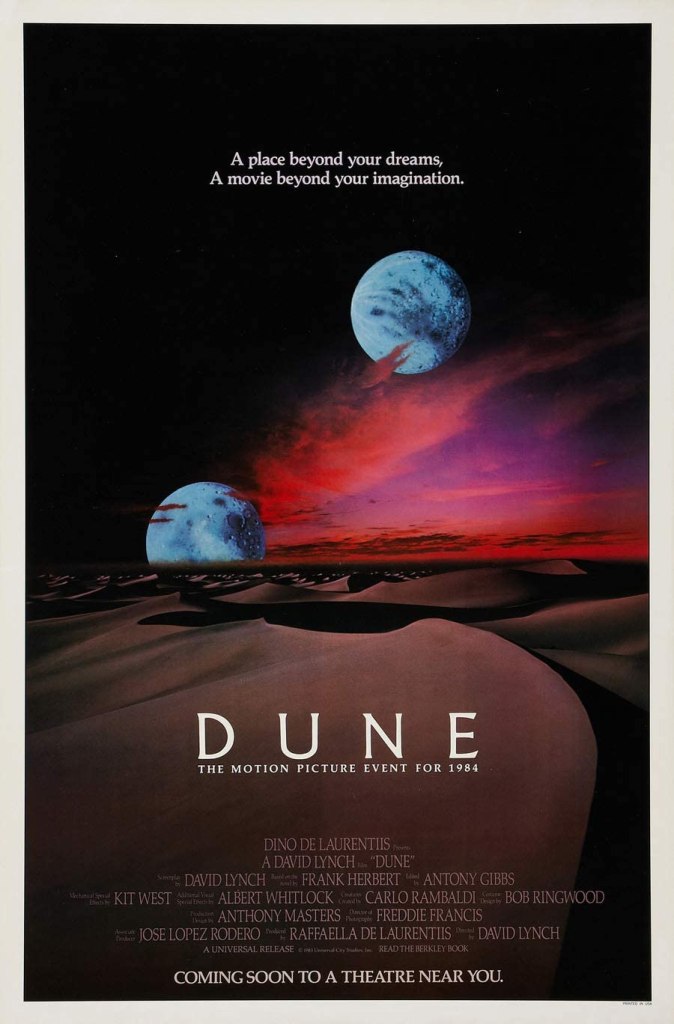





 spacecortezwrites