film

Review: A Quiet Place

Written by Bryan Woods, Scott Beck, and John Krasinski and directed by Krasinski, “A Quiet Place” is an intelligent and intimate thriller that expertly showcases Krasinski’s skill behind the camera as well as in front of it. This is Krasinski’s third time in the director’s chair when it comes to features, his first two, “Brief Interviews with Hideous Men” and “The Hollars” were both comedies with drama sprinkled in, though he also directed a few episodes of The Office. None of which suggest the talent and brilliance laying dormant within Krasinski for his third time at bat in “A Quiet Place”. I didn’t know what I was about to witness after buying my tickets to this particular showing, I had a night off from work so I looked at the showings and randomly happened upon the monster movie- some word of mouth around the internet from critics I trust seemed to suggest it would be a good time at the theater, and they weren’t wrong in the slightest. In the opening scene we’re introduced to the family Abbott in an abandoned grocery store. The parents (Krasinski and Emily Blunt) and three children all seem tense, barely making a sound as they carefully scatter about on the balls of their feet looking for supplies. They use sign language to communicate between others and through some clever use of sound editing we notice that one of the children (Millicent Simmonds) must be deaf. As they leave the store newspapers flutter in the wind as you can see the headlines read in bold letters, “IT’S SOUND!” consuming the page. I won’t divulge into details that one might consider spoiler territory, but it’s quickly established that any noise above a muted whisper is met with brutal violence from the monsters lurking just beyond sight.

5ac388737a74af1a008b45b3-750-422

This film is a masterclass in efficiently showing you everything you need to know about every member of the family and how they all interact with each other through this world changing scenario. Since there is almost no spoken dialogue in the film and few signed lines, we’re inclined to study each character’s face and body movements more than a film might normally require of its audience. The film’s world and sense of danger are exquisitely portrayed in the first half of the movie. We’re introduced to the threat outside and how very real it is, we see how they survive through careful planning and awareness of their surroundings, and we see them trying to live a normal life amidst this ever present terror. At the beginning of being seated in my theater, I was worried that the crowd might be too noisy for this film. The audience was laughing and chatting, eating and coughing all throughout the trailers- but as soon as the opening scene captured everyone’s attention with rapt bated breath, I knew I was in for a treat. This is a film where precise sound design is key, it was utilized with such perfection in order to ratchet up the suspense as much as possible at any given moment that it seemed almost cruel in it’s execution, it was almost too good!

screen-shot-2018-02-12-at-180058

What I loved most about the film was that, much like “Jaws”, the focus wasn’t on the unseen threat awaiting our characters, it was on the people at risk themselves. The monsters, or aliens, or whatever they were (it’s really unimportant as to what exactly they are) weren’t overused, though they do show themselves eventually, the simple fact that they were nearby created an unsettling atmosphere that was prevalent throughout the film’s runtime. The second half of the film is almost entirely steeped in suspense. Krasinski pulls from masters like Hitchcock here in that once things start to go off the rails for the family Abbott- there’s always another problem that exponentially increases anxiety and tension. He never lets the audience go once he’s got you, splitting up the various family members for one reason or another comes with a lot of variables and everything that can go wrong does!

a_quiet_place_still_3

After this film, I know I’ll be paying attention to whatever projects Krasinski’s working on, because this shows great potential. “A Quiet Place” is a classic thriller that’s incredibly clever on several fronts and I imagine it will be a favorite among audiences from here on out! This film may be the evolution of a master at work, only time will tell!

Final Score: a million unsaid things and several screams!
film

Review: Mute

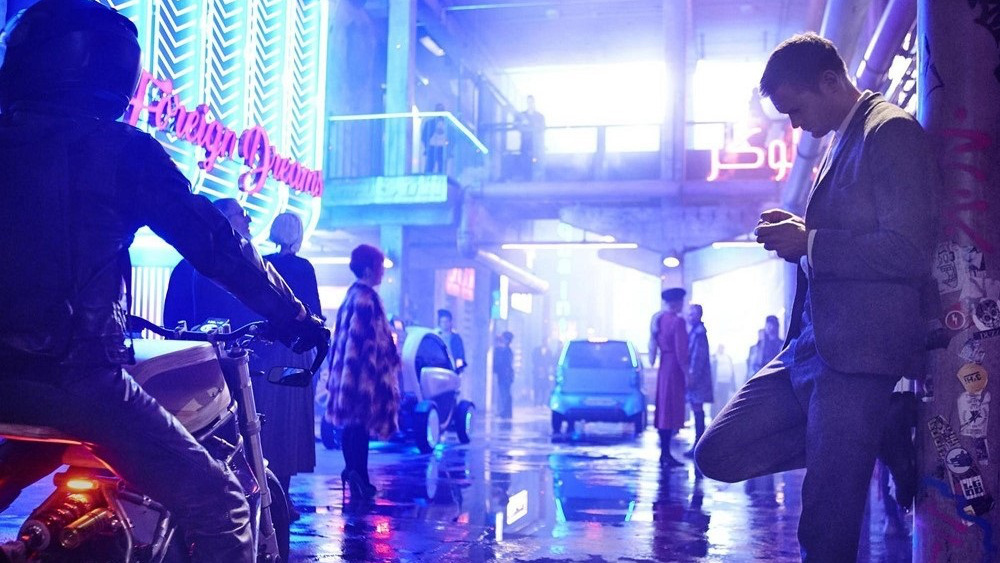
Written by Michael Robert Johnson and Duncan Jones and directed by Jones, “Mute” is a futuristic sci-fi neo-noir that follows Leo (Alexander Skarsgård) a mute Amish man living in Berlin some forty years in the future as he searches for his missing girlfriend Naadirah (Seyneb Saleh). This is Jones’ fourth feature, but his first to be released through Netflix, which gives me even less of a good reason to have missed it until now. However, that being said, the film seemed to have been mired in a quagmire of sour reviews upon its release and I was perplexed by this given the enticing trailers. The film looked to be a unique take on the Blade Runner format with a few twists and turns of its own. After giving it a watch, I can see where some complaints make sense, but overall I enjoyed the film as a whole.

mute-first-look-3

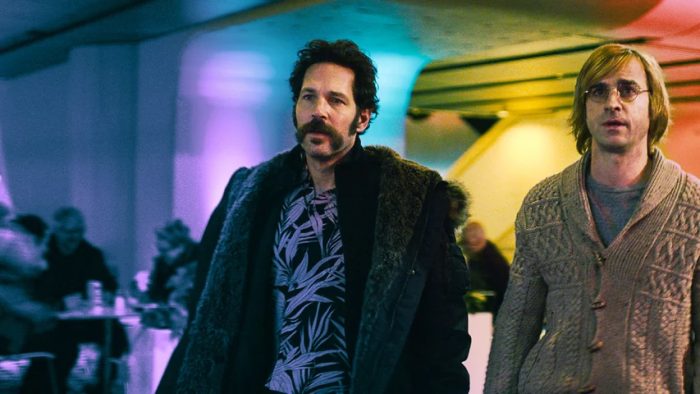
There are several aspects of the film that stand out to me and what save it from getting too bogged down for its own good. The casting was a unique array of actors but the most worrisome of the bunch was Paul Rudd and whether or not he’d be able to deliver a compelling, and convincing, villain. A villainous turn may have seemed antithetical to most of Rudd’s past work, but his role as Cactus Bill turned out to be my favorite part of the movie. He portrays a nasty, rude, and entitled American soldier that went A.W.O.L. after a recent war in Berlin. Cactus Bill is volatile and unsettling at moments, but he’s also a father figure throughout the movie carting around his young daughter as he goes about trying to illegally obtain new passports and IDs to get out of town. His partner in crime is Justin Theroux’s ‘Duck’ the inverse of Cactus Bill. Duck speaks softly and wears outdated professor-marketed wool sweaters, but he too shares a darker identity that becomes more visible as the film goes on. Both are former military surgeons that work in tandem with Russian (I assume) mafia figures needing to be stitched up. These two garner a hefty amount of the plot and a lot of the attention away from Skarsgård’s Leo, luckily they earn their screentime.

mute-full-cast-list-soundtrack-netflix-700x394

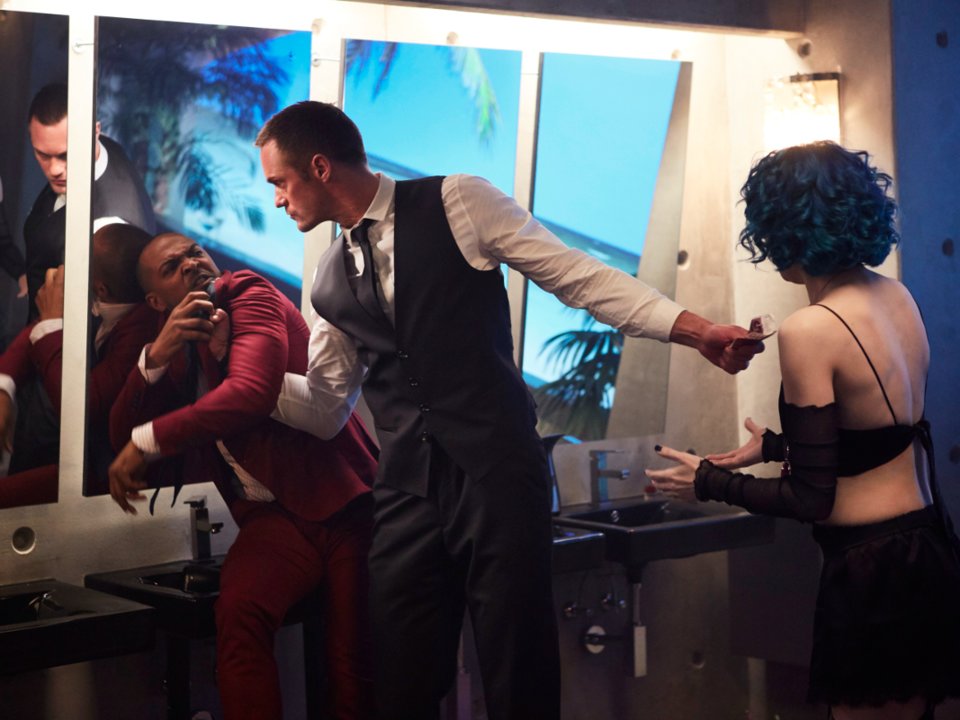
Speaking of Leo, his anchor in this story is formed based on his upbringing and the beliefs of his family that led to his muteness. After a tragic boating accident that shredded his vocal chords, Leo’s mother declined surgery citing that Only God can help him now, and thus we have our voiceless hero. Fast forward to Leo’s adult life as a bartender in a shady club run by criminals and we see the different shades of his life folding in on one another. Naadirah also works at the club where we witness Leo’s righteous wrath on several patrons after they crudely harass her. His stoicism and height lend to this handling of justice, however his occupation does not. Put on the bench by his superiors Leo steps back as tries to keep his life with Naadirah safe. Therefore, she disappears a few scenes later and Leo kickstarts his detective storyline as he desperately tries to track her down. The other idea in the story that stayed with me after the movie was the idea of an Amish man living in the futuristic world of Neo Berlin. The film did a good job of making his life in this world feel authentic, his apartment and his mannerisms play into that idea efficiently.

5a8f25ea391d945a058b45f3-960-720.jpg

There are some rough edges to this film though. The meshing of storylines between Leo’s quest to find Naadirah and Cactus Bill’s journey to escape Berlin isn’t always smooth. Ultimately the two storylines end up being far more linked than expected, but the atmosphere and feel of them isn’t as cohesive as it could have been. There’s also a scene in the third act that’s built up as something that could be more than what it ends up being, and it’s simply anticlimactic, which is a bit of a bummer. The film also goes on for about twenty minutes, or so, longer than I feel it needs to. It lingers longer than is needed and somewhat overstays its welcome because of this. Though if you’ve seen Duncan Jones’ first film “Moon” there are several entertaining cameos by Sam Rockwell’s Sam Bell on Television in the background of some scenes, there’s even a few recurring graffiti images of Bell throughout Berlin’s streets.

“Mute” is a good time in the end, even with a few uneven sides. It’s nowhere near as bad as the majority of reviews seem to have deemed it, I suggest giving it a watch if only to see Paul Rudd’s rare villainous appearance.

Final Score: 2 criminal surgeons and 1 good ole fashioned Amish beat down 

“Mute” is currently available on Netflix.

film

Review: Best F(r)iends Vol 1.

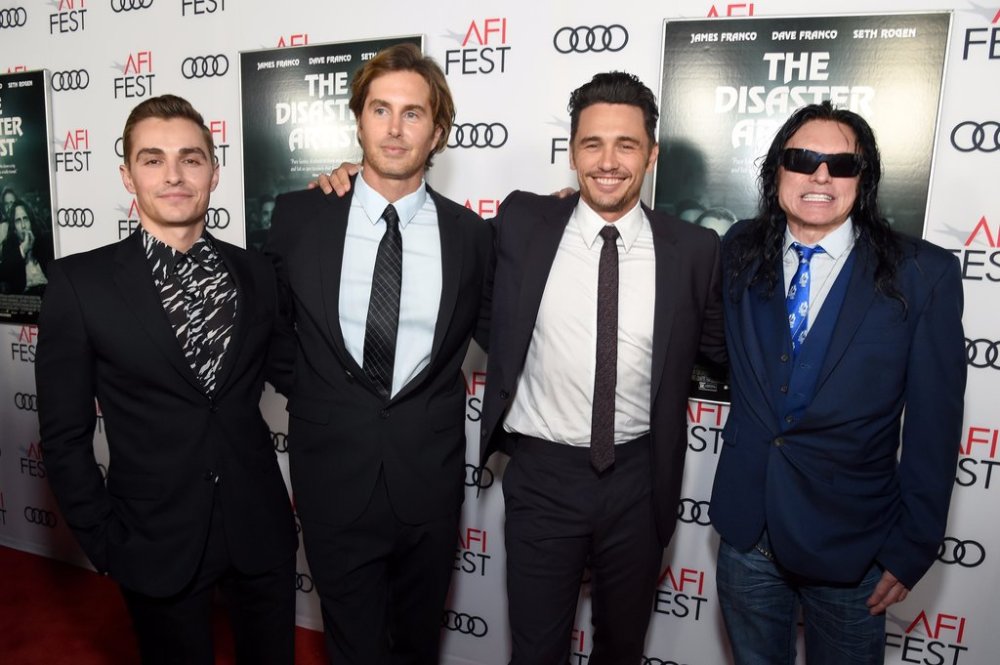
Written by Greg Sestero and directed by Justin MacGregor, “Best F(r)iends” is the reunion piece of the infamous duo behind “The Room” in Greg Sestero and Tommy Wiseau. This time around with Sestero taking the writing and producing duties and outsourcing the directorial workload to MacGregor, Tommy Wiseau’s only focus was on the craft of his acting. Which was indeed, a wise decision. Okay, first, we must pause. If you missed “The Disaster Artist” this last year and have no idea what “The Room” is, then you’re in for a world of questions.. and possibly concerns. Tommy Wiseau was the writer, director, star, and producer of “The Room” a midnight movie cult unicorn of sorts released in 2003. Several critics at the time labeled it as the worst movie of all time but after awhile it garnered a status all its own for all of the curious filmmaking decisions, the enigmatic screeching of Tommy Wiseau’s lead character Johnny in particular, and the plot threads left unexplained. In fact I heavily suggest giving “The Disaster Artist” a watch before diving into “Best F(r)iends” to know whether or not this is something you might enjoy. Back to the movie at hand though.

Best-Friends-sign

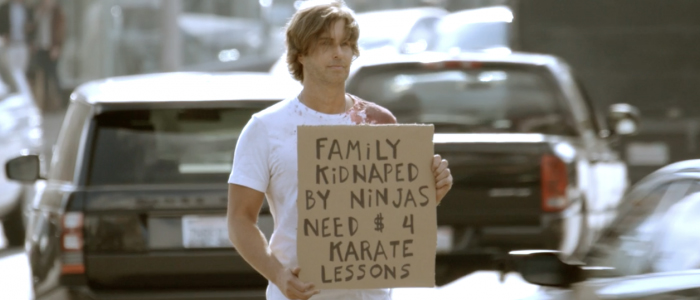
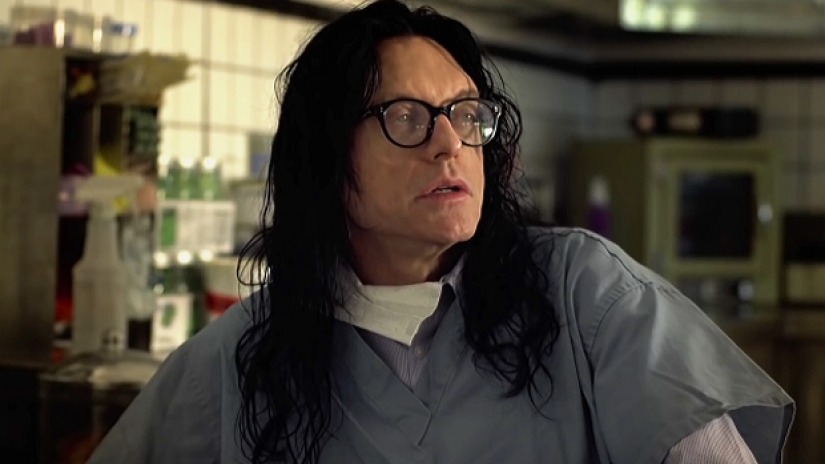
“Best F(r)iends” begins with a bearded and bloodied Jon (Sestero) waking abruptly a la Daniel Craig in “Cowboys and Aliens”. He’s a drifting homeless veteran that makes clever panhandling signs around Los Angeles. Shortly after we’ve been introduced to Jon we’re given creeping shots of a hearse with a purple underglow and purple headlights (the headlights are purple in some scenes and regular in others) seemingly stalking him. Enter Harvey (Wiseau) the mortician. Jon happens upon the alleyway where Harvey’s morgue operates and as the odd funeral director is pulling a casket from the back of the hearse he heckles Jon for help. Thus begins a beautiful f(r)iendship. Harvey proposes that Jon work for him (although he seemingly forgets this later and harasses him for looking homeless [several times] and not having a job or money) at the morgue and the mute (for some reason Jon is voiceless before he meets Harvey) Jon agrees.

tommy-wiseau-best-friends

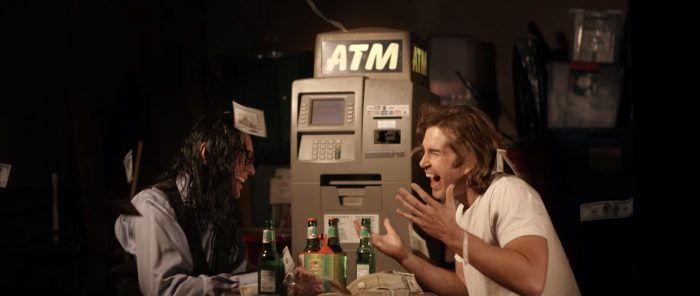
The plot from there revolves around Jon seeing the potential in Harvey’s work with boxes of gold fillings from the dead just lying around and they quickly start a trade in the black market of dental scrap. There’s some actual drama in the film and perhaps it only works because of the surreal and weird nature of the film as a whole, but I was honestly impressed with a few scenes. However, that is not why I, nor most came to see this movie. We came for the mistakes, the gaffes, and the specifically curious decisions that went into the production of the movie. For example, there is a number of shots spread throughout the movie that are in slow motion.. for no reason at all. There doesn’t seem to be any rhyme or reason to it and it constantly resulted in bemused laughter in my theater. There’s plenty of random things in the background of shots that also produced bewildered guffaws- like random boxes with the label “Mouth Stuff” written in sharpie. Or the fact that the DVD of “The Room” is hidden in several scenes. Or the more obviously odd choice of keeping their black market funds in an ATM in a shed.

the-rooms-tommy-wiseau-and-greg-sestero-reunite

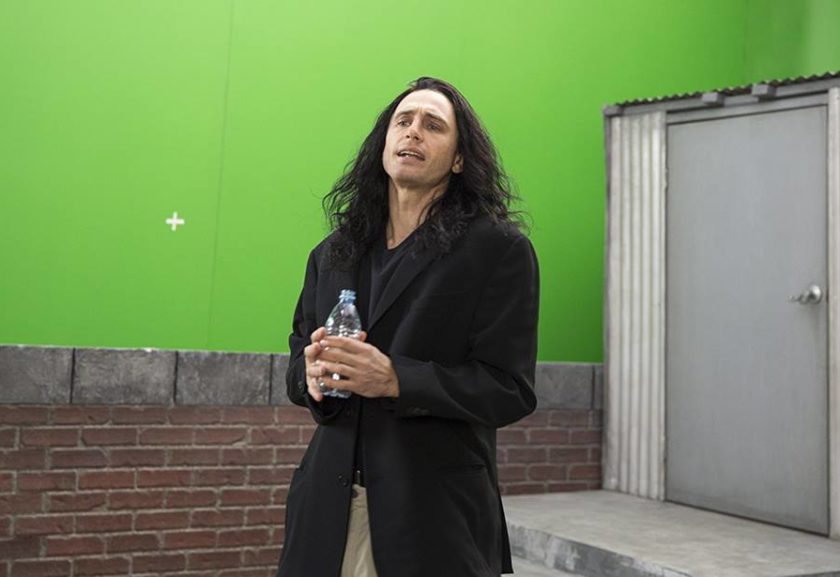
The movie has a few things going for it that take it a step or two above the quality of “The Room”. There is better cinematography this time around, the equipment they have access to is more polished- but some things are still out of focus at times (though this is rare compared to “The Room”). The score is unwieldy, but in the best sense. It plays over a string of montages granting the film a more absurdist texture- which helps to enhance the strangeness of everything surrounding it. The writing is better, but definitely stilted and unnatural, which could have been intentional this time around. As Sestero wrote the screenplay instead of Wiseau, you can only imagine that this must be a pairing of his perception of his oddball acting partner along with all the intricacies that Wiseau himself brings to the table. Which brings me to the greatest asset of the film, Tommy Wiseau. This time the weird and awkward elaborateness of Wiseau plays into his character which allows him to be as untethered and as quirky as he feels he needs to be. Wiseau has startling and screeching one liners such as “YOU CANNOT BREAK ME!” when he’s only been startled by Sestero’s Jon in the alleyway when he already knows who Jon is in the story. He sings some of his lines for no known reason and his, many, non-sequiturs inspire a whimsical brand of madness that is uniquely, and unequivocally, Wiseau. Sestero on the other hand, seems to have gotten better at acting in the interim. He does a surprisingly effective job of holding a sadness in his eyes, but he can often be seen acting, where the illusion is broken and the audience may feel as though they are watching college theatre, but God bless him, he tries.

Final Score: Hundreds of gold fillings and 1 dead clown

The movie ends with their version of a Marvel stinger for the second Volume coming in June, and I have to admit it- I’m gonna have to go see it. The first Volume was entertaining enough, plus the second half looks to be possibly more insane than the first!

Best F(r)iends Vol 2. will be released through Fathom Events on June 1st and 4th nationwide.

film

Review: Ready Player One

Written by Zak Penn and Ernest Cline and directed by Steven Spielberg, “Ready Player One” is an adaption of the pop culture obsessed book written by Ernest Cline in 2011. As someone who read and enjoyed the book several years before the film’s release, I was looking forward to an adaption of it. I never in my life expected Steven Spielberg to be the one to adapt it though, and it had me ecstatic over the possibilities. Though, with many studios and entertainment companies re-doing major popular franchises since the book’s publication there was some concern over the nostalgia overload that this title could be a part of. There was the danger of taking popular characters, much beloved titles and art (in general), and utilizing them purely for the maligned and profit seeking purposes of member-berries. Which would ultimately undercut the whole point and heart of the story. Luckily the right hands were guiding this film and the heart imbued in the book, with a focus on what makes pop culture so loved by so many people, stayed intact.

Ready-Player-One

I’m getting ahead of myself though. “Ready Player One” is about Wade Watts (Tye Sheridan) a teenager living in Columbus Ohio in the year 2045. His life in the real world is fairly awful, he lives in ‘the stacks’, a slum of welded together trailers stacked on top of each other with people crammed together inside them living as best they can. Wade lives with his aunt and her abusive boyfriend as his parents had died when he was young. We get a few lines describing the poverty of the age, how after the corn-syrup droughts and the internet blackouts most people simply tried to survive instead of trying to solve the problems in the world. Most have devoted themselves to living through the virtual reality system known as the Oasis. Though the Oasis itself, while given a good quick explanation of what it was in the beginning of the movie, is actually a much larger part of society in the book than what the movie mentions (though, my few nitpicks are really just the sacrifices that one has to take when adapting a book to film).

DQv5_mVVoAAeNn7

The movie doesn’t quite accurately present the scale of what the Oasis means for society in the world of 2045. It’s not just games and quests, the digital currency in the oasis is what the real world runs on now. More than that though, the Oasis reinvented the education system; kids hologram into their classrooms from around the world and learn and interact via this system. People take their vacations in the Oasis, they love there, they kill (avatars) there, steal there, thrive there, squander their money and lives there. The Oasis is the internet a thousand times over. It’s taken over the brick and mortar institutions of the real world and given imagination and escape a currency. At the core of this world evolving technology is James Halliday (Mark Rylance), the tech guru that created the Oasis, and who upon his death released the greatest challenge the world had ever seen. He had hidden an Easter egg somewhere within the Oasis. All a user had to do was solve a few riddles, complete several challenges, and win three keys which would grant said user the sole rights and proprietorship of the Oasis earning Halliday’s half a trillion dollar riches left behind and control over the most powerful company in the world.

636573171667454204-RPO-FP-083.jpg


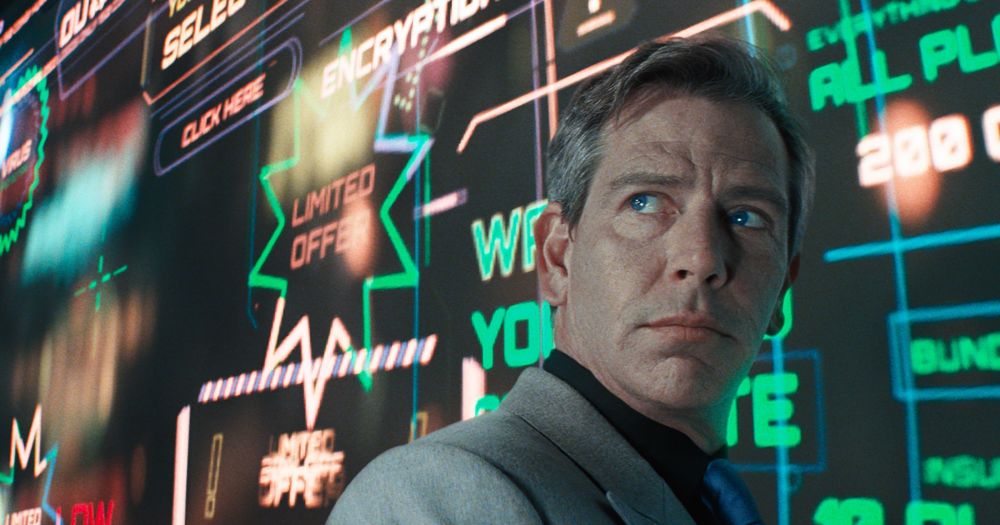
Which of course means that there’s an evil corporation out there trying to find Halliday’s egg too. Innovative Online Industries (IOI) is headed by Nolan Sorrento (Ben Mendelsohn) a smug clean-cut suit that perfectly embodies The Man. IOI utilizes forced servitude through bankruptcy and fees to amass an army of players that they run through the various challenges in an attempt to overwhelm and swarm the competition to victory. The normal players dub this amorphous group the sixers as every sixer is only identified by a string of numbers, all of which start with six. So, as you can imagine the movie dives into a fun, but predictable, plot of rebellious youth fighting the power hungry corporation run by an out-of-touch old white guy. Which I am completely fine with if the movie is handled well and entertaining. For me, “Ready Player One” does just that.

readyplayerone

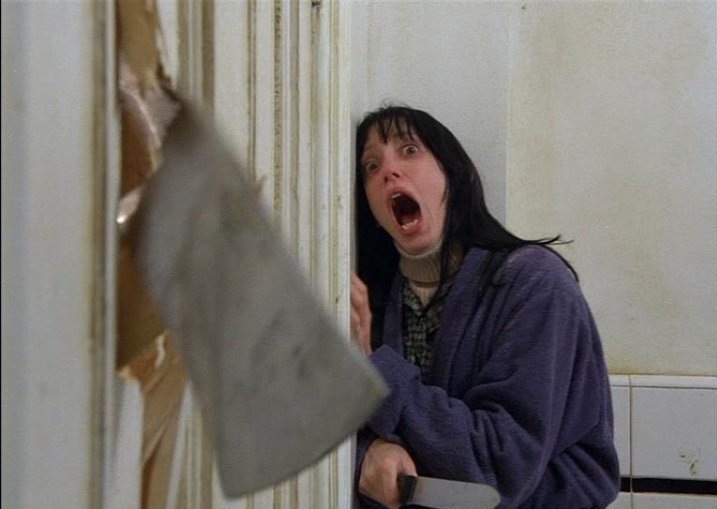
Wade and his friends Aech (Lena Waithe), Art3mis/Samantha (Olivia Cooke), Daito (Win Morisaki), and Sho (Philip Zhao) are some of the few users that are still trying to complete the quest five years after everyone else had abandoned the idea. The challenges themselves are fairly different from the book’s challenges, but they’re all in the same spirit as those in the book. The first one being a race through New York City with ramps, traps, and obstacles aplenty-like King Kong for example. While this is vastly different from the book Spielberg kicks off the film with this thrilling sequence that is in itself in adoration of a good race. I won’t go into great detail about the other two, but the one second challenge was an absolute joy to watch, I’ll just note that it heavily involves the movie version of “The Shining”.

b0164778_20184681.jpg

Honestly, I went into this film with hope, but measured expectations. If you think this is the sort of film or story you’d enjoy- then I expect you might really have fun with this movie. However if you came to this movie looking for the most thought provoking or profound ideas, then I’m sorry but you came to the wrong theater. I’m not downgrading the movie in this way, its just that this isn’t the story for you if that’s what you wanted. This is a movie that is in love with pop culture, yes, there are characters and imagery from pop culture charging across the screen throughout the run-time, but it doesn’t seem shameless in its depiction, or as haphazardly contrived as it could have been in lesser hands. This was, for me, the first time in years that Spielberg has recaptured his former filmmaking magic that has been missing in most of his post-millenium work. I had a thoroughly good time at the theater, and I definitely give it a recommendation.

Final Score: Three Keys and 1 Easter Egg

film

Review: Pacific Rim – Uprising

Written by Emily Carmichael, Kira Snyder, T.S. Nowlin, and Steven S. DeKnight and directed by DeKnight, “Pacific Rim Uprising” is the sequel to Guillermo del Toro’s initial film featuring giant robots fighting giant monsters in 2013. Uprising takes place ten years after the end of the first film and focuses on the son of Idris Elba’s Stacker Pentecost, Jake (John Boyega). As the film likes to point out on several occasions, Jake is not his father, and there’s a feeling that the screenwriters’ would like you to measure your expectations as this film is not Guillermo’s either. Which isn’t to say that the sequel isn’t fun, it has plenty of giant robot fighting action to sate the core audience, rather the film simply lacks the stylistic touches that Guillermo brought to the genre film the first time around. When the action does begin though, it is pure genre fun.

Pacific-Rim-LA-RIVOLTA

This film has a harder place to begin with than the first, how do you follow up cancelling the apocalypse after all? Set during a rebuilding post-war society, there’s less inherent drama to drum up the tension, so the focus falls to Jake and his run in with Amara Namani (Cailee Spaeny) a young upstart Jaeger engineer who’s built her own pint-sized mech. While Jake had reaped the benefits of a broken world on the black market, Amara had built something from it- illegally though. When they’re both caught and turned in, they are given a choice, recruit to the PDCC (Pan Pacific Defense Corps) or imprisonment. Once they arrive at the shatterdome the story follows some atypical Top Gun style cadet infighting with Scott Eastwood using his father’s likeness to great effect as the lead Ranger Nate Lambert (Jake’s former Jaeger co-pilot) before turning our attention to the returning characters from the first film.

Pacific-Rim-Uprising-Trailer-2-30

Gratefully, one of the best attributes of this film is that it very much lives and breathes in the world created by the first “Pacific Rim”. The quirks and peculiarities of the first are kept in place, each Jaeger still needs two pilots who need to be drift compatible in order to pilot them, the headquarters of each base the PDCC runs are still called shatterdomes, there are even a few breaches and plot points from the first film that come back in surprising- but spoilery– ways that I feel would be best discovered through a watch of Uprising itself. Speaking of twists and turns, I won’t divulge the details, but I personally found them to be delightfully weird and a fun contribution to the world of Pacific Rim as a whole.

Now, as for the downsides of the film, there’s a noticeable lack of style and atmosphere that the first film was steeped in. There was a few questionable choices throughout the story as well. While Mako Mori (Rinko Kikuchi), Dr. Newton “Newt” Geiszler (Charlie Day), and Dr. Hermann Gottlieb (Burn Gorman) all return in various scenes, the lead from the first film, Raleigh Beckett (Charlie Hunnam), is only mentioned once. His absence from the story is never explained whatsoever, not even a line to say that he’d died in-between films. Another equally confusing decision is the lack of use of the score, or theme, from the first film. It’s brought back for one short montage and never noted on again- which is a shame as the first one used that signature theme as often as possible and helped to craft the tone of the film. Another palpable vacancy is the sense of scale and weight that accompanied the Jaegers and Kaiju in the first film. They were gigantic, yes, but slower in movement while the angles and framing accented the towering nature of these behemoths. Uprising certainly has gigantic and thrilling action sequences, but the Jaegers here are so unrealistically nimble and graceful in their actions that immersion becomes more of an afterthought to the Power Rangers style choreographed fight sequences. My last nitpick here is of the flat lighting. Which, yes, might seem incredibly nitpicky of me, but while this provides admittedly more visual clarity during some fight scenes, it speaks to the overall theme of lacking atmosphere and the touches of artistic quality that comes from a more deft filmmaker.

merlin_135716733_21ef312b-3d76-455d-bef7-f2584c9988a6-master768

Overall I have to say I honestly really enjoyed “Pacific Rim Uprising”. It might not have everything that made the first film special, but it certainly has a lot of what works in this genre of movies- beautiful special effects and lots of visually stunning fight scenes. The film introduced some good new characters and an intriguing evolution to the mythos that I didn’t expect. You probably already know if this is a film you’d enjoy or not, but if you liked the first film, this is a solid sequel- even with a few detracting factors.

Final Score: 3 Kaiju, 4 Jaegers

film

Review: The Disaster Artist

Written by Scott Neustadter and Michael H. Weber and directed by James Franco, “The Disaster Artist” is the true story of the making of the now infamous cult classic/midnight movie extraordinaire, “The Room”. At the center of this hurricane of a film production is the friendship between Tommy Wiseau (James Franco) and Greg Sestero (Dave Franco). The film begins with Greg taking an acting class in San Francisco where he timidly makes an attempt at the scene he’s been given before quietly sitting back down. Immediately after that the acting teacher asks if anyone else would like to make an attempt at the material. One lone voice responds to that call. Tommy Wiseau meanders down the stairs and proceeds to throw everything at his scene, quite literally. He grumbles and screeches, climbs the set structures to jump off and dramatically lay out on the floor- all while wailing without shame. This is Wiseau in a nutshell, confident and shameless-even when his instincts betray his intentions. Greg, meanwhile, is mesmerized by this display of fearlessness and seeks out Tommy after class to seek an attempt at capturing what Wiseau has in spades, confidence beyond measure and consideration. The long-haired and heavily accented force of nature accepts and after a scene in a diner where he pushes Greg to recite some lines loudly while ignoring the onlooking of everyone in the restaurant, they agree to go to Los Angeles to break into acting. These small moments are the foundation upon which the rest of the film rests, two weird nobodies sharing a dream and conspiring to beat the odds and secure that dream.

disaster

This movie could have easily been a joke where the audience laughs at the ridiculous nature and choices of Tommy Wiseau and crew (and admittedly we do), but the film makes a serious effort to never make Wiseau the butt of the joke in a malevolent or mean-spirited fashion. It’s more along the lines of the audience rooting for Wiseau and Sestero, but then laughing when they fail in spectacular fashion. There’s an admirable stab at infusing humanity into the mysterious Wiseau so that we don’t feel as though we’re kicking him when he’s down. Instead the laughter is complimented by a hand offering assistance and encouragement at another go at it.

artista-do-desastre-840x577

After living and striving in Los Angeles for several months with next to nothing to show for their acting efforts, Sestero and Wiseau ultimately decide to try and make their own film instead. With Tommy’s seemingly endless funds and ambition the two scrape together a production crew, and cast the film with much bluster and blundering involved. If you know anything about the basics of filmmaking you’ll find a lot to laugh about. For example, Tommy and Greg go to a film rental shop to get some gear and instead of renting the expensive cameras, lenses, and filmstock, Wiseau opts to simply buy it all, both the film and the video cameras- everything. The budget details for “The Room” must have been staggering and quite amusing. Like choosing to build an alleyway set that looks exactly like the one just outside the studio, or the questionable choice to green-screen the Los Angeles skyline- of which they also have access to. That’s just the tip of the myriad of oddball and expensive creative choices that led to the creation of this very specific movie.

Disaster-Artist-James-Franco-Tommy-Wiseau-Pictures

“The Disaster Artist” is an oddball of entertainment. The Franco brothers did a lot to portray the two midnight movie makers with heart and ambition, and that’s why the film succeeds at the end of the day. Sure, the weirdly acute creative decisions of “The Room” provide hearty laughter with it’s most infamous scenes recreated, “YOU’RE TEARING ME APART LISA!” and “Oh Hai Mark” among many others, but with the grounded focus on friendship and creative ambition against all odds (and then some), “The Disaster Artist” repurposes that same love for the cinema that got so many people involved in filmmaking to begin with. Perhaps the strangest product to come from Hollywood in years, this film was a joy to watch, and laugh with.


Final Score: 158 takes of “Oh Hai Mark”

*Oh and for a more in depth look into the horde of celebrity and comedian cameos in the film, check this out:

https://www.wmagazine.com/story/the-disaster-artist-celebrity-cameos-guide

P.S. The next pairing of these two titans of B-movie mania is actually right around the corner. “Best F(r)iends”, written by Sestero and starring both Wiseau and Sestero, has been described as ‘like a Hitchcock noir- but with Tommy Wiseau‘ So that should be quite the unique piece. I say check it out, (I actually will be seeing this one) you probably won’t see anything like it- their track record indicates as much.

https://www.youtube.com/watch?v=OTu9N40E_MI

P.P.S. It’s also being released in two volumes, a la “Kill Bill”, Vol. 1 will play in 600 select theaters nationwide on March 30 and April 2, followed by Vol. 2 on June 1 and June 4.

film

Review: Tomb Raider (2018)

Written by Geneva Robertson-Dworet and Alastair Siddons and directed by Roar Uthaug, “Tomb Raider” is the third film adaption of the popular video game series of the same name- whilst also being a reboot that in itself is an adaption of the series’ most recent reboot to the video game series that was released in 2013 (whew, that was a lot). Alicia Vikander stars as Lara Croft this time around in a much more grounded take on the action adventure series than the prior Angelina Jolie films (which, I have to say are quite a lot of fun in their own right). In this origin of the character Lara’s father, Lord Richard Croft (Dominic West), became obsessed with ancient myths and artifacts after the death of her mother and had absconded off to a mysterious island in the pacific near Japan seven years prior to search for the tomb of Himiko, the cursed first empress of Japan. Myth and legend shrouded her legacy, but all cite a supposed apocalyptic scenario that would be unleashed upon the world if her tomb were to be disturbed. Lord Croft had pursued the legend with The Trinity at his coattails, an evil organization looking to weaponize the myth. He sought to keep the tomb hidden and out of the hands of the Syndicate… err, the Nazis… I mean… Trinity– yes them, that’s the one.

TOMB-RAIDER-1417.dng

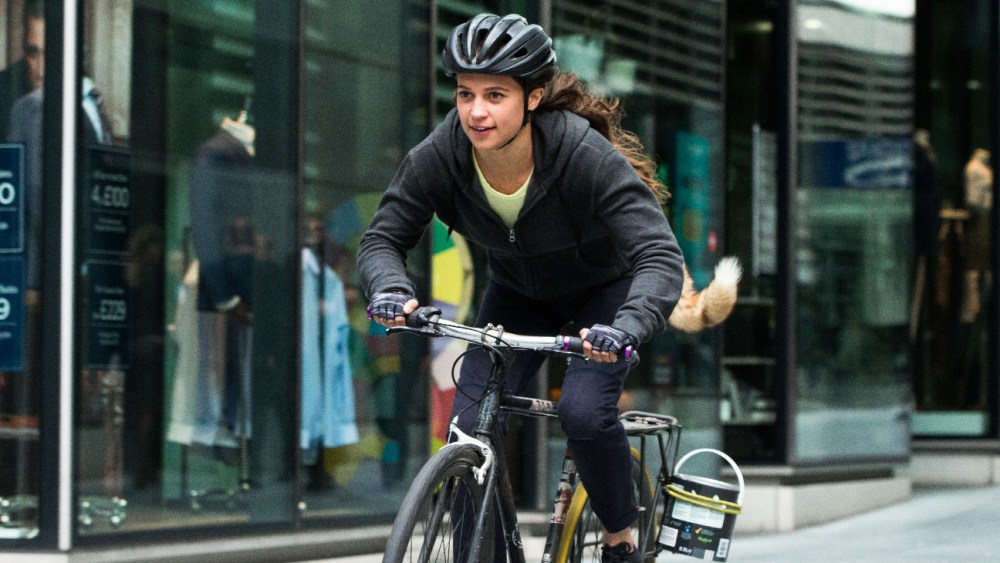
When we meet Lara in the first act she’s living in London on a shoestring budget, refusing to accept her father’s inheritance- signing that contract would be accepting his death. Instead she makes ends meet by training at a small gym and cycling through the crowded streets as a courier. Right off the bat the film sets the mood firmly in the momentum and thrill of Lara’s life. After overhearing the details of a lucrative courier race, in which a paint can is strapped to her bike leaking paint with a fox tail attached and only given a moments head start, she’s accepted the challenge and races through London closely followed by a league of cyclists. This scene was cleverly shot and a fun way to kickstart the film’s energetic sense of fun. Which is one of the film’s best attributes overall.

TombRaiderW.jpg

Once Lara makes her way to the Croft building to begrudgingly accept her inheritance, she’s given a puzzling cryptex that she solves as she’s being read the specifics of her father’s will, as if she were simply fidgeting. As she does so, a key pops out with a clue that leads her to her father’s own tomb- where she discovers the details of his globe-trotting adventures. She’s quickly off to follow his trail and discover the path he took to his death. She ends up in China before long to question the captain that chartered her father to the remote island. Instead she finds Lu Ren (Daniel Wu) the son of the captain she sought. After some squabbling she offers him a payday worth his while and they set sail, so to speak, for the island dead set in the middle of the devil’s sea.

tomb-raider-vikander-movie-review-60d1ef1f-ae0c-44d8-8c57-17b1a5f92901-Lara-Croft-Tomb-Raider

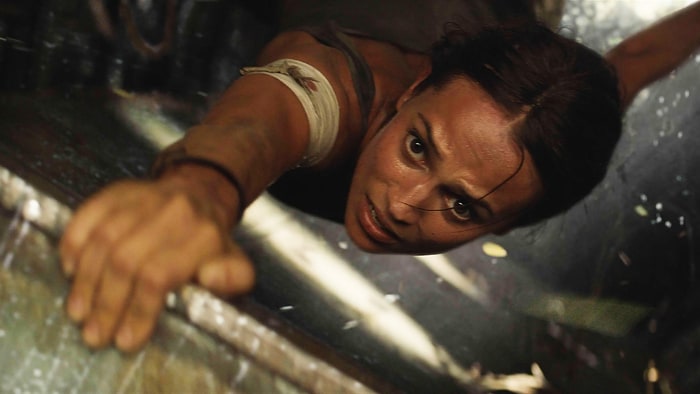
Once she’s stepped upon the island she meets the villain of the film, Mathias Vogel, an employee of the shapeless Trinity organization played with serviceable cruelty by Walton Goggins. From there the film goes about the usual tropes of any action adventure movie or video game, i.e. solving puzzles, sneaking past unnamed and heinous henchmen, encountering dizzying thrills, all in service of seeking the eponymous tomb. So that’s all well and good, but is the film successful in its execution of these well-worn adventure themed devices? I would say that it does. While this film never reaches the heights of Indiana Jones, it does enough to separate itself as a story all it’s own while maintaining a solid sense of momentum and adequate adventure thrills. Alicia Vikander was an excellent casting choice for this reboot, while the script never reaches for the wise-cracking snark and personality of her video game peer in Nathan Drake, she does a lot with what she’s given. You can feel her struggle and her purpose in seeking answers to her father’s mysterious end.

tomb-raider-review

This latest version of “Tomb Raider” gives a lot of potential for a solid string of sequels if the studio so chooses. There could be some polish done in the future, maybe learn what didn’t exactly work in this entry for example, and this could very well turn into quite an enjoyable series. Though the last five minutes of the film do go a bit over the top in their obvious hopes for another shot at the material. While the film lacks some magic in the writing and the plot points feel a bit familiar, it’s still good fun at the theater!


Final Score: three puzzles, one island, and a good deal of fun

film

Review: DeathWish (2018)

Written by Joe Carnahan and directed by Eli Roth, “Death Wish” is the 2018 remake of the Charles Bronson led 1974 crime/revenge movie. It’s also a heaping pile of poorly timed garbage. Have you ever seen a revenge movie? Generally speaking, the hero usually loses his family or loved ones-or is simply wronged in some form, and he then pursues vigilante justice after the legal system fails him. That’s this whole movie. Which, I could forgive if the film was either, A) comically over-the-top with it’s violence and tone, B) had something important to say- at all, or C) if the film wasn’t as rote, banal, and as bland as it turned out to be.

landscape-1501768395-screen-shot-2017-08-03-at-145208

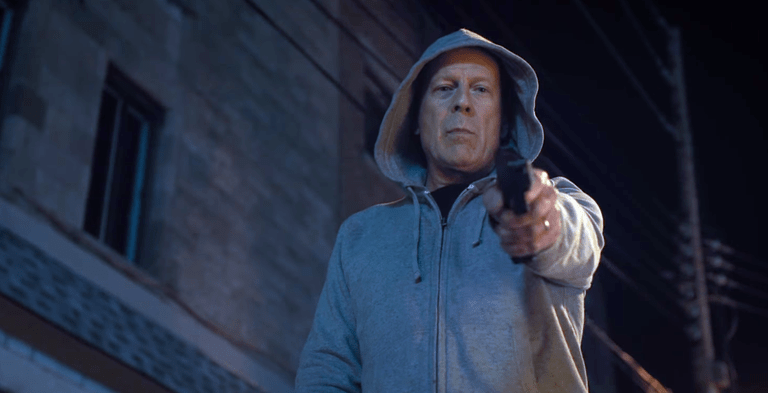
To be fair, going into this showing I had zero expectations. In fact the whole point of going to see this film with friends was to ‘go see a bad movie’ together. Whew, well by that metric, the film was a success. Which is a shame in all honesty, Bruce Willis used to be a Movie Star-with a capital M! Now he’s relegated to shoehorned and forced ‘action titles’ that rank among this film’s quality. The last ‘Die Hard’ was a travesty and the man’s been sleeping-walking through bad films ever since. The only hope I had going into this film was that Eli Roth, as a well known horror director, could bring a sort of tongue in cheek levity to the film’s untimely subject matter and make it comedically palatable. I was quite wrong with that hope.

death-wish-trailer-image-master768

If it had been tackled with any sort of imagination instead of the tired ‘been there, done that!’ filmmaking tactics that gave way to this film, there could have been something worthwhile there. In my opinion the most significant problem with the film was it’s lack of confidence. It felt as if there was a tug-of-war between wanting to craft a shoot ’em up gore fest grindhouse flick, and a serious gritty crime film with a glaze of nostalgia for those left wanting after the finale of ‘Breaking Bad’. Speaking of which, Dean Norris and Vincent D’Onofrio both make attempts within the margins of this script to elevate the films status- even if only for a moment- but they too fail in this effort. The material is weak, the direction was left wanting, the script was mind numbing, and Bruce Willis was dead-eyed from the opening scenes to the credits roll. Trust me, you can skip this one. In fact, if you’re looking for some so bad it’s good content I’ll leave a link below to an episode of ‘Best of the Worst’ from Red Letter Media on YouTube. In this particular episode they discuss the third ‘Death Wish’ with Charles Bronson, among other equally bad movies, which is far more entertaining than the current remake in theaters.

Final Score: 1 Wish… FOR DEATH(!)

film

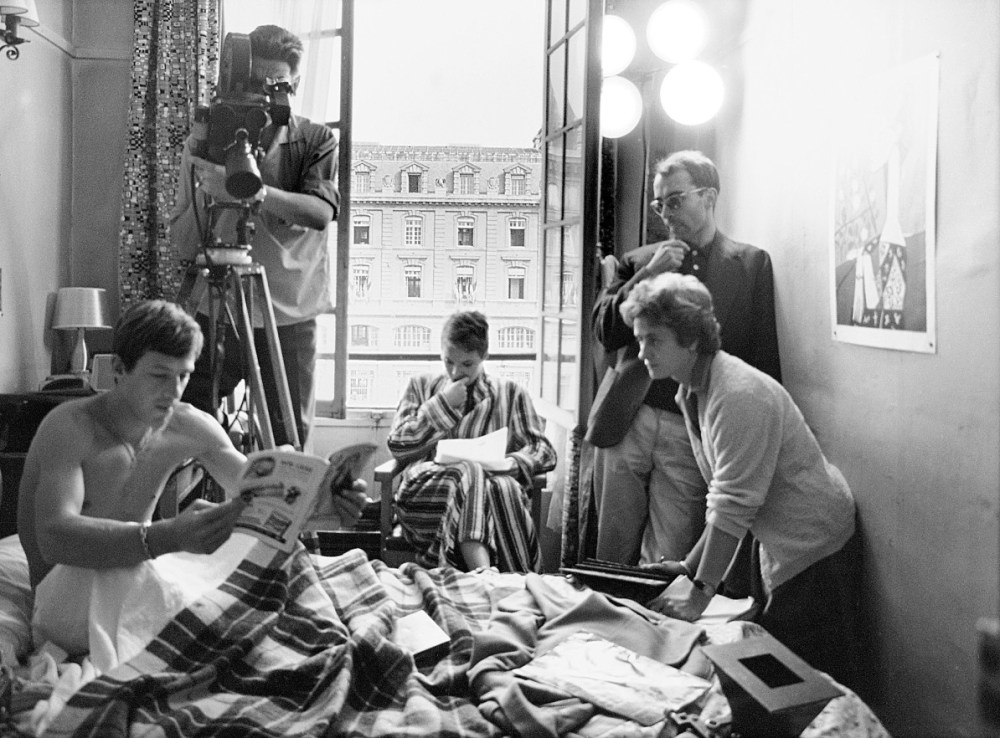
Old School Review: “Breathless” (1960)

Written by François Truffaut and directed by Jean-Luc Godard, “Breathless” is a classic French crime film that helped to form the New Wave style of films coming from French filmmakers at that time. The story centers on Michel Poiccard, (Jean-Paul Belmondo) a petty thief in Paris who frequently steals cars for joyrides and pickpockets cash from unsuspecting pedestrians. He reunites with an American girl, Patricia Franchini (Jean Seberg), who’s studying to become a journalist after he impulsively murders a police officer on one of his more casual grand theft autos in the countryside just outside of Paris. Most of the film is spent following these two in the streets of Paris, in cafes and hotels, almost always smoking while they discuss many aspects of life with whimsy through their opinions and fluttery definitions about everything from the opposite sexes to how one should drive while behind the wheel.

BREATHLESS-web2050

Now, admittedly, I wasn’t a gigantic fan of this film after giving it a watch, but I had to know what made it so renowned and gilded among cinephiles. Given the year the film was made I was surprised at the speed and abrupt use of jump-cuts in the film’s editing. However that didn’t seem enough to make it supposedly legendary, so I did some reading on the movie. The late 1950’s and early 1960’s in France were a rebellious era of filmmaking characterized by a coup of sorts against the established narrative form in French cinema. These new French filmmakers broke away from any sense of a studio system and shot their independent features on shoestring budgets, often without permission on locations, and usually focusing on characters that weren’t natural protagonists by the standard definitions. As for “Breathless” itself, filming took place anywhere between 15 minutes to 12 hours depending on what Godard had come up with that day. They filmed in Paris in stores and cafes mostly without being granted access in order to secure the spontaneous feel in the film that Godard was going for. There was a considerable amount of improvisation and Godard reportedly kept his journal of dialogue close and only shared what he believed to be necessary.

itemsfs_6194

In today’s world, the film may not seem all that special, but it did a lot to give independent filmmakers an origin, somebody had to be the first to get their shots without the permission from the gatekeepers, right? Indie film cred aside, the film may harbor some resentment from modern audiences for its characters’ opinions. I suspect that many American audiences today could be triggered by the subjects that the characters discuss and how they go about discussing them. To be fair, the perspective is from an entirely different culture and from a generation and a half ago. As we’re still very much embroiled in the #MeToo movement here in America, everything is still tender. Simply talking about sexuality and the roles of women and men in life and the workplace can be a careful tap-dance of attempting to recognize and listen to every person’s point of view, let alone expressing the viewpoints that this film does. The French culture approaches these topics in a fairly different manner, but especially so in the 1960’s, in a post war Paris, and given that the New Wave movement was focused on morally ambiguous characters to stand aside from the greater film structures of the time- so there’s a lot to dissect given all of the variables in play.

A-Bout-de-Souffle-bts

The film does have it’s place in celluloid history, but I wouldn’t say that its the most entertaining film out there. Which is fine, not every story works for every audience. I’d have to see more from the New Wave directors before making a final opinion on the select era and group of filmmakers’ work, but the making of this film was more interesting to me than the final product. Surprised by the international praise of the film, Jean-Luc Godard doesn’t regret making the film because they defied the power structures of the filmmaking process and he was glad that they had thrown all that aside and opened the process up. In the end, I’m glad I gave it a watch, another film can be checked off my list and my perspective widens because of it.

Final Score: 100 cigarettes and 50 cups of coffee

film

Review: Black Panther

Written by Joe Robert Cole and Ryan Coogler and directed by Coogler, “Black Panther” is the 18th movie in Marvel Studios’ sprawling universe of superheroics and T’Challa (Chadwick Boseman) takes center stage as the titular Black Panther whilst being surrounded by an impeccable cast. This weekend marks a significant debut for representation not only in the Marvel Studios Universe, but for superhero films in general. We’ve had previous superhero movies starring African American leads like Wesley Snipes in “Blade” and its two sequels. There was also “Steel” starring Shaq, “Hancock” starring Will Smith, and the oft derided “Catwoman” starring Halle Berry amongst a few others. This is a different film though, one that doesn’t tiptoe around various injustices, but rather it makes those questions of morality and the adverse effects of colonialism the beating heart of conflict in the film. This film also doesn’t just recognize Africa, the film took great efforts to ingrain the fictional country of Wakanda into the real world setting of Northeastern Africa.

4bccc0b9135a0ae94850b54c83707820fe3fe626

Which brings me to what I believe is the greatest asset of the film, the incredibly effective world building that went into realizing Wakanda. The filmmakers’ crafted Wakanda as a place that felt as if it had existed untouched and unfiltered by time, hidden by superior technology granted by a chance vibranium meteorite crashing into Wakanda ages ago. Sprawling cityscapes depict a fascinating version of Afrofuturism unleashed in the bustling merchants district alongside the wide and open plains under the watchful eye of W’Kabi (Daniel Kaluuya) and the border tribe, there’s even a mountainous wintry region ruled by the Jabari tribe who are staunchly against the rule of T’Challa, chief among them being their leader M’Baku (Winston Duke). Along with the River tribes and the vast and intricate mining facilities, Wakanda feels like an interconnected country with a long history and that’s a feat that the filmmakers should be praised for accomplishing so efficiently.

best-black-panther-movie-wallpaper-2017

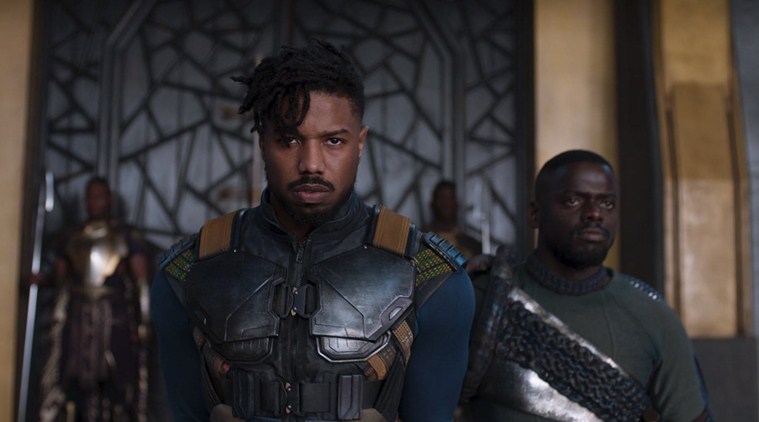
Another way that “Black Panther” stands out from the crowd is in its sense of community. There’s a balance between tradition and futurism that affects all those who live in Wakanda, but especially for those who lead among the isolationist nation. It is here between the pendulum of modernity and tradition that T’Challa has his conflicts within the film, but it has a rippling effect on all of the characters in some form. Okoye (Danai Gurira) the general of the royal guard, the Dora Milaje, and Shuri (Letitia Wright), T’Challa’s brilliant younger sister and head of the technological prowess of Wakanda, both perfectly exemplify this bridge between conflicting ideologies. Okoye is bound to a strict interpretation of tradition within the Dora Milaje-even after unspeakable acts (I’ll try to keep spoilers at bay) have taken place, she must fufill her duties to the throne. Whereas Shuri is bound to the future inherent in Wakanda’s tech, she is always looking to the next update or upgrade. Though Lupita Nyong’o’s  Nakia may be more of a divergent spirit in this sense. Nakia’s background in espionage and her former relationship with T’Challa provide her with a character that’s willing to break from tradition when its logical to do so. It is this divide that drove T’Chaka’s, (John Kani) brother N’Jobu (Sterling K. Brown) towards his revolutionary tendencies and the crux of the film’s conflict; should Wakanda open itself up to world and aid those worse off with their great technological feats? Or should they stay unconquered and safely hidden from the world? The film deftly handles the question of how the previous generations handled the world, in all it’s beauty and tragedy, and whether or not they were right by their actions.. or damned by them? Michael B. Jordan’s Killmonger is the literal formation of these past demons come to haunt T’Challa, the new King and Black Panther of Wakanda.

black-panther-michael-b-jordan-killmonger-759


Perhaps the single greatest part of this film is its villain in Eric Killmonger. Motivated by the death of his father as a child and abandoned in America, Killmonger pursued his interests with a lethal tenacity and never let a soul intercept his goal of invading Wakanda. Like his father before him Killmonger is a violent revolutionary in the spirit of Magneto, seeking to liberate those who were besieged by history’s injustices. Michael B. Jordan excelled in crafting an adversary whose intentions never wavered, and more importantly, he made Killmonger a layered individual with purpose behind his eyes. His goals, while extreme, can be understood. However since he’s a violent and careless individual we naturally side with T’Challa’s approach, but Eric’s a tragic character whose anger comes from a very real place.

null

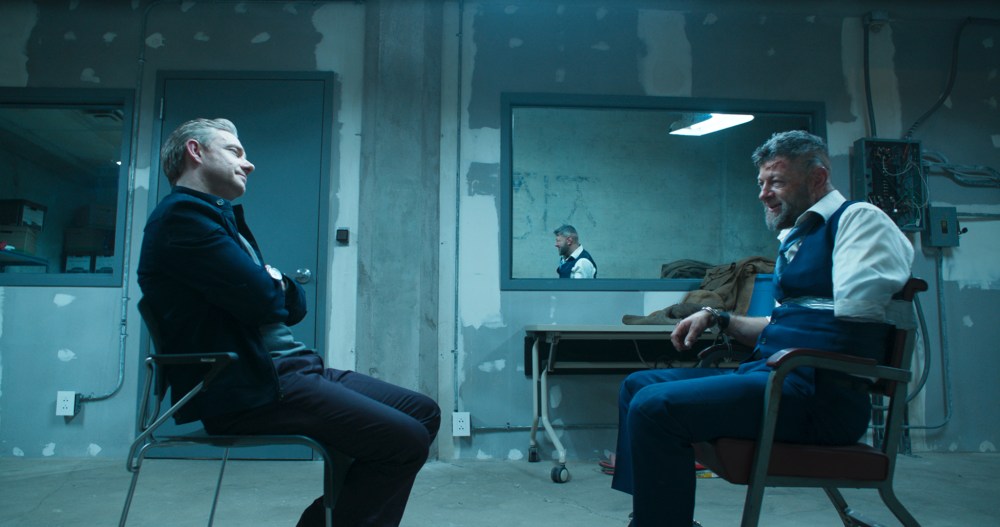
I have to say that I quite enjoyed the film overall. The film is the first since “Doctor Strange” in the MCU to have so few connections to the wider MCU canon and that’s a benefit to this story. There was no need for a Stark reference or even a Captain America cameo for this film to work within the structures of the MCU, it had enough to juggle without needless and contrived studio mandated team ups (though I do love it when it works well in other movies!). As for the two white guys in the movie, I really enjoyed Andy Serkis getting to work without being covered from head to toe in digital garb or practical effects and make-up, his Ulysses Klaue (sounds like Klaw) was a scene chewing performance well worth the time spent with him. The other melanin deficient character was Martin Freeman’s C.I.A. agent Everett Ross revived from his “Civil War” role and plopped into this film without feeling misplaced or ill advised. The film as a whole was a great time at the theater and I look forward to seeing how these events change the MCU from here out!

Final Score: 1 Prince and 1 Pauper (Seriously, just go see it- you don’t need my arbitrary and baseless scores to know whether or not you’re interested in this film)